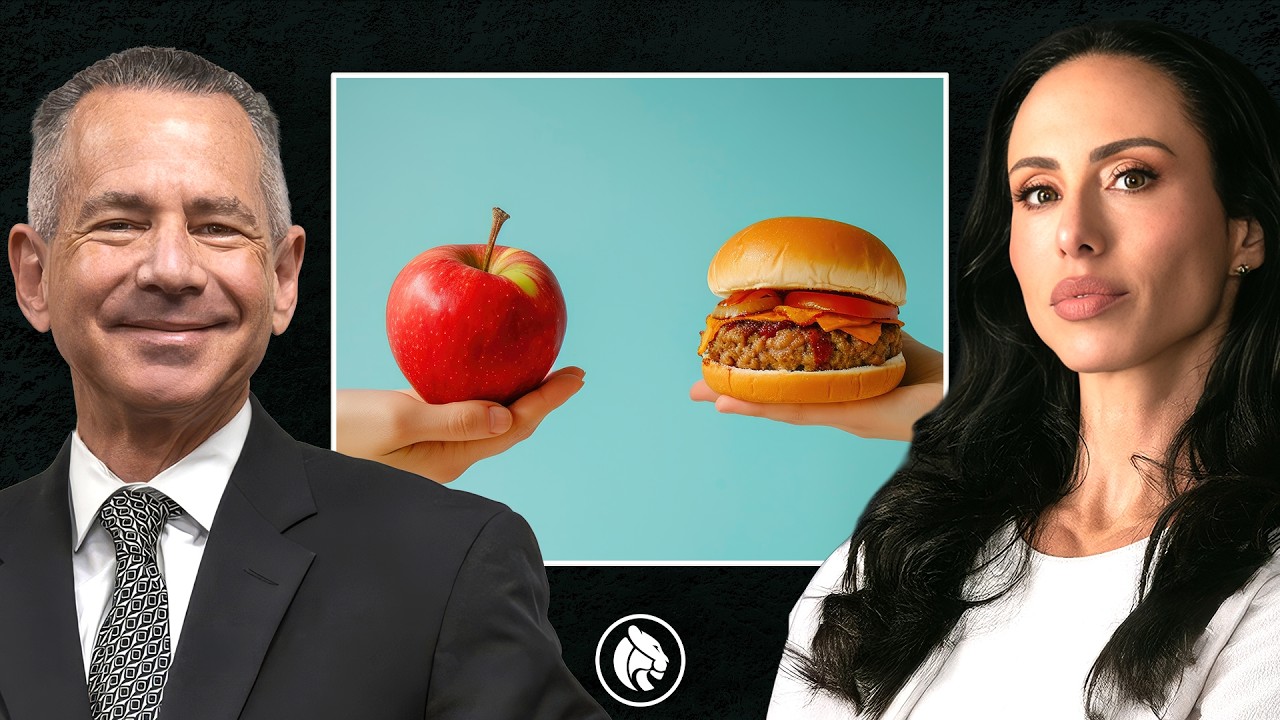
- Dr. David Allison’s critique of ultra-processed food research and its implications.
- The definition and classification of ultra-processed foods.
- Misconceptions in existing ultra-processed food studies and their methodological flaws.
- Impacts of ultra-processed foods on health and metabolic disorders.
- Potential pathways for future research and understanding.
Dr. David Allison has taken a critical stance on how scientists interpret and analyze research focused on ultra-processed foods. His insights prompt a deeper examination of methodological flaws in existing studies, suggesting that many researchers may overlook significant variables in their assessments. At the core of his argument lies the assertion that the categories used to classify foods can skew data interpretation.
Ultra-processed foods are characterized by their industrial production, containing multiple ingredients often not found in a typical kitchen. These products frequently contain additives such as colorants, flavor enhancers, and preservatives that are not traditionally part of home cooking. The NOVA classification system categorizes foods into four groups based on the extent of processing. Foods in the ultra-processed category typically include snacks, sugary beverages, instant noodles, and ready-to-eat meals. Misunderstanding or misclassifying these foods can lead to misleading conclusions about their health effects.
One of the significant misconceptions in ultra-processed food research is the failure to account for confounding factors. Many studies focusing on these foods link their consumption with various health issues, including obesity and metabolic syndrome. However, underlying variables such as socioeconomic status, overall dietary patterns, and lifestyle factors often remain unexamined. Allison emphasizes that without controlling for these variables, results can present a skewed picture of the true risks associated with ultra-processed food consumption. Instead of isolating ultra-processed foods as the main culprit, a broader examination might reveal that processed foods are often consumed within lifestyles that also promote poor health outcomes.
Moreover, the assumption that ultra-processed foods are inherently unhealthy may oversimplify the complex relationship between diet and health. Some individuals may consume high amounts of ultra-processed foods but maintain good health metrics, while others may derive negative health effects from lesser quantities due to unique genetic or metabolic backgrounds. The blanket characterization of ultra-processed foods as detrimental overlooks these nuances. Here, Allison’s argument encourages a more individualized approach to dietary recommendations, moving away from one-size-fits-all findings.
The impacts of ultra-processed foods extend beyond merely weight gain. Epidemiological studies show links to metabolic disorders such as type 2 diabetes and cardiovascular diseases. These associations arise from several factors. Ultra-processed foods can be high in added sugars, unhealthy fats, and sodium, contributing to inflammation and insulin resistance. Chronic inflammation is increasingly recognized as a pathway to metabolic diseases. This translates into a growing need for rigorous investigations that not only assess food type but also the quality of diets and lifestyles that influence health trajectories.
Currently, the focus on ultra-processed food research lags in establishing causality due to the reliance on observational studies. Observational studies can uncover correlations but often do not provide definitive evidence of cause and effect. Randomized controlled trials (RCTs), where participants are randomly allocated to different dietary interventions, offer a more robust design to test hypotheses. However, conducting RCTs in dietary assessments poses logistical challenges, particularly with adherence and lifestyle changes that accompany dietary modifications over time. Despite these hurdles, moving toward more controlled studies could clarify the health implications of consuming ultra-processed foods.
Another area where scientists often miss the mark is in the perception of what constitutes healthful eating. The glorification of whole and minimally processed foods overshadows complex dietary narratives. People feel pressured to conform to established ideologies surrounding "clean" eating. This pathway sometimes leads to feelings of guilt when consuming ultra-processed foods. It creates an environment where individuals may view occasional indulgences as failures instead of part of a balanced lifestyle. Allison’s insights encourage a nuanced perspective, advocating for a more inclusive dialogue about dietary habits that embodies moderation rather than rigidity.
Additionally, understanding the socio-economic context is crucial for interpreting the prevalence of ultra-processed foods. In many regions, these foods are more accessible and often cheaper than whole foods. Affordability can heavily influence dietary choices, especially for lower-income populations. It raises ethical questions about food systems and policies designed to promote health. Researchers must delve into these socio-economic factors to create a comprehensive narrative around diet and health.
Future research must adopt a multidimensional strategy. First, interdisciplinary collaboration could enhance the understanding of the effects of ultra-processed foods on health by integrating insights from nutrition science, sociology, and public health. Second, it is imperative to establish more refined definitions and classifications for food types. Researchers need a consensus on categorizing food that reflects the diversity of dietary consumption.
Efforts to improve public health should include education around food choices that focus on balance and mindful consumption rather than stigmatization of certain food categories. Programs designed with behavioral science principles could equip individuals with skills to make healthier choices in a complex food environment. Such strategies foster improved dietary behavior and promote positive relationships with food.
Importantly, the narrative around ultra-processed foods must shift from deterministic views to more dynamic, personalized considerations. Individual variability in genetics, metabolism, and health status can significantly influence the impact of diet on health. Future studies that account for these factors can contribute to more effective public health recommendations.
Ultimately, the discourse surrounding ultra-processed food research must evolve. Dr. David Allison’s critique opens up avenues for reconsidering methodologies, addressing socioeconomic factors, and promoting balanced dietary perspectives. By refining research practices and encouraging realistic food policies, a more comprehensive understanding of diet and its connection to health can emerge. This actionable pathway can lead to improved health outcomes and well-being on an individual and population level.
*****
Source Description
You’ve heard it everywhere: stay away from ultra-processed foods. But what does that actually mean, and is the science real? Dr. David Allison, director of the USDA Children’s Nutrition Research Center at Baylor College of Medicine, unpacks why “don’t eat ultra-processed foods” might help people make better choices without that label actually explaining why those foods are a problem.
Want ad-free episodes? Subscribe to Forever Strong Insider: https://bit.ly/4u5VSRe
📱Connect with Dr. David Allison
LinkedIn: https://bit.ly/3O6quC2
🙌Thank you to our sponsors:
💪OneSkin – Get 15% off at https://bit.ly/3Q8vSFi with code DRLYON
🍳Timeline – Get 20% off a Mitopure subscription at https://bit.ly/4uYiu6C
😁Carol Bike – Visit https://bit.ly/4v7XsTp and use code LYON for $100 off your CAROL Bike
📺Watch the “Dr. Gabrielle Lyon Show” every Tuesday at 9AM EST:
YouTube: https://bit.ly/4boCFC3
Spotify: https://bit.ly/4cWTbLG
📱Connect with Dr. Gabrielle Lyon:
Instagram: https://bit.ly/4uk9adc
TikTok: https://bit.ly/3OFK3kJ
X.com: https://bit.ly/4l3YlaX
Facebook: https://bit.ly/3MBrJso
LinkedIn: https://bit.ly/3N1nrdL
Website: https://bit.ly/3NdV2kT
Books: https://bit.ly/4r6ugZK
Newsletter: https://bit.ly/402QCAj
‼️Disclaimer: The Dr. Gabrielle Lyon Podcast and YouTube are for general information purposes only and do not constitute the practice of medicine, nursing, or other professional health care services, including the giving of medical advice, and no doctor/patient relationship is formed. The use of information on this podcast, YouTube, or materials linked from this podcast or YouTube is at the user’s own risk. The content of this podcast is not intended to be a substitute for professional medical advice, diagnosis, or treatment. Users should not disregard or delay in obtaining medical advice for any medical condition they may have and should seek the assistance of their health care professional for any such conditions.
This episode includes paid sponsorships.
