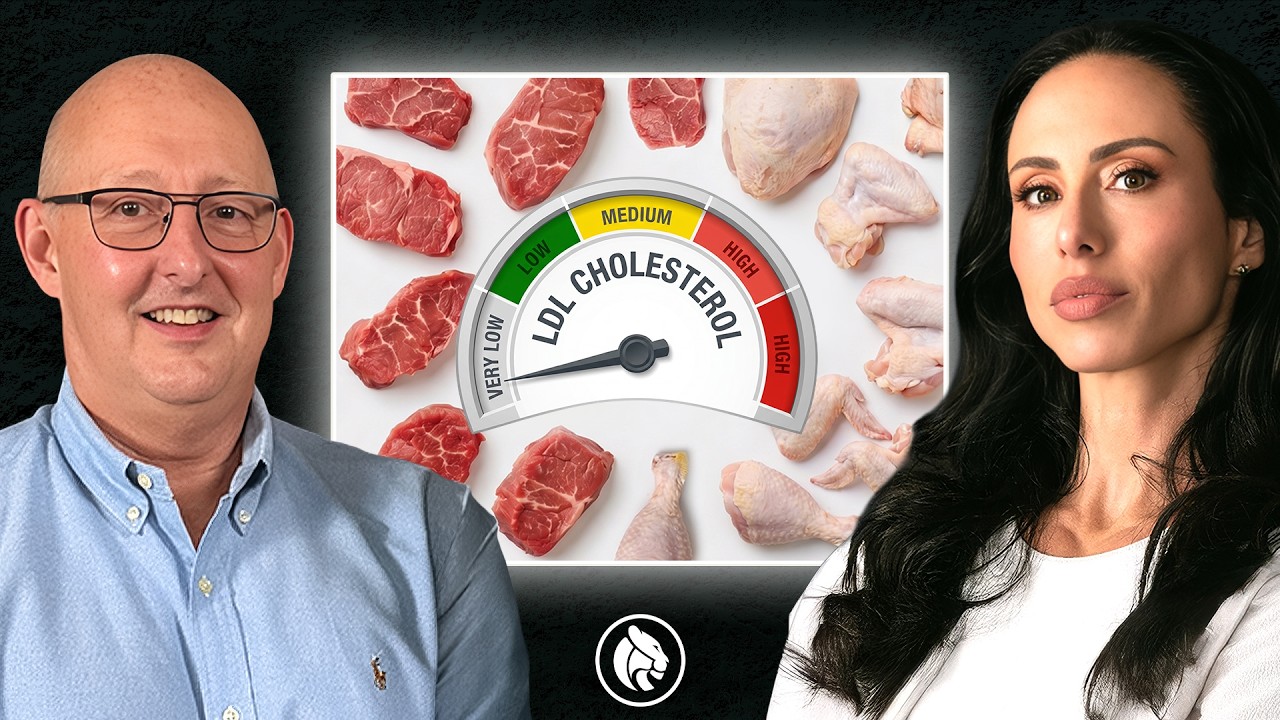
- The impact of red meat on LDL cholesterol levels.
- Comparison of beef and chicken in terms of nutritional content.
- The role saturated fat plays in dietary choices.
- Insights into metabolic health and insulin sensitivity.
- Current guidelines and recommendations for meat consumption.
Red meat, particularly beef, has long been scrutinized for its effect on health markers like LDL cholesterol. High levels of LDL cholesterol, often referred to as "bad" cholesterol, are associated with increased risks of cardiovascular issues. Understanding how different meats, such as beef and chicken, influence LDL cholesterol levels can help in making informed dietary choices.
The nutrition profile of beef and chicken differs significantly. Beef, being a type of red meat, typically contains higher amounts of saturated fat compared to chicken, which is classified as white meat. This distinction is crucial, as saturated fat intake is directly linked to LDL cholesterol levels. While not all saturated fats have the same impact, heavy consumption may raise LDL cholesterol levels, prompting dietary guidelines to recommend limiting intake of red meat.
Chicken, particularly lean varieties like skinless chicken breast, offers an alternative that is generally considered heart-healthier. It has a lower saturated fat content and provides a rich source of protein without raising LDL cholesterol as significantly as red meats. The culinary appeal of chicken is furthered by its versatility in various cuisines and meal types. For those mindful of cholesterol, opting for chicken over beef might be more beneficial.
The connection between saturated fat consumption and metabolic health is an ongoing topic of research. Many studies indicate that diets high in saturated fats can lead to insulin resistance, a state where cells do not respond effectively to insulin. This can be a precursor to metabolic diseases and can adversely affect overall health. By contrast, diets lower in saturated fats and higher in healthier fats, such as omega-3s found in fish or unsaturated fats in nuts and seeds, can support metabolic stability.
Guidance around meat consumption often stems from large-scale dietary studies and health organizations. The American Heart Association and other health bodies suggest limiting red meat intake to reduce cardiovascular risks. The focus is not only on the type of meat consumed but also on preparing methods. Grilling or baking chicken, for instance, avoids added fats that can contribute to higher cholesterol levels, while consuming beef in moderation, particularly lean cuts and using healthy cooking techniques, can help mitigate risks.
Moving beyond straightforward meat comparisons, it is essential to consider fiber consumption, which is often overlooked in discussions about meat. High-fiber diets rich in fruits, vegetables, and whole grains can help lower LDL cholesterol levels and promote a healthier bloodstream. A diet that is heavily meat-centric may lack the necessary fiber, which plays an essential role in heart health. Including a range of food groups can give the body dietary diversity and beneficial components that are crucial for maintaining low LDL cholesterol levels.
Research shows that diet is one aspect of a larger picture encompassing a person’s lifestyle. Factors such as physical activity, stress management, and sleep can also significantly influence cholesterol levels and overall metabolic health. Therefore, while dietary choices like beef or chicken matter, they exist within a broader health context. Engaging in regular physical activity can improve insulin sensitivity, thereby helping to stabilize cholesterol levels, regardless of dietary habits.
Understanding these relationships empowers individuals to make dietary modifications that align with their health goals. Awareness of the differences between beef and chicken helps consumers make informed choices. It is also vital to stay updated on evolving dietary guidelines and scientific research, as new evidence continuously emerges, shaping our understanding of nutrition and health.
It should be noted that while the focus has been on beef versus chicken, other factors play an equally important role in health. The frequency and portion size of meat consumption also matter. Limiting red meat servings while incorporating various lean proteins can provide a balanced approach. Choosing plant-based proteins or occasional inclusion of fish, with its favorable omega-3 fatty acids, complements efforts to manage LDL cholesterol effectively.
Another important aspect to consider is how the cooking method affects the health attributes of meat. Grilling, baking, steaming, or sautéing is preferable to frying or using heavy sauces, as these methods can add unnecessary fats to any meal. Lean cuts of beef and skinless chicken can be part of a heart-healthy diet if prepared with care.
In today’s health-conscious society, many are motivated to alter their diets based on scientifically-backed recommendations. However, it’s crucial that any dietary change is sustainable and fits an individual’s lifestyle. Trimming down red meat intake or substituting chicken not only aids in cholesterol management but also creates opportunities to explore diverse world cuisines through plant-based options or leaner meats.
Eating in moderation also conveys a more wholesome approach to diet. Instead of completely eliminating a certain type of food, learning how to integrate different proteins and balancing one’s plate can yield better long-term health outcomes. Many individuals find that mindful eating, recognizing their nutritional needs, and adjusting portion sizes contribute to overall wellness.
While studies provide insights into topics like beef and chicken’s role in cholesterol levels, applying this knowledge is vital. Individual reactions to varying meat consumption can differ greatly based on genetics, pre-existing health conditions, and lifestyle habits, which highlights the importance of personalization in dietary approaches.
Keeping abreast of new research findings will support informed dietary choices, allowing one to adapt their nutrition according to emerging knowledge and personal health objectives. For those interested in monitoring their cholesterol levels, regular health check-ups with healthcare providers can be instrumental. They can help provide a comprehensive analysis that considers personal diet, activity level, and overall health status.
Investigating the correlation between specific dietary habits and health outcomes is an evolving field. As new links between meats like beef and chicken and cholesterol levels continue to surface, recommendations may shift. Adapting to evidence-based guidance helps individuals navigate their eating habits effectively.
The conversation surrounding meats and health, particularly red meat’s impact on LDL cholesterol, is nuanced and multifaceted. Understanding these implications enables consumers to make choices that align with their health aspirations, and the path to achieving that often involves collaboration with healthcare professionals and informed dietary practices.
Considering the intricate balance between enjoyment of various foods and health metrics is crucial. Individuals can savor meals featuring beef or chicken while taking conscious steps to mitigate potential health risks, emphasizing the importance of a varied and balanced diet for overall well-being.
*****
Source Description
Most people assume red meat will spike their LDL cholesterol more than chicken. But former National Lipid Association President Dr. Kevin Maki recently ran the study and the result was so unexpected he triple-checked the numbers.
In this episode, Dr. Gabrielle Lyon sits down with Dr. Kevin Maki, former President of the National Lipid Association and co-editor-in-chief of the Journal of Clinical Lipidology, to discuss:
The FLASH-GLIC framework – the nine risk factors lipidologists actually use to assess heart disease, and why LDL is just one of them
Why the balance of cholesterol-raising and cholesterol-lowering factors in the diet matters more than total saturated fat alone
What a beef vs. chicken feeding study revealed about red meat and LDL and what stearic acid has to do with the surprising result
By the end, you’ll know how to think about heart risk beyond a single cholesterol number, and why your dietary fat decisions deserve more nuance than the headlines give them.
Thank you to our sponsors:
OneSkin – Get 15% off at https://bit.ly/4tZnOpk with code DRLYON
BodyHealth – Use the code LYON20 to get 20% off your first order https://bit.ly/48SJ7AC
Amp – Visit https://bit.ly/3RcmqBz to get your AI-powered at-home gym for smarter, personalized training.
Explore More from Dr. Gabrielle Lyon
Premium Podcast Subscription: Ad-free episodes, key takeaway summaries, exclusive Q&A, and behind-the-scenes content https://foreverstrong.supercast.com
Weekly newsletter: Recipes, podcast updates, and practical weekly insights https://drgabriellelyon.com/sign-up/
Apply to become a patient: Personalized care with Dr. Lyon’s clinical team https://drgabriellelyon.com/new-patient-inquiry/
Find Dr. Kevin Maki at:
Midwest Biomedical Research: https://www.mbclinicalresearch.com/
LinkedIn: / kevin-c-maki-phd-497ba34
Connect with Dr. Gabrielle Lyon:
Instagram: https://www.instagram.com/drgabriellelyon/
TikTok: @drgabriellelyon
X (Twitter): https://x.com/drgabriellelyon
Facebook: https://www.facebook.com/doctorgabriellelyon
Chapters
00:00 – LDL above 130 and what comes next
00:08 – The FLASH-GLIC risk factor framework
01:30 – Risk modifiers, Lp(a), and coronary calcium
02:11 – The balance of fatty acids in the diet
02:41 – A healthy dietary pattern and the four white poisons
04:03 – Many dietary patterns can be healthy
04:37 – Mediterranean diet evidence and cardiovascular outcomes
05:30 – The cholesterol content of red meat vs. its fat
06:00 – The beef vs. chicken feeding study
07:00 – The LDL result that was triple-checked
If you found this episode valuable, share it with someone who would benefit from it.
Disclaimers: This episode includes paid sponsorships.
The Dr. Gabrielle Lyon Podcast and YouTube are for general information purposes only and do not constitute the practice of medicine, nursing, or other professional health care services, including the giving of medical advice, and no doctor/patient relationship is formed. The use of information on this podcast, YouTube, or materials linked from this podcast or YouTube is at the user’s own risk. The content of this podcast is not intended to be a substitute for professional medical advice, diagnosis, or treatment. Users should not disregard or delay in obtaining medical advice for any medical condition they may have and should seek the assistance of their health care professional for any such conditions.
Keywords:
LDL cholesterol, red meat cholesterol, saturated fat, beef vs chicken, heart disease risk, cardiovascular risk factors, lower LDL cholesterol, FLASH GLIC, lipid panel explained, what raises LDL, cholesterol study, is red meat bad, saturated fat and cholesterol, dietary fat balance, Mediterranean diet heart, how to lower heart risk, stearic acid LDL, healthy dietary patterns, Dr Gabrielle Lyon, Kevin Maki lipidologist, red meat and heart disease, beef LDL study, cholesterol explained 2026, why LDL is high, cardiovascular risk assessment