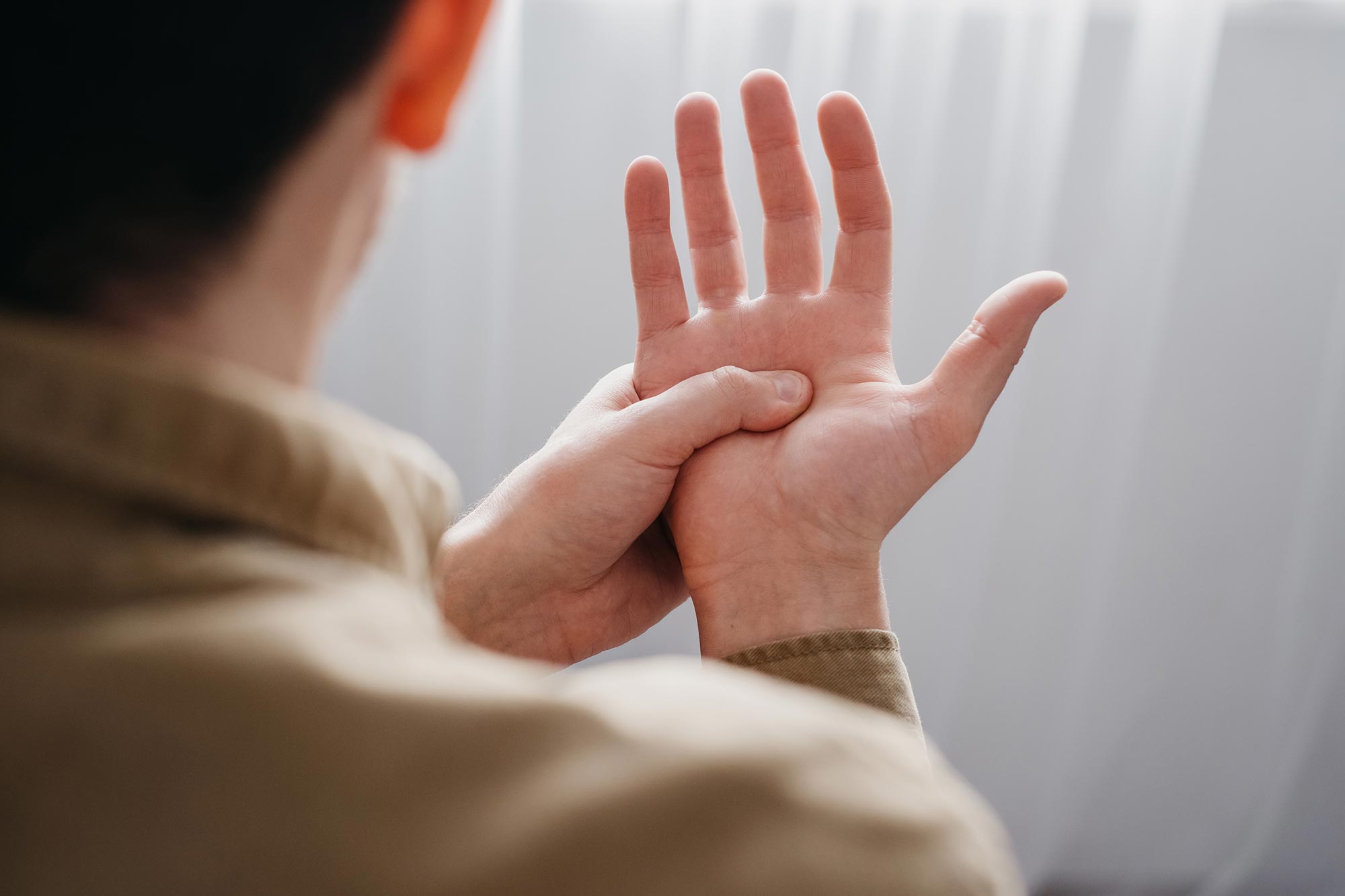
Summary of Scientists Say Exercise May Be the Closest Thing to a Parkinson’s “Medicine” Yet:
Research indicates that regular aerobic exercise may effectively slow the progression of Parkinson’s disease by reducing brain inflammation and enhancing brain health. Merrill Landers, an expert in physical therapy, emphasizes that exercise promotes the production of brain-derived neurotrophic factor (BDNF), which helps neurons survive and reduces inflammation. As there is currently no cure for Parkinson’s, exercise is considered a promising strategy.
The study is conducted at UNLV, where patients with Parkinson’s engage in various aerobic activities. Sustained moderate-intensity exercise (60-75% of maximum heart rate) is recommended to maximize benefits. Alongside aerobic training, strength training and activities like boxing may also help improve motor skills and balance.
Parkinson’s typically manifests between ages 55 and 65, with early signs like tremors and reduced sense of smell. Symptoms can emerge well before typical movement issues, and early interventions are crucial. The disease impacts over 1.1 million Americans, making it the fastest-growing neurodegenerative disorder.
*****
Summary Bullet Points
- Aerobic exercise may serve as a beneficial strategy to slow the progression of Parkinson’s disease by reducing brain inflammation and increasing protective brain chemicals.
- Research highlights the importance of intensity and duration in exercise routines, emphasizing moderate to vigorous aerobic activities for maximum benefits.
- Strength training, balance challenges, and activities like boxing also play a significant role in managing Parkinson’s symptoms.
- Early detection of Parkinson’s through awareness of initial symptoms can lead to more effective management of the disease.
- Parkinson’s disease is becoming increasingly prevalent, with shifting demographics prompting further research and advocacy for holistic treatment approaches.
Exercise: A Powerful Ally Against Parkinson’s Disease
Imagine understanding that something as simple as movement can make a significant impact on your health. It’s a thought that many of us acknowledge in passing, yet for individuals battling Parkinson’s disease, it can become a lifeline. Scientists now suggest that exercise might be one of the most effective ways to mitigate the progression of this complex neurodegenerative disorder.
The Science Behind the Movement
Parkinson’s disease, often diagnosed between ages 55 and 65, is notorious for its spectrum of motor and non-motor symptoms, from tremors and slowed movement to cognitive changes and disrupted sleep patterns. As we navigate through life, understanding this condition facilitates the path to greater awareness and improved health.
Dr. Merrill Landers, interim dean for UNLV’s School of Integrated Health Sciences, is delving into how aerobic exercise may genuinely function as a “medicine.” According to Landers, aerobic exercise increases levels of brain-derived neurotrophic factor (BDNF), a protein crucial for the survival and growth of neurons. In essence, “exercise is like fertilizer for the brain,” creating a healthier environment for brain cells.
What’s particularly exciting is that this protein also helps to reduce inflammation throughout the body, which can be a significant factor in the progression of Parkinson’s. Research indicates that exercise can serve as a buffer, lowering inflammation levels and creating a higher baseline of brain health.
Laying the Groundwork: Understanding Inflammation
Inflammation plays a dual role—it can be beneficial as a part of the immune defense. However, when inflammation exceeds the norm, it can harm healthy tissue and accelerate neuron death. So, how does exercise fit into this picture?
By raising your heart rate and engaging in sustained aerobic activities, you can amplify the levels of BDNF, thereby reducing inflammation. This insight opens doors to a more proactive approach for those diagnosed with Parkinson’s.
Finding the Right Rhythm: Intensity Matters
Not all exercise is created equal. The nuances of intensity and duration are crucial when it comes to maximizing benefits. According to Landers, the sweet spot lies within a moderate yet challenging intensity.
What does this mean in simple terms? You should be working hard enough to carry on a conversation in short sentences. So, whether you prefer walking, cycling, dancing, or other aerobic options, aiming for about 60% to 75% of your maximum heart rate will yield the best results. The idea is to sustain this intensity for as long as you can—definitely not a time for half-measures.
A Multifaceted Approach: Beyond Aerobics
While aerobic exercise is a cornerstone in managing Parkinson’s symptoms, it’s important to adopt a holistic approach. Strength training and balance exercises are equally vital. Imagine boxing—yes, boxing! It’s one of the most engaging and multifaceted forms of exercise that challenges coordination and focus, all while promoting cardiovascular health.
Brach Poston, a professor of kinesiology and nutrition sciences, explores how these different forms of exercise impact motor skills and overall quality of life for those diagnosed with Parkinson’s. Boxing sessions can be invigorating while instinctively pushing participants to remain agile. The complex movements involved help to restore lost coordination while fostering a sense of empowerment.
The Power of Early Detection
Knowledge and awareness can be a game-changer. Several early warning signs can manifest years prior to the recognizable motor symptoms associated with Parkinson’s.
For instance, subtle changes such as fatigue, reduced sense of smell, constipation, and even sleep disturbances can serve as indicators. Discovering these symptoms early can prompt a more effective management plan, potentially slowing the progression of the disease.
Michael J. Fox has been an advocate for awareness ever since revealing his diagnosis at the young age of 29. His efforts have not only brought attention to Parkinson’s disease but have also spurred considerable investment in research.
The Statistics Speak
The numbers related to Parkinson’s disease are striking. Although it primarily affects around 1% of adults over the age of 60, its rapid growth makes it one of the fastest-growing neurodegenerative disorders in the United States. With over a million Americans navigating this condition, there’s an urgent need to foster understanding, support, and research initiatives.
Moreover, the early-onset variant affects about 10% to 20% of patients, leading to long-lasting complications that can challenge the daily lives of those diagnosed. The journey through Parkinson’s can be daunting, but awareness and a proactive approach via exercise can equip individuals to confront the challenges head-on.
Putting It All Together: A Call to Action
So, where do we go from here? Everyone can take powerful steps to support brain health, whether you or someone you love is on the Parkinson’s journey. If you’re looking to incorporate exercise into your routine, consider these strategies:
-
Start Small: If you’re new to exercise, initiate your journey with manageable walks or low-impact workouts, gradually increasing the intensity as you build strength and confidence.
-
Stay Consistent: Aim for regularity. Even short periods of activity interspersed throughout your day can accumulate into significant benefits.
-
Mix It Up: Incorporate a variety of exercises. Mix aerobic activities with strength training and flexibility exercises, catering to your preferences and abilities.
-
Challenge Yourself: Engage in activities that require balance or coordination—like dancing or even martial arts—to tap into those cognitive and motor skills that Parkinson’s targets.
- Get Support: Connecting with others who have similar challenges can provide not only motivation but also emotional support. Whether through local classes or online communities, you’re not alone in this journey.
The Takeaway
Exercise, particularly aerobic activity, emerges as a beacon of hope for those navigating the complexities of Parkinson’s disease. It goes beyond merely maintaining physical fitness; it has the potential to change lives by slowing the disease’s progression and enhancing overall well-being.
As research continues to evolve, so too will our understanding of how to effectively leverage movement to combat this formidable foe. Let’s embrace this knowledge, motivate ourselves to take that first step, and keep moving forward—together.
The more we understand how exercise can empower us against Parkinson’s, the closer we come to transforming our lives, one step (or punch) at a time!