- The role of saturated fat in human health and its association with cardiovascular diseases.
- Understanding the importance of omega-3 fatty acids and their impact on total mortality.
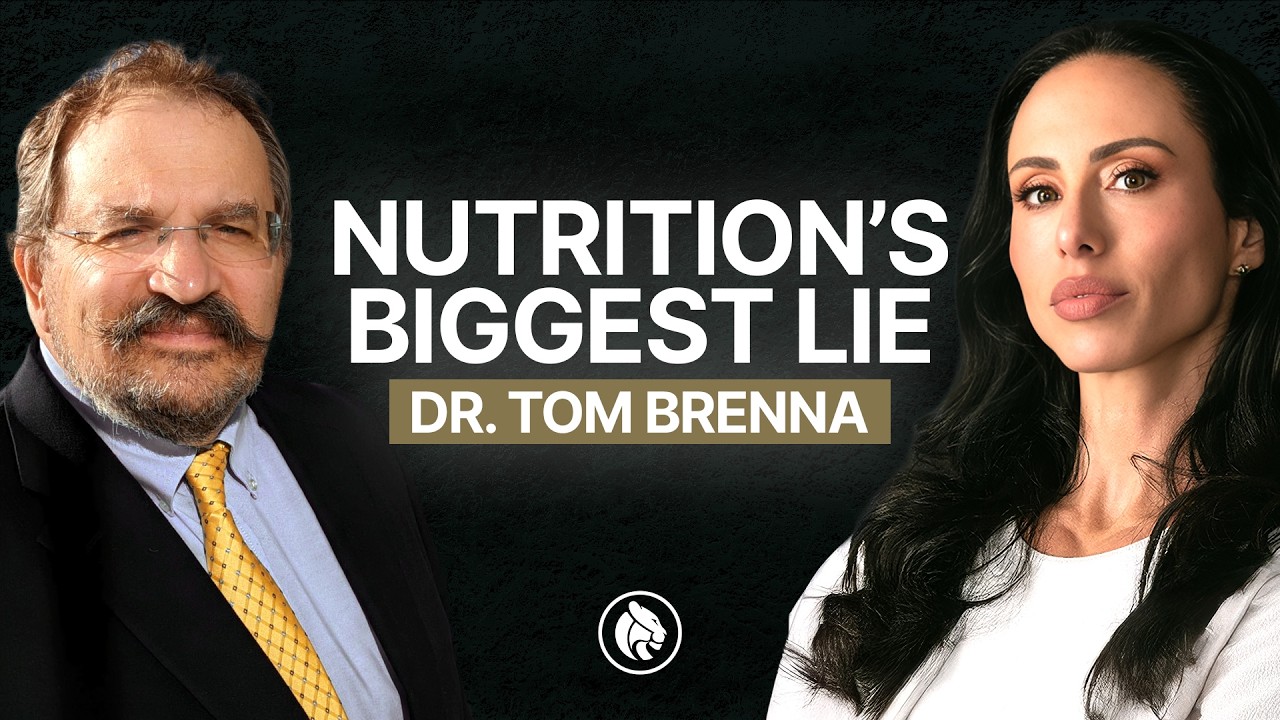
- Insights from Dr. Tom Brenna’s research and the findings presented in GLS #200.
- The interplay between dietary fats, insulin sensitivity, and metabolic diseases.
- Practical recommendations for incorporating fats into a balanced diet.
Saturated fat has long been a topic of debate within nutritional science. Traditionally, it has been considered a significant contributor to heart disease and other cardiovascular issues. However, recent research challenges this notion. Studies suggest that the relationship between saturated fat and cardiovascular health may be more nuanced than previously believed. Emerging evidence hints at the possibility that the type of saturated fat consumed, as well as the overall dietary context, can significantly influence health outcomes.
Dr. Tom Brenna’s contributions to the dialogue surrounding saturated fat and its implications for health are particularly noteworthy. In his presentation on the topic, he underscored how saturated fat may not be as pernicious as once thought. His research urges a closer examination of dietary patterns and considers the overall balance of fat types in one’s diet. This perspective accommodates recent investigations that suggest individuals consuming higher amounts of saturated fats, particularly from certain whole food sources, can maintain healthy cardiovascular profiles.
Simultaneously, omega-3 fatty acids have garnered attention for their health benefits, particularly in relation to inflammation and heart health. Omega-3 fatty acids, commonly found in fatty fish, flaxseeds, and walnuts, have been correlated with reduced mortality rates. The emphasis on increasing omega-3 intake is an integral part of dietary guidelines aimed at enhancing longevity and reducing the risk of chronic diseases.
Brenna’s research highlights the critical balance between different kinds of fats in our diet. The consumption of omega-3s alongside moderate amounts of saturated fats can foster an environment of better metabolic health. His insights advocate for a holistic view of dietary fats, rather than an overly restrictive approach that dismisses saturated fats outright. Instead of vilifying certain fats, focusing on a proper balance allows for a more sustainable and enjoyable eating pattern.
Furthermore, how dietary fats affect insulin sensitivity cannot be overstated. Insulin sensitivity plays a vital role in metabolic health and the prevention of type 2 diabetes. Diets high in processed fats and sugars can impair insulin function, while healthier fats, such as those from avocados, nuts, and fatty fish, can improve this sensitivity. Therefore, understanding how to incorporate healthier fats can contribute to better metabolic health and lower the risk of chronic diseases.
The insights derived from Dr. Brenna’s presentation serve as a pivotal reference point for those looking to navigate the complexities of modern dietary advice. It underscores the importance of a broad perspective when considering dietary choices, promoting an approach that values quality over quantity. By integrating diverse sources of lipids in one’s diet, individuals may find themselves on a path towards increased health outcomes and longevity.
Additionally, it’s valuable to offer actionable recommendations. Aim for a diet rich in omega-3 sources. Look to integrate fatty fish like salmon or mackerel into meals a few times a week. Plant-based sources, such as chia seeds and flaxseeds, can also be incorporated into smoothies or baked goods. While some saturated fats may still play a role in a varied diet, choosing quality sources—such as coconut oil or grass-fed dairy—can be beneficial when consumed in moderation.
Understanding the truth about saturated fat, omega-3 fatty acids, and their impacts on total mortality requires a multifaceted approach that respects individual dietary requirements while promoting overarching health principles. The dialogue initiated by Dr. Brenna is essential for laying the groundwork for reevaluating existing dietary guidelines. By focusing on a balanced approach that embraces both saturated and unsaturated fats, individuals can cultivate a healthier relationship with food. Consequently, they position themselves for enhanced well-being and reduced risk of chronic conditions related to metabolic disease.
*****
Source Description
Only nine scientists were asked to advise on the 2025 Dietary Guidelines for Americans, and Dr. Tom Brenna was one of them. In this conversation, he pulls back the curtain on how dietary guidelines are actually made, why the process has never been the same twice, and what it was like to watch a decades-old saturated fat recommendation get carried forward despite a lack of evidence supporting it at the level of total mortality. This is the dietary guidelines conversation the internet has been missing: straight from someone who was actually in the room.
Want ad-free episodes? Subscribe to Forever Strong Insider: https://bit.ly/4u5VSRe
📱Connect with Dr. Tom Brenna
Website: https://bit.ly/3O3cNUv
Instagram: https://bit.ly/4s7UF9N
LinkedIn: https://bit.ly/4shYfyl
References:
American Society for Nutrition Calls for Strong Science in National Nutrition Guidance
https://ajcn.nutrition.org/article/S0002-9165(24)00527-6/fulltext
🙌Thank you to our sponsors:
😁Manukora – Save 31% plus $25 worth of free gifts. https://bit.ly/4sglER1
💪Timeline – Get 20% off your Mitopure order at https://bit.ly/3NkQAB5
❤️Bon Charge – Save 15% at https://bit.ly/4cDyV1G with code DRLYON
📺Watch the “Dr. Gabrielle Lyon Show” every Tuesday at 9AM EST:
YouTube: https://bit.ly/4boCFC3
Spotify: https://bit.ly/4cWTbLG
📱Connect with Dr. Gabrielle Lyon:
Instagram: https://bit.ly/4uk9adc
TikTok: https://bit.ly/3OFK3kJ
X: https://bit.ly/4l3YlaX
Facebook: https://bit.ly/3MBrJso
LinkedIn: https://bit.ly/3N1nrdL
Website: https://bit.ly/3NdV2kT
Books: https://bit.ly/4r6ugZK
Newsletter: https://bit.ly/402QCAj
⏰Timestamps:
00:00 Intro of Show
00:14 Dr. Tom Brenna’s Background
05:19 Working with IBM
08:46 Family Life
10:38 2015 vs. 2025 Dietary Guidelines for Americans
28:06 American Society for Nutrition: Behind-the-Scenes of Dietary Guidelines
32:10 History of Saturated Fat
42:17 Different Types of Fat
45:23 How Are People Eating during World War II
51:09 The Whole Milk for Healthy Kids Act of 2025
53:58 What is Saturated Fat?
57:57 Link between Saturated Fat and Cardiovascular Diseases
1:05:53 Saturated Fat vs. Total Mortality
1:13:13 Best Studies on Saturated Fat
1:14:42 Reduction of Saturated Fat = Lowered LDL Cholesterol
1:22:35 Pregnancy and Fish Consumption Myths
1:37:55 Recommended Nutrition
1:39:59 Different Types of Oil and Effects on Health
1:42:04 Omega 3’s and 6’s Recommendation
1:50:02 Omega 3 Fatty Acids and ADHD
1:50:54 What’s Next: Precision Nutrition and Genetics
‼️Disclaimer: The Dr. Gabrielle Lyon Podcast and YouTube are for general information purposes only and do not constitute the practice of medicine, nursing, or other professional health care services, including the giving of medical advice, and no doctor/patient relationship is formed. The use of information on this podcast, YouTube, or materials linked from this podcast or YouTube is at the user’s own risk. The content of this podcast is not intended to be a substitute for professional medical advice, diagnosis, or treatment. Users should not disregard or delay in obtaining medical advice for any medical condition they may have and should seek the assistance of their health care professional for any such conditions.
This episode includes paid sponsorships.