- The dynamics of wealth transfer amidst economic shifts
- Behavioral influences on panic selling
- Strategies for buyers to capitalize on market opportunities
- Understanding the psychological factors of the current market
- Navigating financial decision-making in uncertain times
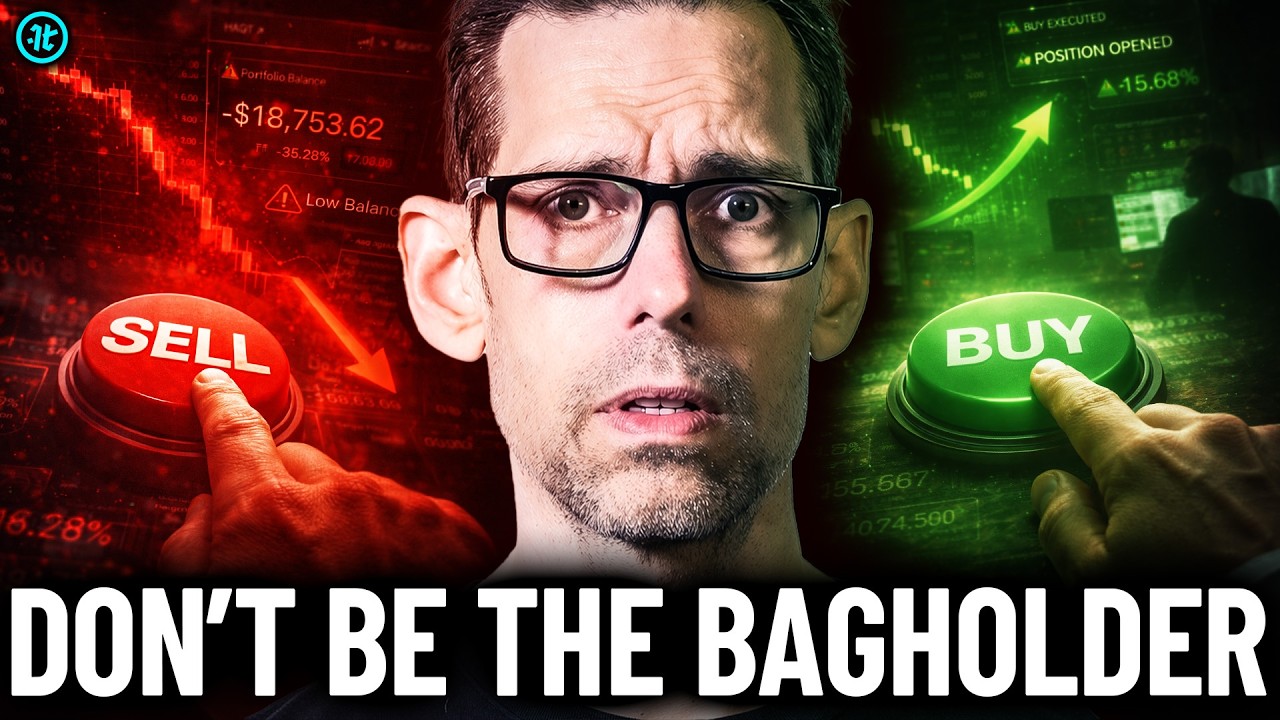
The dynamics of wealth transfer amidst economic shifts present an intriguing landscape for both sellers and buyers. Economic downturns often reveal an underlying trend where panic sellers inadvertently hand over fortunes to more strategic buyers. The current climate, riddled with uncertainty, enhances these dynamics, leading to a necessitated rethink of investment strategies.
The phenomenon of panic selling occurs when investors react emotionally to adverse market conditions. This behavior is often fueled by fear and a desire to minimize losses, rather than by a strategic assessment of valuation or future potential. When prices tumble, a substantial number of investors feel compelled to liquidate their positions, often at a loss. This creates a cascading effect in which prices continue to drop as supply exceeds demand. Consequently, the market becomes ripe for opportunistic buyers.
It’s crucial to analyze behavioral economics here. Human psychology plays a distinct role in financial decision-making. Fear can cloud judgment, causing investors to overlook fundamental values. Experience showed during the 2008 financial crisis that many panic sellers lost significant wealth simply due to emotional reactions. On the other hand, buyers meticulously assess undervalued assets.
Strategies for capitalizing on these market opportunities can vary depending on the investor’s risk appetite and investment horizon. Buyers can adopt a value investing approach, identifying stocks or assets trading below their intrinsic value. This requires rigorous analysis of the asset’s performance metrics and future prospects, rather than succumbing to emotional impulses tied to market fluctuations. Other strategies could include seeking out distressed assets or companies facing temporary setbacks but possessing long-term potential.
Understanding the psychological factors influencing current market trends can provide valuable insights. Herd mentality often drives investors into panic selling phases. This social influence exacerbates perceptions of risk, pushing others to follow suit without actually assessing their individual financial situations. Knowledge of past market behaviors can serve as a guide through turbulent waters, helping buyers make informed decisions.
In navigating financial decision-making during these uncertain times, it is significant for buyers to maintain a disciplined mindset. Establishing well-defined investing criteria helps in making objective choices. This can include specific financial ratios for evaluating stocks or parameters for assessing real estate opportunities.
Buyers should also focus on diversification. Relying on a singular investment can dramatically increase risk, especially in volatile market conditions. A well-rounded portfolio, encompassing different asset classes, can mitigate risks associated with panic selling periods.
Moreover, staying informed about macroeconomic indicators can enhance decision-making abilities. Economic reports, interest rates, and government policies impact market behavior. A well-informed investor will not only react to the current state of affairs but will also anticipate future trends.
Networking with mentors and fellow investors can provide additional perspectives and insights. Learning from the experiences of others, especially during challenging economic scenarios, is invaluable. Engaging in forums or investment groups allows one to gain diverse viewpoints and gather consensus on market movements.
Budgets and financial planning cannot be overlooked in this equation. Maintaining a clear understanding of one’s financial health—the balance of assets versus liabilities—can guide better investment decisions. Creating an emergency fund or retaining liquidity ensures that even if market conditions decline, an investor is not forced to sell their holdings at a loss.
The strategic approach of remaining calm during periods of panic cannot be understated. Historical examples have demonstrated that those with a long-term vision often benefit the most. They have the opportunity to acquire undervalued assets, setting themselves up for substantial profits when the market stabilizes.
Communication within investment circles can help identify potential trends before they manifest widely. Those involved in real estate, stocks, or other investment avenues can share insights about their observations and beliefs. Through effective discussions, a richer understanding of market movements may emerge.
Additionally, long-term investment strategies tend to outperform short-term speculation during volatility episodes. Ramifications of panic selling have historically created buying opportunities for those willing to hold on to their investments despite immediate price declines.
In this economic climate, prudent financial planning also encompasses emotional preparedness. Understanding one’s own biases and emotions can foster better decision-making. Recognizing that market fluctuations are commonplace allows investors to develop resilience when prices dip.
It’s essential for buyers to also keep an eye out for technological advancements or sectors experiencing robust growth. As industries evolve, new opportunities arise—sometimes from the ashes of companies struggling to adapt to evolving consumer demands. Not all panic selling is about the entire market; rather, some sectors thrive even during economic downturns.
Furthermore, examining the implications of government policies and fiscal measures will provide a clearer picture of potential market recoveries. Market movements are often reflective of broader economic policies. Savvy investors analyze these shifts to capture emerging trends before the general public becomes aware of them.
Creating a strategic investment plan is vital for navigating the turbulent waters of wealth transfer. This includes setting investment goals, determining ideal asset allocations, and identifying specific markets or trends to target. A robust plan not only provides a framework for decision-making but also minimizes emotional responses to market volatility.
Last but not least, leveraging data analytics can become a strong ally for informed decisions. Advanced technology tools can provide insights into market movements, aiding in identifying those buying opportunities that surface during panic selling episodes. Access to accurate data improves forecasting accuracy and overall investment strategy formulation.
In the heartbeat of financial markets, opportunities thrive during challenging economic conditions. Panic sellers often relinquish valuable assets to thoughtful and calculated buyers seeking to build wealth. By carefully analyzing market behaviors, diversifying investments, and relying on informed strategies, buyers can navigate today’s complexities with confidence. Each decision can significantly influence one’s financial future, paving the way for building wealth excellently. Understanding and leveraging these strategies can turn adverse conditions into favorable circumstances for those willing to act decisively and strategically.
*****
Source Description
Welcome back to Impact Theory with Tom Bilyeu. In today’s episode, we’re diving deep into the forces driving market volatility and uncovering the little-known factors that could make or break your retirement savings. As oil prices surge and Middle Eastern tensions disrupt global energy supply, Tom reveals how these events are sending shockwaves through your portfolio and putting the Federal Reserve—the most powerful economic institution on the planet—in a nearly inescapable trap.
We’ll walk you through the mechanics behind market swings, showing you why dramatic moves aren’t random and how history’s greatest wealth transfers happen during moments of panic. From analyzing 100 years of market data to breaking down the behavioral psychology that derails emotional investors, this episode gives you a clear, actionable roadmap to riding out the storm—and coming out ahead.
So, if you’ve been watching the headlines with growing anxiety, stick around. By the end of this episode, you’ll understand how generational wealth is built in the chaos—and exactly what you should do next.
00:00 – Intro
03:12 – Part 1: The Cage: How Oil Holds the Fed Hostage
11:30 – Part 2: The Pattern: 100 Years of Data on What Actually Happens Next
22:08 – Part 3: The Transfer: How Generational Wealth Actually Moves
29:18 – Part 4: What To Do With This Knowledge
Incogni: Take your personal data back with Incogni! Use code IMPACT at the link below and get 60% off an annual plan: https://incogni.com/impact
Paleovalley: 30 for $36 https://paleovalley.com/offers/protein-sticks-36-72?utm_source=youtube&utm_medium=Bilyou
Sign up for my AI Masterclass: https://tombilyeu.com/ai-masterclass
Check us out wherever you get your podcasts:
Spotify:https://open.spotify.com/show/1nARKz2vTIOb7gC9dusE4b?si=a8daffd2bf1f48fd
Apple: https://podcasts.apple.com/us/podcast/tom-bilyeus-impact-theory/id1191775648
Do you need my help?
STARTING a business: join me here inside ZERO TO FOUNDER (https://tombilyeu.com/zero-to-founder)
Get the exact systems, mindset shifts, and principles that built a $1B brand delivered straight to your inbox every week. Subscribe for free (https://tombilyeu.com)
Check out our Video game – Project Kyzen: (https://projectkyzen.io/)
Catch Me Streaming on Twitch – (https://twitch.tv/tombilyeu)
Link to IT discord: https://discord.gg/TZKJ2etPbT
Tom’s Favorite Things List: https://amzn.to/41Ftt7e
FOLLOW TOM:
Instagram: https://www.instagram.com/tombilyeu/
Tik Tok: https://www.tiktok.com/@tombilyeu?lang=en
Twitter: https://twitter.com/tombilyeu
YouTube: https://www.youtube.com/@TomBilyeu