- HIIT and Moderate Intensity Exercise: Defining Characteristics
- Health Benefits and Risks of Each Exercise Type
- Impact on Metabolic Health and Insulin Sensitivity
- Recommendations for Incorporating Exercise into a Routine
- Practical Tips for Choosing the Right Exercise Approach
High-Intensity Interval Training (HIIT) and moderate intensity exercise represent two distinct training modalities, each offering unique benefits for health and fitness. HIIT typically consists of short bursts of high-intensity activity followed by periods of rest or low-intensity exercise. This method engages fast-twitch muscle fibers and maximizes caloric expenditure in a limited timeframe. On the other hand, moderate intensity exercise involves consistent, sustained efforts that elevate heart rate to a moderate level, allowing for prolonged sessions. Walking briskly, cycling steadily, or swimming at a comfortable pace exemplifies this approach.
The benefits of each type of exercise extend beyond mere weight loss and include enhancements in cardiovascular health, psychological wellbeing, and muscle strength. However, individual goals and circumstances significantly influence which method is more suitable.
HIIT benefits include improved efficiency in time management and significant boosts in cardiorespiratory fitness. Studies show that shorter workouts can yield similar, if not superior, adaptations compared to longer sessions of moderate exercise. For instance, a study demonstrated that subjects participating in HIIT improved their VO2 max—an indicator of aerobic capacity—more significantly than those engaging in steady-state activities over several weeks.
Moderate intensity exercise, on the other hand, may lead to sustained levels of physical activity. Individuals may find it easier to maintain longer sessions, thereby accumulating more overall activity minutes per week. This steadiness can be beneficial for those looking to establish long-term exercise habits and lifestyle changes. Furthermore, moderate exercise is generally deemed more accessible, particularly for beginners or those with certain health conditions.
When assessing the health benefits and risks of HIIT versus moderate intensity exercise, several factors come into play. HIIT can lead to a more significant acute response in terms of hormones and metabolic adaptations, which may favor those seeking to increase muscular endurance and anaerobic capacity. Nevertheless, there remains a risk associated with the intensity of HIIT; it can lead to higher injury rates if not performed correctly or if participants do not possess a baseline fitness level.
Moderate intensity exercise typically comes with a lower injury risk profile, making it suitable for a broader demographic, including older adults and those with preexisting health conditions. Importantly, prolonged engagement in moderate exercise has been shown to foster behaviors that support overall health, including improved stress management and mental health.
Regarding metabolic health, both forms of exercise positively influence insulin sensitivity. HIIT has been shown to elicit rapid improvements in blood glucose control, which is particularly beneficial for individuals with insulin resistance or type 2 diabetes. The mechanisms behind this involve enhanced glucose uptake by muscle cells and a reduction in insulin secretion, promoting more effective blood sugar management. Research literature indicates that just a few weeks of HIIT can result in significant improvements in insulin sensitivity, making this an appealing option for those at risk for metabolic diseases.
In contrast, moderate intensity exercise also plays a vital role in improving insulin sensitivity but may do so through prolonged, consistent activity that contributes to weight loss and better body composition over time. This gradual approach can be advantageous for individuals who prefer an adaptable routine that doesn’t rely solely on the intensity of workouts. A balanced fitness regimen that incorporates both HIIT and moderate exercise can yield complementary benefits.
Incorporating exercise into daily life is essential for reaping the numerous health benefits associated with both HIIT and moderate intensity workouts. Individual preferences, fitness levels, and time availability are crucial elements in crafting an effective exercise routine. For beginners, starting with moderate intensity exercise can build a solid foundation, ultimately preparing them for more intense activities. Gradually integrating HIIT sessions into a weekly workout plan can improve cardiovascular fitness without overwhelming the body from the outset.
When integrating exercise regimens, it is crucial to recognize that rest and recovery are as significant as activity itself. Individuals will benefit from periodization in their training; therefore, alternating between HIIT and moderate intensity sessions while allowing sufficient recovery can optimize health outcomes. This balanced approach ensures that the body does not experience diminished returns from overtraining and fosters a sustainable long-term commitment to fitness.
Another important aspect is to identify personal preferences when selecting exercise modalities. Enjoyment plays a significant role in adherence to an exercise program. Engaging in activities that are pleasurable increases the likelihood of continuous participation, thereby enhancing overall wellness.
Diet also influences responses to exercise. Consuming a balanced diet rich in whole foods, adequate proteins, healthy fat sources, and complex carbohydrates supports energy production and recovery from both HIIT and moderate intensity workouts. Paying attention to nutritional timing—such as ensuring adequate pre- and post-workout nutrition—can further optimize performance and recovery.
In summary, choosing between HIIT and moderate intensity exercise depends on multiple factors including health goals, personal preferences, and fitness levels. Both modalities contribute meaningfully to overall health, weight management, cardiovascular fitness, and metabolic health. Ultimately, a well-rounded approach that includes both types of exercise, combined with attention to nutrition and recovery, will yield the best results.
Evidence supporting both HIIT and moderate intensity exercise continues to grow, illustrating the importance of individualization in exercise programming. Those looking to improve their health should explore the variety of workouts available and discover which methods fit their lifestyle, enabling sustainable progress in achieving their fitness goals.
*****
Source Description
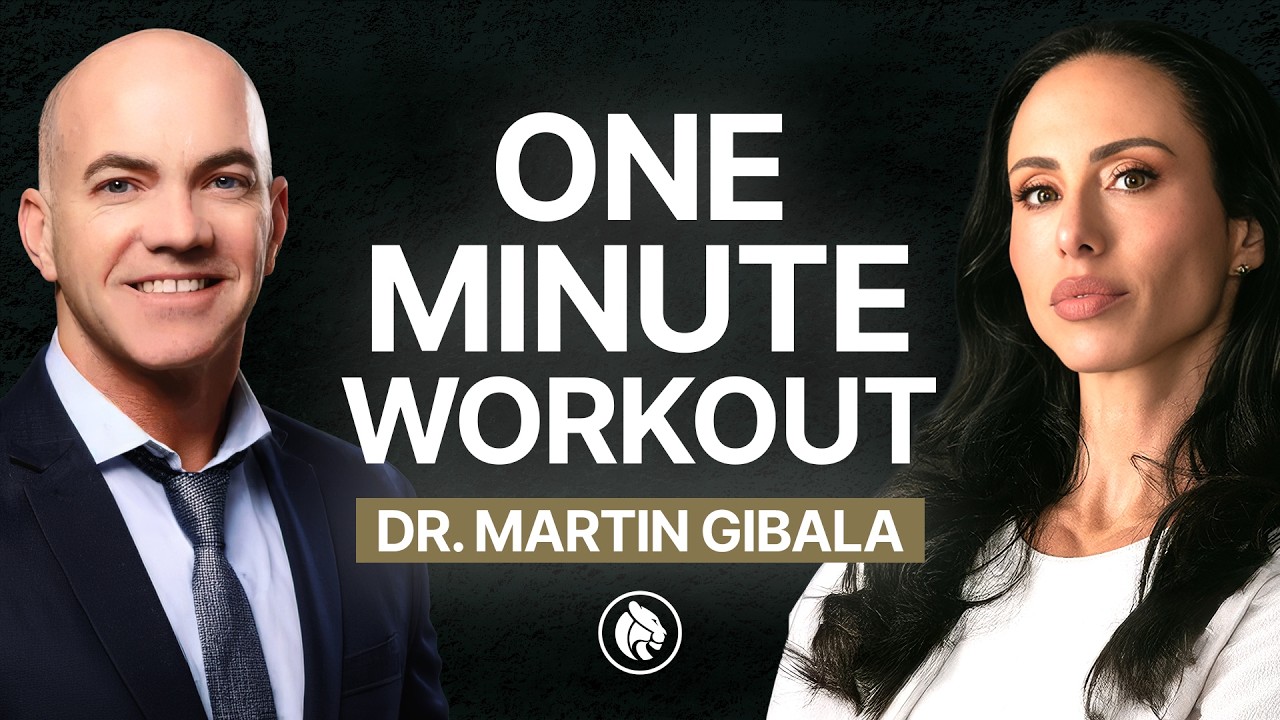
Metabolic flexibility is your body’s ability to efficiently burn fat or carbohydrate depending on demand, may be one of the most important and least understood markers of long-term health. In this episode, I’m with Dr. Martin Gibala to explore the emerging science of Fat Max, why mitochondrial quality is central to both performance and longevity, and how sprint interval training produces comparable mitochondrial adaptations to traditional endurance work in a fraction of the time. Could the key to better metabolic health be less about the hours you log and more about how hard you’re willing to push?
Want ad-free episodes? Subscribe to Forever Strong Insider: https://bit.ly/4u5VSRe
Get Dr. Martin Gibala’s book, “The One-Minute Workout” here: https://bit.ly/4lxBchq
Connect with Dr. Martin Gibala
Website: https://bit.ly/3P8ROjd
Website: https://bit.ly/3Nfz410
Instagram: https://bit.ly/40qrVhl
X.com: https://bit.ly/4b9usCP
YouTube: https://bit.ly/3PiVkYh
Email: realexercisescience@gmail.com
🙌Thank you to our sponsors:
🛌 Cozy Earth – Go to https://bit.ly/4loRB7A for up to 20% off!
🚴 Carol Bike – Visit https://bit.ly/4b9KFYF and use code LYON for $100 off your CAROL Bike
☕ Four Sigmatic – Go to https://bit.ly/4lp0Ep2 for a free bag of their dark roast ground coffee (just pay for shipping & handling).
📺Watch the “Dr. Gabrielle Lyon Show” every Tuesday at 9AM EST:
YouTube: https://bit.ly/4boCFC3
Spotify: https://bit.ly/4cWTbLG
📱Connect with Dr. Gabrielle Lyon:
Instagram: https://bit.ly/4uk9adc
TikTok: https://bit.ly/3OFK3kJ
X.com: https://bit.ly/4l3YlaX
Facebook: https://bit.ly/3MBrJso
LinkedIn: https://bit.ly/3N1nrdL
Website: https://bit.ly/3NdV2kT
Books: https://bit.ly/4r6ugZK
Newsletter: https://bit.ly/402QCAj
⏰Timestamps:
00:00 Intro of Show
01:26 What is High-Intensity Interval Training?
05:04 HIIT to Improve Health Fundamentally
08:23 Exercise Ratio for General Individuals vs. Athletes
14:29 Dr. Lyon’s Workout Routine
16:47 High-Intensity Interval vs. Sprint Interval Training
20:23 New Studies on Sprint Interval Training
24:57 The One-Minute Workout
26:57 CAROL Bike Mechanics
28:59 Benefits of High-Intensity Interval Training
37:21 Fuel Utilization: Sprint Interval vs. Slow, Steady-State Training
45:38 Metabolic Flexibility Definition
46:41 Fat Max Definition and Evaluation
50:26 Zone Training Model
58:00 Designing the Health of the Nation
1:04:04 How to Improve Body Composition
1:11:40 REHIT: Reduced Exertion, High-Intensity Training
1:21:59 Does HIIT Prevent Sarcopenia?
1:27:27 VO2 Max: Factoring Age and Sex
1:34:28 Designing the Ideal Workout Week
1:39:14 Importance of Rest Intervals
1:45:14 Connect with Martin
‼️Disclaimer: The Dr. Gabrielle Lyon Podcast and YouTube are for general information purposes only and do not constitute the practice of medicine, nursing, or other professional health care services, including the giving of medical advice, and no doctor/patient relationship is formed. The use of information on this podcast, YouTube, or materials linked from this podcast or YouTube is at the user’s own risk. The content of this podcast is not intended to be a substitute for professional medical advice, diagnosis, or treatment. Users should not disregard or delay in obtaining medical advice for any medical condition they may have and should seek the assistance of their health care professional for any such conditions.
This episode includes paid sponsorships.