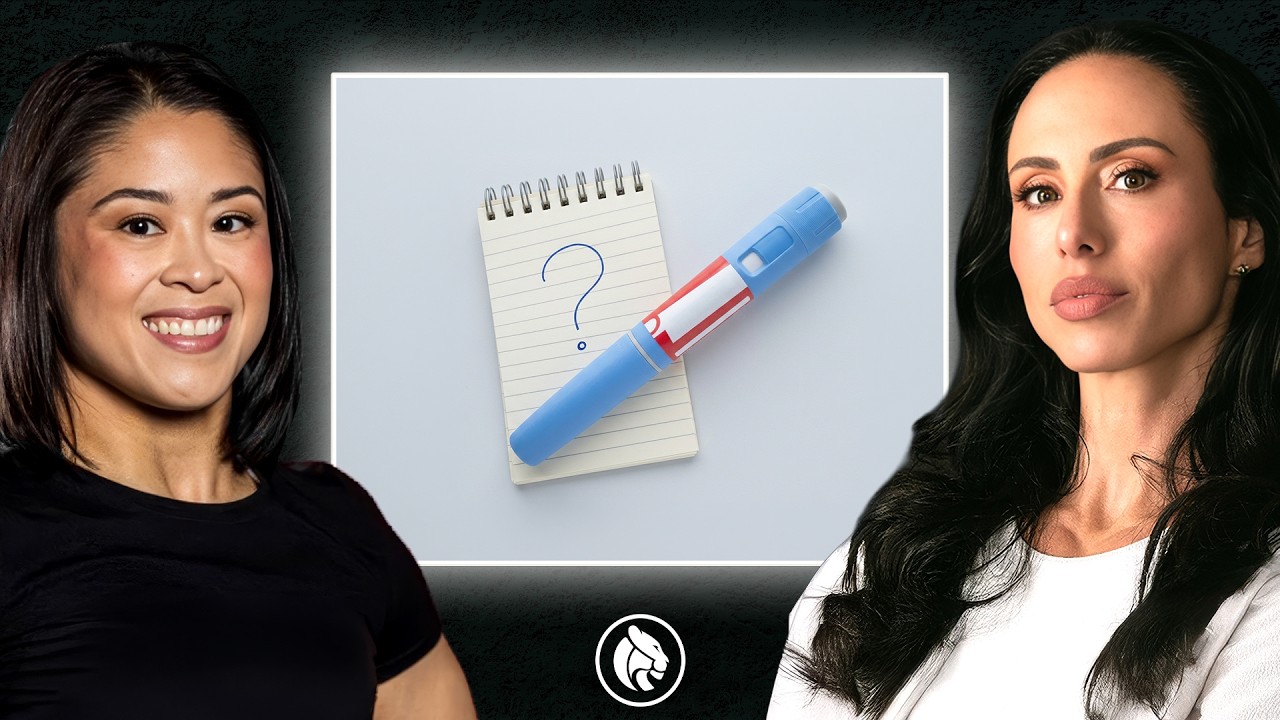
- Willpower has limitations in weight loss efforts.
- Understanding metabolic processes is crucial.
- Emotional and psychological factors impact weight management.
- Nutrition quality matters more than calorie counting.
- Sustainable lifestyle changes promote long-term success.
The notion that sheer willpower is enough for weight loss is misleading. Many people embark on high-stakes diets, believing that determination and self-discipline are sufficient to shed excess pounds. While self-control plays a role, it is not the sole factor in achieving effective weight management. The physiological, psychological, and nutritional complexities involved in weight loss require a more nuanced understanding.
Examining metabolic processes reveals why willpower alone often falls short. Various hormones influence body weight, and insulin is among the most significant. Insulin resistance, common in those who struggle with obesity, can disrupt metabolic pathways. Consequently, a high insulin level signals the body to store energy rather than utilize it. This physiological response makes weight loss difficult, even with strong willpower. Focusing solely on calories consumed versus calories burned ignores these metabolic intricacies.
Furthermore, understanding the body’s energy regulation is vital. The body has a natural set point, a weight range that it strives to maintain. Numerous factors, including genetics and environment, determine this set point. When a person tries to lose weight, the body might interpret this as a threat to its equilibrium and initiate counter-regulatory mechanisms. This can lead to increased hunger and decreased energy expenditure, both of which make it challenging to maintain weight loss in the long term. In this light, it becomes clear that mere determination does not override these deeply ingrained biological systems.
Emotional and psychological factors equally shape the landscape of weight management. Food often serves as more than sustenance; it can provide comfort or act as a reward. This emotional relationship with food complicates the weight loss journey. People might push themselves to adhere to restrictive diets, but when stress arises or emotions run high, the desire for comfort foods may take precedence over willpower. The cycles of restriction and indulgence can further perpetuate weight gain and challenges.
Additionally, psychological aspects such as body image and self-esteem significantly impact one’s ability to maintain weight loss. Societal pressures and unrealistic beauty standards can lead to emotional eating or binge eating disorders. An approach that encompasses physical, emotional, and psychological factors promotes healthier relationships with food. Developing mindfulness around eating habits can encourage listening to one’s body, distinguishing between genuine hunger and emotional triggers.
The quality of nutrition plays an immense role in weight loss. Focusing on whole foods rather than processed options contributes to better metabolic outcomes. Not all calories are equal; calories from nutrient-dense foods have different physiological responses compared to empty-calorie foods. For instance, high-fiber foods keep you satiated longer and can stabilize insulin levels, creating a more favorable environment for weight loss. On the other hand, refined carbohydrates and sugars can lead to insulin spikes, promoting fat storage.
The composition of one’s diet profoundly affects overall metabolic health. Prioritizing whole grains, lean proteins, healthy fats, and plenty of fruits and vegetables can improve insulin sensitivity. A balanced plate can regulate blood sugar levels and maintain energy, making it easier to adhere to a healthier lifestyle. Instead of counting calories obsessively, focusing on nutrient intake can foster sustainable and beneficial habits that go beyond short-term weight loss goals.
Long-lasting weight loss requires a shift in lifestyle rather than merely a temporary diet. Creating lasting habits can help maintain weight loss and improve overall health. Establishing a regular eating schedule, incorporating physical activity, and building a support system can foster adherence to healthy choices. Moreover, gradual lifestyle changes tend to lead to more enduring results than drastic, immediate changes, which are often not sustainable.
Incorporating exercise into a daily routine also plays a non-negligible role. Regular physical activity enhances metabolism and builds muscle mass. This can improve body composition and further influence metabolic processes, such as insulin sensitivity. Instead of viewing exercise as a means to offset caloric intake, it should be embraced as a beneficial practice for overall well-being—that is invigorating and crucial for health in general.
The connection between community support and successful weight loss should not be overlooked. Many studies indicate that individuals who participate in support groups or work with professionals tend to achieve better outcomes. Shared experiences foster accountability and motivation, transforming weight management into a collective journey rather than an individual struggle. Engaging in conversations about healthy living, nutrition, and exercise can provide insights and encouragement that bolster one’s resolve.
Furthermore, the societal context can significantly impact individual weight management efforts. Access to healthy food options, education on nutrition, and opportunities for physical activity vary across communities. Understanding these socio-economic factors is important for creating supportive environments that promote healthier choices. Advocacy for easier access to nutritious food and safe spaces for exercise can make a substantive difference in weight management at a larger level.
Ultimately, recognizing that willpower isn’t enough for effective weight loss can lead to more informed choices. Separating the various aspects of weight management emphasizes the necessity of a comprehensive approach. Materializing effective, long-term weight loss hinges on understanding metabolic processes, addressing emotional and psychological issues, prioritizing nutrition quality over calorie fixation, and fostering sustainable lifestyle changes.
The journey toward effective weight loss is multifaceted, not determined solely by willpower. It is imperative to acknowledge and appreciate the intricate interplay among biology, psychology, and social factors. A richer understanding of these elements equips individuals with the tools and knowledge necessary to forge healthier lifestyles, leading to both weight loss and better overall health outcomes.
*****
Source Description
If you’ve spent years doing everything right and still couldn’t get ahead, this clip is the conversation you’ve needed. Dr. Christle Guevarra, a family medicine and sports medicine physician who competed in powerlifting while silently struggling with food obsession, walks through the real clinical reasoning behind GLP-1 prescribing decisions, including the gray area cases that BMI charts can’t capture. Are we really still gatekeeping medicine based on whether someone tried hard enough?
Want ad-free episodes? Subscribe to Forever Strong Insider: https://bit.ly/4u5VSRe
Get Dr. Christle Guevarra’s book, “Bodybuilding Anatomy”: https://www.amazon.com/Bodybuilding-Anatomy-Michael-Israetel/dp/1718225989
Connect with Dr. Christle Guevarra
YouTube: https://youtube.com/@dr.christle?si=NrJze1lmEvNQ9QE1
Instagram: https://www.instagram.com/dr.christle/?hl=en
Facebook: https://www.facebook.com/Christle-Guevarra-DO-MS-100065380213479/?wtsid=rdr_0StDnGrwxlBA7RpVG
LinkedIn: https://www.linkedin.com/in/christleg
🙌Thank you to our sponsors:
🌍 Cozy Earth – Go to https://bit.ly/4teXQhz for up to 20% off!
🤍 Timeline – Get 20% off your Mitopure order at https://bit.ly/48NFRX2
🚲 Carol Bike – Visit https://bit.ly/4tg4cxa and use code LYON for $100 off your CAROL Bike
📺Watch the “Dr. Gabrielle Lyon Show” every Tuesday at 9AM EST:
YouTube: https://bit.ly/4boCFC3
Spotify: https://bit.ly/4cWTbLG
📱Connect with Dr. Gabrielle Lyon:
Instagram: https://bit.ly/4uk9adc
TikTok: https://bit.ly/3OFK3kJ
X.com: https://bit.ly/4l3YlaX
Facebook: https://bit.ly/3MBrJso
LinkedIn: https://bit.ly/3N1nrdL
Website: https://bit.ly/3NdV2kT
Books: https://bit.ly/4r6ugZK
Newsletter: https://bit.ly/402QCAj
⏰Timestamps:
12:22 Engagement in Competitive Powerlifting
13:49 GLP-1 “Cheating” Debate
17:00 Perspectives on GLP-1 Medication
‼️Disclaimer: The Dr. Gabrielle Lyon Podcast and YouTube are for general information purposes only and do not constitute the practice of medicine, nursing, or other professional health care services, including the giving of medical advice, and no doctor/patient relationship is formed. The use of information on this podcast, YouTube, or materials linked from this podcast or YouTube is at the user’s own risk. The content of this podcast is not intended to be a substitute for professional medical advice, diagnosis, or treatment. Users should not disregard or delay in obtaining medical advice for any medical condition they may have and should seek the assistance of their health care professional for any such conditions.
This episode includes paid sponsorships.