- Understanding Chronic Pain and Its Impact
- The Mechanism Behind Brain Rewiring
- Case Studies and Scientific Evidence
- The Role of Nutrition and Lifestyle Modifications
- Therapeutic Approaches to Manage Chronic Pain
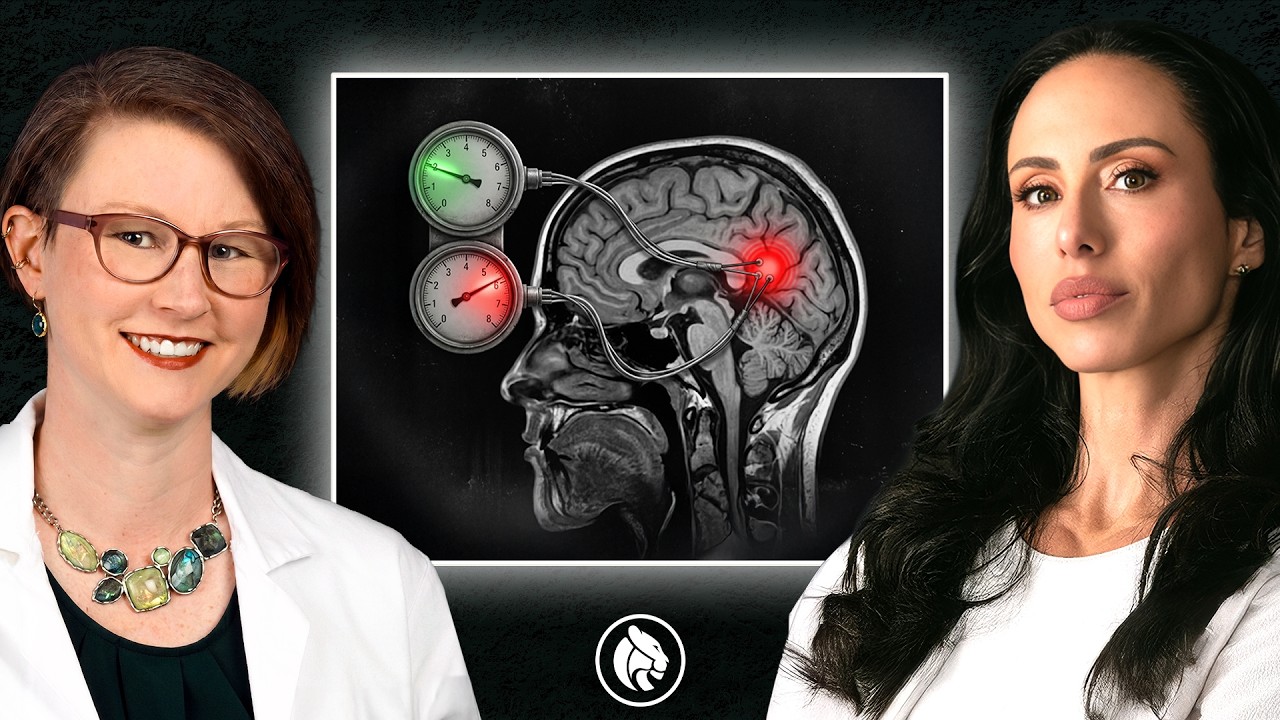
Chronic pain is a complex and multifaceted experience that significantly affects individuals’ lives. It is defined as persistent pain lasting more than three months and may arise from injuries, illnesses, or conditions that alter the body’s normal physiological processes. In understanding chronic pain, it becomes evident that this condition not only inflicts physical discomfort but also engages the brain in profound ways. When pain persists, the brain undergoes a process of rewiring, fundamentally altering neural pathways and leading to altered perceptions of pain.
The mechanism behind this brain rewiring involves neuroplasticity, the brain’s capability to change in response to experiences and environmental factors. Chronic pain can lead to decreased gray matter density in certain brain regions, changing how individuals perceive pain signals. Over time, pain pathways may become amplified, resulting in a heightened sensitivity to stimuli that may not have elicited a response before. Neuroimaging studies have illuminated this transformation, showing changes in the thalamus, prefrontal cortex, and insular cortex, which are essential for processing sensory information and pain.
In examining case studies and scientific evidence, one finds compelling examples of how chronic pain reshapes brain structure and function. Research indicates that individuals with chronic low back pain exhibit alterations in brain organization, correlating with their pain levels. Not only does chronic pain exacerbate psychological symptoms like anxiety and depression, but it also creates a vicious cycle where psychological distress further intensifies pain perception. The interconnectedness of mind and body becomes increasingly evident, emphasizing the need for integrated approaches in managing chronic pain.
Nutrition plays an essential role in the management of chronic pain and can influence the underlying physiological mechanisms. Diets high in processed foods and sugars can lead to inflammation, further perpetuating pain cycles. Conversely, incorporating anti-inflammatory foods rich in omega-3 fatty acids, antioxidants, and fiber can help mitigate the inflammatory responses associated with chronic pain. Foods such as fatty fish, nuts, berries, and leafy greens support metabolic health and improve insulin sensitivity, reducing overall inflammation in the body.
Lifestyle modifications also play a crucial role in pain management. Regular physical activity has been shown to have numerous benefits, including enhancing mood, improving sleep quality, and reducing pain levels. Mindfulness practices and cognitive behavioral therapy can support individuals dealing with chronic pain by addressing the emotional and psychological aspects of their condition. Psychoeducation about the brain’s plasticity can empower patients, providing them with tools to combat the negative perceptions surrounding their pain.
Various therapeutic approaches exist for managing chronic pain, demonstrating the importance of a multidisciplinary strategy. Medications, physical therapy, acupuncture, and cognitive behavioral therapy all offer unique benefits. Medications like NSAIDs and anticonvulsants may alleviate pain, while physical therapy rebuilds strength and functionality. Additionally, newer techniques, such as neuromodulation, target nerve pathways directly and have been shown to provide relief for some.
Integrating diet, nutrition, and lifestyle changes with traditional treatments can create a comprehensive pain management plan that addresses both physical and psychological components. Individuals experiencing chronic pain can benefit from partnerships with healthcare providers, nutritionists, and mental health professionals to tailor a program that suits their specific needs.
Ultimately, chronic pain reflects a dynamic interaction between physical stimuli and the brain’s interpretation of those signals. Understanding how chronic pain rewires the brain is essential for developing effective treatment protocols. Recognizing the role of diet, lifestyle, and therapeutic interventions provides a pathway for individuals to reclaim their quality of life and better manage chronic pain. With continued research and collaboration in this area, there is hope for innovative solutions and improved outcomes for those afflicted by chronic pain.
*****
Source Description
When you live with chronic pain, a two on the pain scale genuinely feels like a seven and functional MRI scans prove it’s not in your head. In this episode, Dr. Gabrielle Lyon sits down with Dr. Susan Macdonald, a board-certified urologist specializing in chronic pelvic pain, to discuss:
– How chronic pain physically rewires the brain, measurable gray matter changes and pelvic floor control shifts shown on fMRI
– Why fear of the next pain episode primes the nervous system and amplifies every signal that follows
– The “drug seeker” label residents are taught at intake and the real clinical cost it has on patients with prostatitis, fibromyalgia, and IBS
– Why a young thirty-year-old dad with no obvious pathology can lose the ability to play with his kids and how the switch flips
– The two-part framework for actually getting out: identifying the stress points feeding the pain, and building real coping skills instead of self-medicating
If you’ve ever been told the pain is all in your head, this episode gives you the neuroscience that proves it isn’t and a practical path forward for chronic pelvic pain, prostatitis, fibromyalgia, and any condition the medical system has dismissed.
Thank you to our sponsors:
Manukora – Go to https://bit.ly/42JR1ZA to save 31% plus $25 worth of free gifts.
Timeline – Get 20% off your Mitopure order at https://bit.ly/4eLBWhB
BONCHARGE – Save 15% at https://bit.ly/48CFoXY with code DRLYON
Explore More from Dr. Gabrielle Lyon
– Premium Podcast Subscription: Ad-free episodes, key takeaway summaries, exclusive Q&A, and behind-the-scenes content https://foreverstrong.supercast.com
– Weekly newsletter: Recipes, podcast updates, and practical weekly insights https://drgabriellelyon.com/sign-up/
– Apply to become a patient: Personalized care with Dr. Lyon’s clinical team https://drgabriellelyon.com/new-patient-inquiry/
Find Dr. Susan Macdonald at
Instagram: https://www.instagram.com/drsusanmacdonald/
X (Twitter): https://x.com/smacdonald_md
LinkedIn: https://www.linkedin.com/in/susan-macdonald-506324191/
Connect with Dr. Gabrielle Lyon
Instagram: https://www.instagram.com/drgabriellelyon/
TikTok: @drgabriellelyon
X (Twitter): https://x.com/drgabriellelyon
Facebook: https://www.facebook.com/doctorgabriellelyon
Chapters
00:00 – Chronic pain in the brain
00:10 – fMRI proof: gray matter changes
01:02 – The Family Guy priming analogy
01:48 – Why a light touch feels like agony
02:11 – Drug seekers and provider invalidation
02:38 – Prostatitis in men under 65
03:21 – The switch that flips: how chronic pain starts
04:55 – Stress points and coping skills framework
If you found this episode valuable, share it with someone who would benefit from it.
This episode includes paid sponsorships.
The Dr. Gabrielle Lyon Podcast and YouTube are for general information purposes only and do not constitute the practice of medicine, nursing, or other professional health care services, including the giving of medical advice, and no doctor/patient relationship is formed. The use of information on this podcast, YouTube, or materials linked from this podcast or YouTube is at the user’s own risk. The content of this podcast is not intended to be a substitute for professional medical advice, diagnosis, or treatment. Users should not disregard or delay in obtaining medical advice for any medical condition they may have and should seek the assistance of their health care professional for any such conditions.