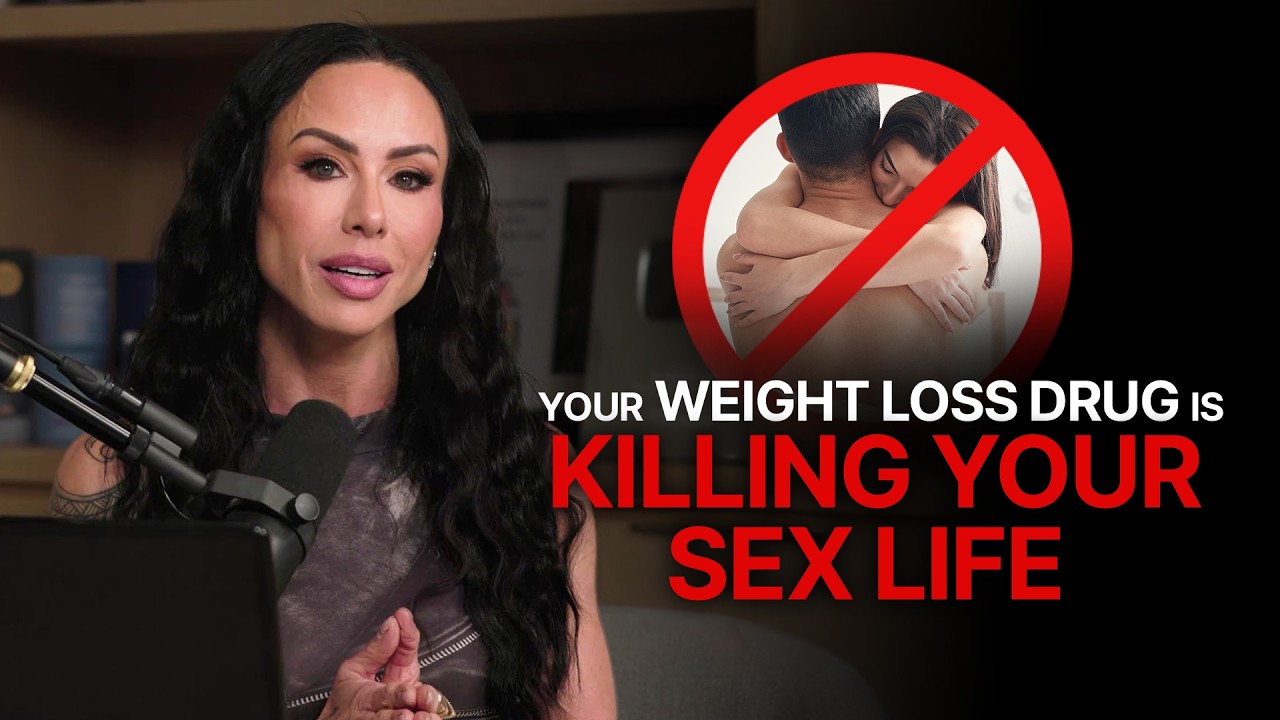
- The physiological mechanisms of GLP-1s and their role in metabolic regulation
- The potential effects of GLP-1s on sexual drive and function
- Insights into the relationship between weight loss, GLP-1s, and libido
- Variability in individual responses to GLP-1 therapies
- Connecting GLP-1s, insulin sensitivity, and overall health outcomes
The introduction of GLP-1 (glucagon-like peptide-1) receptor agonists into medical practices marks a significant advancement in the management of obesity and type 2 diabetes. These medications work by mimicking the action of natural GLP-1, a hormone released in response to meals that promotes insulin secretion, inhibits glucagon release, and reduces appetite. While much attention has been focused on how these agents influence weight loss and metabolic control, an important, yet often overlooked aspect involves their effects on sexual drive. This article will explore the intricate workings of GLP-1s and their interplay with sexual health, providing an insightful look into topics that are sometimes not openly discussed.
The physiological mechanisms of GLP-1s and their role in metabolic regulation are foundational to understanding their broader effects. GLP-1s play a substantial part in regulating not just insulin secretion but also glucose metabolism. By augmenting insulin sensitivity and reducing glucagon levels, GLP-1s create an environment conducive to lower blood glucose levels. They also slow gastric emptying, leading to increased satiety. This multifaceted action contributes to weight loss, which can indirectly influence sexual function. Excess body weight is often associated with lower testosterone levels and a higher risk of sexual dysfunction, particularly in men. By helping people achieve and maintain healthier weights, GLP-1s could potentially enhance sexual health.
As sexual drive is governed by a complex interaction of psychological, physiological, and hormonal factors, the potential effects of GLP-1s on sex drive and function warrant much discussion. Some studies indicate that individuals undergoing GLP-1 therapy may experience changes in libido, although these changes can be varied. For some, weight loss can lead to increased confidence and enhancement of sexual desire. On the contrary, others may report a reduction in sexual drive, potentially linked to hormonal changes or emotional factors during their weight loss journey.
Additionally, the relationship between weight loss, GLP-1s, and libido unveils itself more clearly when considering how body composition impacts sexual health. Research has consistently shown that obesity is linked to hormonal imbalances, particularly in insulin and sex hormones such as testosterone and estrogen. When GLP-1s facilitate weight loss, this may also restore normal hormonal levels. Consequently, improvements in sexual function may be seen as a secondary benefit of achieving a healthier body weight and proper metabolic balance.
However, individual responses to GLP-1 therapies can vary widely. Factors such as age, sex, existing medical conditions, and psychological state all contribute to how one might experience changes in libido and sexual performance. For instance, older individuals may experience a different hormonal response to GLP-1 than younger ones, and men may have different experiences than women. Understanding these nuances is crucial for individuals considering GLP-1s as part of their weight loss strategy, particularly those concerned about the implications for their sexual health.
It is also vital to connect GLP-1s with insulin sensitivity and overall health outcomes. Insulin resistance is a precursor to metabolic syndrome and can lead to serious complications, including cardiovascular diseases and diabetes. By improving insulin sensitivity and enhancing metabolic control, GLP-1s serve as a key part of the strategy to combat these complications. A healthier metabolic state not only improves energy levels and well-being but can also have positive repercussions on sexual health.
Understanding the multifaceted relationship between GLP-1s and factors affecting libido is important for practitioners and patients alike. Open conversations about potential sexual health issues should be encouraged during the initiation of GLP-1 therapy. This not only helps to set clear expectations but also fosters a supportive environment where individuals can discuss their experiences and concerns without stigma.
Moreover, future research into GLP-1s and sexual health should emphasize the importance of varied responses to these medications. It is imperative that studies account for factors such as mental health, partner relationships, and overall life satisfaction when assessing sexual drive. By broadening the scope of research, a more comprehensive understanding of the effects of GLP-1s on libido can emerge.
In summary, GLP-1s represent a remarkable advancement in the treatment of obesity and metabolic diseases. Their multifaceted action not only facilitates weight loss and improves metabolic health but may also play notable roles in altering sexual drive and function. As more individuals consider GLP-1s for weight management, understanding their broader implications—particularly around sexual health—becomes crucial.
The ongoing dialogue surrounding GLP-1s and their effects on sexual drive highlights the importance of viewing health through an integrated lens. Individuals embarking on weight loss journeys with the aid of GLP-1s should be empowered to engage actively in discussions about all dimensions of their health. From metabolic regulation to sexual health, GLP-1s illuminate significant connections worth exploring further.
This exploration into the implications of GLP-1 therapy emphasizes the need for a holistic approach to patient care. Healthcare providers should normalize discussions around these aspects, thereby giving patients the tools and information necessary to navigate their journeys with confidence. As the landscape of obesity treatment continues to evolve, understanding the intersections between metabolic management and sexual health will provide a comprehensive framework for improving overall well-being.
*****
Source Description
The receptor that switches off your appetite on a GLP-1 drug is the same one wired into your reward circuitry, your hormones, and your blood vessels, which means when you turn down hunger, something else may be getting turned down too, and for most people taking these drugs, nobody ever checked.
In this solo episode, Dr. Gabrielle Lyon discusses:
Why the same drug class can improve sexual function in men with obesity while potentially dampening it in lean or postmenopausal women — and why the deciding factor isn’t the drug, it’s the body
How rapid weight loss raises SHBG, the protein that soaks up free testosterone, so a “normal” total testosterone result can hide a real deficit your bloodwork won’t flag
Why women make up 60–70% of GLP-1 prescriptions yet the entire evidence base for female sexual function is two case reports, with zero validated questionnaires in any pivotal trial
The three-tier action plan for anyone on or about to start a GLP-1 — baseline your sexual function first, get free testosterone tested, and protect muscle with protein and resistance training
Whether you’re on a GLP-1 drug or considering one, you’ll walk away knowing exactly what to measure before you start and what to watch for after — so a change in your sexual health gets caught as the vital sign it is, instead of being quietly dismissed.
Thank you to our sponsors:
Cozy Earth – Go to https://bit.ly/44qcXtu for up to 20% off!
Lucy – Get 20% off your next order with code DRLYON at https://bit.ly/3QEpYMX or find yours in store at https://bit.ly/3SGAEv3 .
Kettle & Fire – Head to https://bit.ly/4oJokGu and use code DRLYON for 25% off sitewide. That is K-E-T-T-L-E and Fire dot com slash DRLYON, code DRLYON for 25% off. Also available at select Sprouts, Whole Foods, and Kroger locations nationwide.
Explore More from Dr. Gabrielle Lyon
Premium Podcast Subscription: Ad-free episodes, key takeaway summaries, exclusive Q&A, and behind-the-scenes content https://foreverstrong.supercast.com
Weekly newsletter: Recipes, podcast updates, and practical weekly insights https://drgabriellelyon.com/sign-up/
Apply to become a patient: Personalized care with Dr. Lyon’s clinical team https://drgabriellelyon.com/new-patient-inquiry/
Connect with Dr. Gabrielle Lyon:
Instagram: https://www.instagram.com/drgabriellelyon/
TikTok: https://www.tiktok.com/@drgabriellelyon
X (Twitter): https://x.com/drgabriellelyon
Facebook: https://www.facebook.com/doctorgabriellelyon
Chapters
00:00 – Introduction
01:30 – The 35-year-old patient case
04:00 – The question: harm or help?
05:00 – The case against: the 4.5x ED study
06:30 – FAERS database and 182 reports
08:00 – Reward circuits, blood flow, and SHBG
11:00 – Women are 70%, the data is two case reports
12:30 – The case for: detection bias explained
15:00 – Validated studies show testosterone rising
17:00 – GLP-1 vs testosterone therapy and fertility
19:00 – Same receptor, different body
22:00 – Cross-examination: holes in both sides
26:00 – Why the drugs may not all be the same
30:00 – Confidence levels: what Lyon actually believes
33:00 – Tier 1: baseline, hormones, protein, training
35:00 – Tier 2 and 3: dose, molecule switch, adjuncts
36:30 – Your sexuality is a vital sign
If you found this episode valuable, share it with someone who would benefit from it.
Disclaimers: This episode includes paid sponsorships.
The Dr. Gabrielle Lyon Podcast and YouTube are for general information purposes only and do not constitute the practice of medicine, nursing, or other professional health care services, including the giving of medical advice, and no doctor/patient relationship is formed. The use of information on this podcast, YouTube, or materials linked from this podcast or YouTube is at the user’s own risk. The content of this podcast is not intended to be a substitute for professional medical advice, diagnosis, or treatment. Users should not disregard or delay in obtaining medical advice for any medical condition they may have and should seek the assistance of their health care professional for any such conditions.