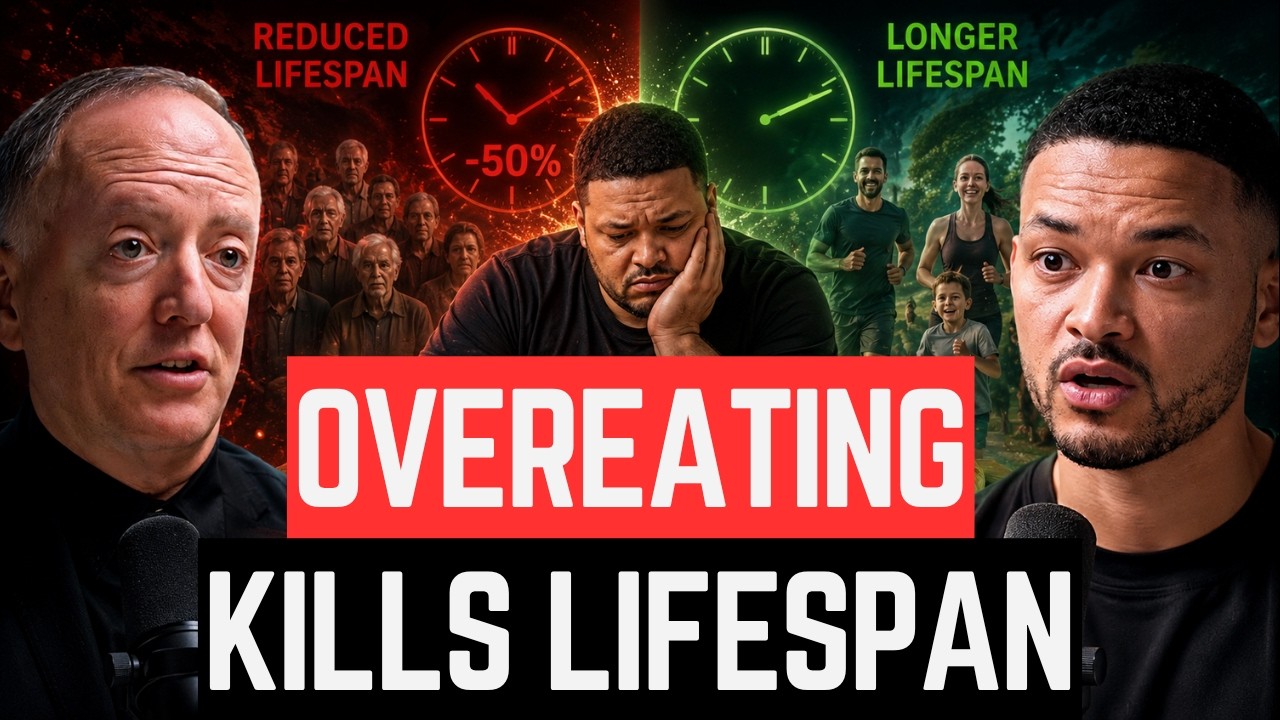
- Overeating and Its Impact on Lifespan
- The Science of Metabolic Disease
- Insulin Sensitivity and Weight Management
- Dr. Alan Goldhamer’s Insights on Health
- Dietary Recommendations for a Longer Life
Overeating has become a pervasive issue in modern society, linking closely to various health problems and significantly reducing lifespan. Individuals frequently consume more calories than their bodies require, leading to a host of metabolic diseases. Emerging research highlights the profound impact of excessive food intake, emphasizing that the connection between dietary habits and longevity cannot be ignored.
The topic of metabolic disease encompasses conditions like obesity, type 2 diabetes, and heart disease. These ailments directly correlate with overeating and the resultant inflammatory processes in the body. The excessive weight gained from a high-calorie diet can create a vicious cycle, where metabolic functions become increasingly impaired. Insulin resistance arises when the body fails to respond effectively to this hormone, which is crucial in regulating blood sugar levels.
In addressing the issue of overeating, Dr. Alan Goldhamer brings a compelling voice to the conversation. Goldhamer, a respected figure in health and nutrition, emphasizes lifestyle changes and preventative measures. His insights advocate for a holistic view of dietary intake, urging individuals to consider the broader implications of their eating habits. Goldhamer’s work demonstrates that clear connections exist between what we eat and how long we live.
One fundamental aspect of this discussion involves insulin sensitivity. Insulin sensitivity refers to how responsive cells in the body are to the hormone insulin. When someone overeats consistently, especially foods rich in sugars and unhealthy fats, the pancreas secretes more insulin to help process the excess glucose in the bloodstream. Over time, these frequent spikes can lead to decreased sensitivity. This resistance not only causes higher insulin levels but also contributes to fat storage and increased weight. Maintaining a proper balance in food consumption is essential to prevent insulin resistance and promote a healthier metabolism.
Goldhamer advocates for specific dietary practices that can lead to improved health outcomes. He emphasizes whole foods, including fruits, vegetables, legumes, and grains, while minimizing processed foods, which tend to be high in sugar, salt, and unhealthy fats. By adopting a plant-based diet, individuals can significantly reduce their risk of developing chronic diseases associated with overeating. The fibers in whole foods promote satiety and help with weight management, making it easier to maintain a healthy body weight without experiencing hunger.
Studies show that caloric restriction, wherein individuals consume fewer calories without malnutrition, can enhance longevity and improve metabolic health. This concept is closely related to the body’s natural process of autophagy, where cells remove damaged components, promoting effective functioning. Research indicates that caloric restriction leads to significant changes in metabolic markers, which contribute to the prevention of age-related diseases.
Moreover, maintaining a healthy weight proves crucial in combatting systemic inflammation, stemming from excessive food intake. Chronic inflammation is linked to various health issues, including cardiovascular diseases and various cancers. Reducing caloric intake can help diminish this inflammation, supporting overall health and potentially increasing lifespan.
Dr. Goldhamer highlights the importance of mindful eating as an approach that encourages individuals to slow down, savor their meals, and develop a conscious awareness of what they consume. This practice aligns with research demonstrating that people who eat slowly and deliberately tend to consume fewer calories and feel more satisfied post-meal. It fosters a healthier relationship with food, steering individuals away from emotional or compulsive eating habits.
The role of physical activity cannot be overstated in the conversation about health and longevity. While dietary changes are paramount, incorporating regular exercise complements any effort toward weight management. Engaging in physical activity enhances insulin sensitivity by encouraging the muscles to utilize glucose effectively. This, in turn, supports overall metabolic function and reduces the risks of chronic diseases linked to obesity and overeating.
In discussing dietary strategies, it is also vital to mention the importance of portion control. People often underestimate their food portions, leading to unintentional overeating. Tools such as food diaries, portion scales, and visual aids can help individuals become more aware of how much they’re consuming, aligning their intake more closely with their actual needs. Adopting a balanced approach to portions can lead to significant improvements in overall health.
There is also increasing evidence highlighting the influence of psychological and emotional factors in overeating. Stress, anxiety, and emotional challenges often lead individuals to seek comfort in food. This not only increases caloric intake but can also perpetuate a cycle of unhealthy eating behaviors. Incorporating stress reduction strategies, such as mindfulness techniques or engaging in enjoyable physical activities, can prove beneficial in combatting overeating tendencies.
Additionally, adequate sleep plays a crucial role in maintaining metabolic health. Sleep deprivation can disrupt hormonal balance, affecting hunger hormones such as ghrelin and leptin. Leptin signals satiety, while ghrelin stimulates hunger. When sleep is compromised, ghrelin levels can rise, prompting increased hunger and cravings for high-calorie foods, further worsening the cycle of overeating.
Nutrition education is another keystone focus. A significant gap exists in how dietary choices are understood and disseminated among various populations. A comprehensive approach to health literacy, emphasizing nutrition education and accessibility to healthy options, could lead to improved outcomes in public health. Initiatives promoting better understanding of food choices could spark lasting change, providing communities the knowledge needed to make healthier dietary decisions.
In the discussion of overeating and its implications, the talk often circles back to the importance of community support and engagement. When individuals are part of environments that promote healthy eating habits and lifestyles, they are more likely to adopt similar behaviors. Support systems, whether through family, friends, or community initiatives, can significantly impact dietary choices and encourage individuals to prioritize their health.
For those looking to enhance their dietary habits and overall health, small gradual changes often yield the best results. Embracing a plant-focused diet, being mindful of portion sizes, and incorporating regular exercise can serve as cornerstones for lasting health improvements. By understanding the immediate effects of overeating and its long-term implications, individuals can regain control over their habits and work toward a healthier future.
As the complexities surrounding nutrition continue to evolve, important conversations, such as those guided by figures like Dr. Alan Goldhamer, become increasingly pertinent. The reality lies in recognizing that overeating is more than a mere dietary choice; it significantly impacts one’s lifespan. A proactive approach to eating and lifestyle can pave the way to a healthier existence, ultimately cutting down the risk of life-altering metabolic diseases.
Long-term lifestyle changes require dedication and effort, but the dividends pay off in health and longevity. By adopting habits informed by scientific research and expert guidance, individuals can reclaim their health and embrace longevity at its core. Engaging in this communal and educational journey offers a stronger foundation for current and future generations seeking to overcome the challenges posed by overeating.
*****
Source Description
#waterfasting #autophagy #diseasesofkings #visceralfat #sosfree #bloodpressure #evolutionarybiology #intermittentfasting #bdnf #cellularhealing
In this profound and clinically-backed discussion, a world-leading expert on medically supervised water-only fasting exposes a hard-hitting biological truth: modern chronic illnesses are not random malfunctions, but the direct consequences of dietary excess. Historically known as the “diseases of kings” because only the wealthy elite could afford to overeat, conditions like hypertension, diabetes, and autoimmune disorders have now become common plagues. The culprit is visceral fat—the highly inflammatory, hypertrophic fat around our organs that acts like a toxic tumor. By diving into evolutionary biology, the speaker illustrates how human beings developed a massive, glucose-consuming brain that relies on an evolutionary survival switch. After 24 hours of withholding calories, our glycogen stores deplete, and the brain shifts from burning sugar to running on ketones (specifically beta-hydroxybutyric acid). This process triggers an spike in BDNF—a neurochemical that protects the brain from oxidative damage like Alzheimer’s—and unlocks autophagy, the cellular housekeeping mechanism that cleans out senescent and cancer cells.
However, the speaker delivers a crucial warning about the mechanics of fasting: therapeutic fasting is defined as the complete abstinence of all substances in an environment of total rest. If you remain highly active while fasting, your body is forced to generate glucose through gluconeogenesis, causing you to lose valuable lean muscle tissue instead of fat. Furthermore, he dismantles the modern food industry’s ultimate weapon: the “SOS” combination (Salt, Oil, and Sugar). These hyper-concentrated chemicals hijack our brain’s dopamine pathways, overriding our natural satiety mechanisms and driving 76% of the population into obesity. Whether utilizing time-restricted feeding (like a 16:8 window) to prevent emotional late-night eating, or undergoing a rigorous 5-to-40-day water fast under strict clinical supervision, the goal remains the same: getting out of the body’s way so it can do what it does best—heal itself. With staggering data showing a 100% success rate in normalizing blood pressure among consecutive patients without medication, this episode provides a revolutionary blueprint to reclaim your health by undoing the toxic tax of abundance.