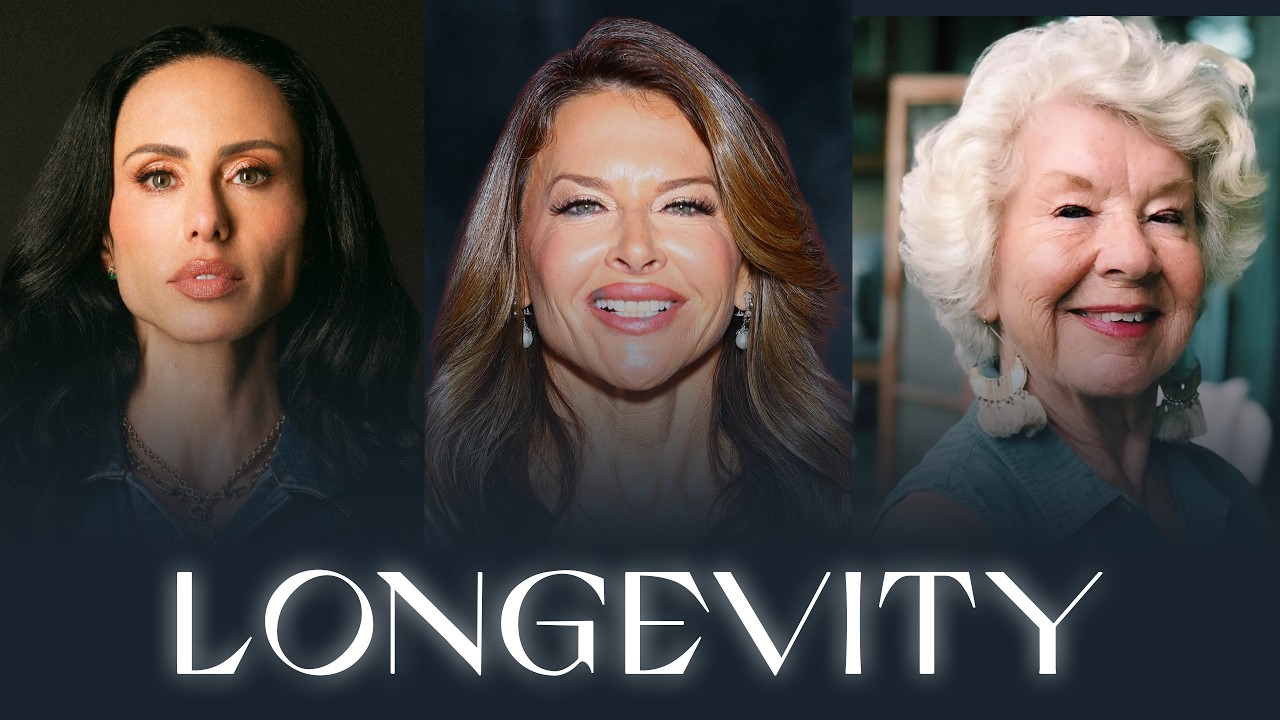
- Overview of muscle building for those over 70
- Role of nutrition in muscle development
- Importance of exercise and strength training
- Managing insulin sensitivity and metabolic health
- Practical tips for maintaining muscle mass and strength
Building muscle after the age of 70 is not only feasible; it is vital for maintaining health, strength, and overall quality of life. "Over 70 and Shredded: The Guide to Building Muscle at Any Age" by Michelle and Joan MacDonald highlights the key strategies that allow older adults to effectively develop muscle mass. This guide combines actionable advice, scientific knowledge, and a straightforward approach to fitness for seniors.
Muscle loss, medically termed sarcopenia, is a natural part of aging. However, both lifestyle choices and nutrition can significantly influence this process. Aging can lead to decreased muscle mass, strength, and even increased frailty. Research indicates that individuals who remain active and engage in strength training experience less muscle loss than those who do not. The principles laid out by Michelle and Joan MacDonald provide a comprehensive framework through which older adults can combat these trends.
Nutrition is critical for muscle development. Protein intake becomes particularly important in later life, as older adults often require more protein to stimulate muscle protein synthesis effectively. The recommended dietary allowance (RDA) for protein varies, but many experts suggest that older adults benefit from consuming approximately 1.0 to 1.2 grams of protein per kilogram of body weight. This means that a 70-kilogram person should aim for around 70 to 84 grams of protein daily.
However, it’s not merely about the quantity of protein consumed; the quality also matters. High-quality protein sources include lean meats, fish, eggs, dairy, and legumes. These sources provide essential amino acids that facilitate muscle growth and repair. Incorporating a variety of protein sources can maximize nutrient intake and improve overall health.
Carbohydrates and fats also play essential roles in a balanced diet. Carbohydrates provide energy necessary for effective workouts, while healthy fats support hormone production and enhance overall nutritional balance. Whole grains, fruits, and vegetables are great sources of carbohydrates. Omega-3 fatty acids, found in fish and flaxseed, are known to reduce inflammation, which may further aid recovery after workouts.
Supplementation might also warrant consideration, especially for nutrients like vitamin D and calcium, which are crucial for bone health. Older adults often have difficulty absorbing these nutrients from food alone. Vitamin D supports muscle function, while calcium is vital for maintaining bone strength. It is important to consult with a healthcare professional before commencing any supplementation regimen.
Exercise and strength training are indispensable components of any muscle-building initiative. Regular physical activity not only enhances muscle strength but also improves coordination, balance, and flexibility—all essential for preventing falls, which are a significant risk for older adults. Resistance training should be a primary focus. This form of training can encompass free weights, resistance bands, or body-weight exercises.
The key to successful resistance training in older adults lies in gradually increasing the intensity in a safe manner. Incorporating exercises that target major muscle groups—such as squats, push-ups, and modified pull-ups—can yield significant results. Working out two to three times a week allows for sufficient recovery between sessions. It’s essential to begin each workout with a proper warm-up to reduce the risk of injury.
Monitoring progression is equally critical. Keeping track of the weights lifted or the number of repetitions and sets completed can help in assessing improvement and adjusting workouts as necessary. Consulting a fitness trainer or physical therapist familiar with older adults can be especially beneficial.
Managing insulin sensitivity becomes increasingly important as individuals age. Insulin sensitivity refers to how responsive cells are to insulin, the hormone that regulates blood sugar levels. Type 2 diabetes is a common concern for older adults, and maintaining insulin sensitivity can help reduce the risk of developing this condition. Regular exercise can significantly enhance insulin sensitivity as it allows cells to utilize glucose more effectively.
Nutrition also plays a crucial role in metabolic health. Diets rich in fiber—such as whole grains, fruits, and vegetables—can stabilize blood sugar levels and contribute to overall health. High-fiber foods not only promote satiety but also support gut health, which can impact metabolic function.
Additionally, managing body composition is vital. Maintaining a healthy body weight can improve metabolic health and reduce the risk of chronic diseases. In this regard, building muscle mass serves a dual purpose; muscle tissue is metabolically active and requires energy, which can further aid in weight management.
While embarking on a muscle-building journey, older adults should consider practical tips to maintain motivation and consistency. Setting clear, realistic goals is paramount. Whether it involves lifting a certain weight, completing a specific workout routine, or even focusing on everyday activities, defined objectives can enhance focus and dedication.
Establishing a routine can also provide structure. Designating specific days and times for workouts helps cultivate a habit, making it easier to stay consistent. Finding a workout partner can add an element of accountability and social interaction, enriching the experience further.
Recovery is another aspect that should not be overlooked. Adequate sleep and proper hydration are integral to the muscle-building process. Sleep facilitates recovery and muscle repair, while hydration is necessary to maintain optimal bodily functions, especially during workouts. Older adults often underestimate their hydration needs, so it’s important to stay vigilant about fluid intake.
Lastly, community involvement can strengthen resolve. Joining exercise classes geared towards older adults, participating in group activities, or engaging in online forums can provide emotional support and encouragement. Building relationships within a fitness community fosters camaraderie and a shared commitment to wellness.
Overall, "Over 70 and Shredded" serves as a comprehensive guide for older adults embarking on their muscle-building journey. The insights provided by Michelle and Joan MacDonald paint a clear picture of the interplay between nutrition, exercise, metabolic health, and community involvement. By approaching muscle building with determination and a well-rounded strategy, individuals over 70 can not only build muscle but can also enrich their lives and maintain independence as they age.
*****
Source Description
Want ad-free episodes and access to community Q&As? Subscribe to Forever Strong Insider: https://foreverstrong.supercast.com
Become a patient: https://strongmedical.com/apply-now/?utm_source=youtube&utm_medium=video&utm_campaign=strongmedical&utm_content=description
In this empowering episode, Dr. Gabrielle Lyon sits down with the incredible mother-daughter duo, Michelle and Joan MacDonald, to share the blueprint for radical physical transformation at any age. Joan, who began her journey nearing 71 years old, proves it’s never too late, while coach Michelle, a Certified Strength and Conditioning Specialist (CSCS), cuts through the noise on training, nutrition, and mindset.
They tackle deeply personal topics, including Michelle’s 15-year struggle with a severe eating disorder and the shame that surrounds women’s health. This is a must-watch to learn the non-negotiable pillars for building a strong, resilient, and healthy body, no matter your starting point.
Michelle MacDonald is a trailblazer in the global movement to redefine aging and female
empowerment through strength. As the founder of The Wonderwomen, a world-class coaching
brand built on her signature methodology, The Fitness Model Blueprint™, Michelle has
transformed thousands of women—inside and out—with evidence-based strategies that merge
mindset, muscle, and metabolic mastery.
Joan MacDonald (Fitness Icon and Mother)
At 70, Joan MacDonald was getting winded walking up a flight of stairs and now, at 74, she is doing weighted pull-ups and 200 lb hip thrusts.
This episode is sponsored by:
– Branch Basics – 15% off and free shipping on the Starter Kit when you use code DRLYON at BranchBasics.com/DRLYON
– BON CHARGE Holiday Sale https://boncharge.com for 25% off
– Manukora – BLACK FRIDAY SALE: Save $151 on Manukora Starter Kit MANUKORA.com/DRLYON
Chapters:
0:00 – The ED Crisis: Michelle’s 15-Year Battle & Recovery
2:04 – Joan Started Lifting at 71: Debunking the Age Myth
6:16 – Pillars of Transformation: Mindset, Sleep, Food
8:52 – Finding Your “Why”: Aesthetics vs. Longevity
12:01 – Why Strength Training Must Come First
14:28 – Grittiness: The Secret to Joan’s Radical Success
24:54 – Hard Truths: The “Nursing Home” Speech That Changed Joan’s Life
26:47 – The Transformation Container: Non-Negotiables for Success
47:03 – Disordered Eating: When to Get Expert Therapy vs. Coaching
50:11 – GLP-1s and the “Food Noise” Solution
58:12 – 3 Essential Beginner Exercises (Joan’s Choices)
1:04:22 – Strength Goals: The 3 Exercises a Strong 40-Year-Old Must Master
1:10:29 – The Hip Thrust: #1 Glute Builder and Muscle Mandate
1:14:09 – Training is a Skill: How to Prevent Injury
1:19:11 – Core Strength: Why Glutes and Abs Prevent Falls
1:33:37 – Training the Individual: Why Age Doesn’t Matter
1:37:29 – Nutrition Blueprint: Protein First for Satiety and Adherence
Find Michelle at:
https://www.instagram.com/yourhealthyhedonista/
http://MichelleMacdonaldOfficial.com
Podcast: https://podcasts.apple.com/us/podcast/the-wonder-women-official/id1677831398
Find Joan at:
https://www.instagram.com/trainwithjoan
https://www.trainwithjoanofficial.com
Find Dr. Gabrielle Lyon at:
– Instagram:@drgabriellelyon
– TikTok: @drgabriellelyon
– Facebook: facebook.com/doctorgabriellelyon
– YouTube: youtube.com/@DrGabrielleLyon
– X (Twitter): x.com/drgabriellelyon
– Apply to become a patient – https://drgabriellelyon.com/new-patient-inquiry/
– Join my weekly newsletter – https://institute-for-muscle-centric-medicine.ck.page
– Pre-order my new book – https://www.amazon.com/exec/obidos/ASIN/1668085623
Disclaimer: The Dr. Gabrielle Lyon Podcast and YouTube are for general information purposes only and do not constitute the practice of medicine, nursing, or other professional health care services, including the giving of medical advice, and no doctor/patient relationship is formed. The use of information on this podcast, YouTube, or materials linked from this podcast or YouTube is at the user’s own risk. The content of this podcast is not intended to be a substitute for professional medical advice, diagnosis, or treatment. Users should not disregard or delay in obtaining medical advice for any medical condition they may have and should seek the assistance of their health care professional for any such conditions.
This episode includes paid sponsorships.