- Understanding the Role of Testosterone in Men’s Health
- Common Misconceptions Surrounding Testosterone Levels
- The Impact of Diet and Lifestyle on Testosterone
- Insulin Sensitivity and Its Connection to Testosterone
- Strategies to Optimize Testosterone Levels Naturally
Testosterone plays a crucial role in the overall health and well-being of men. It influences everything from muscle mass and strength to energy levels and mood. This hormone is often seen as the cornerstone of masculinity, yet misconceptions abound regarding its functions and how it can be maintained. Let’s explore the nuanced facets of testosterone and address common myths that have led many astray.
The first area of focus is the role of testosterone in men’s health. Testosterone is an androgen, a group of hormones that includes others such as dihydrotestosterone. Produced primarily in the testes, this hormone is essential for various physiological functions. It regulates libido, bone mass, fat distribution, and muscle mass, playing a significant role in physical performance and mental health. Decreased testosterone levels can lead to a range of issues, including lower energy, decreased motivation, and adverse effects on physical performance.
However, it is crucial to recognize that the understanding of testosterone has been clouded by a variety of misconceptions. One prevalent myth is that low testosterone is strictly an issue of aging. While it is true that testosterone levels decline gradually after the age of 30, not all men experience significant drops. Furthermore, the factors contributing to low testosterone are multifaceted, encompassing genetics, illness, stress, and environmental influences. It is essential to approach issues related to testosterone holistically rather than attributing changes to age alone.
Diet and lifestyle choices significantly impact testosterone levels, an area often overlooked in discussions surrounding hormonal health. Consuming a balanced diet rich in essential nutrients can profoundly influence hormone regulation. For example, diets high in saturated fats may disrupt endocrine function. On the other hand, healthy fats, such as omega-3 fatty acids from fish, can positively affect hormone production.
Moreover, regular physical activity has been shown to boost testosterone levels. Resistance training and high-intensity interval training (HIIT) are especially effective. These forms of exercise stimulate the body, promoting metabolic health and enhancing hormonal balances. Sedentary lifestyles, in contrast, can lead to obesity, which has been strongly correlated with lower testosterone levels.
The link between insulin sensitivity and testosterone is another critical topic. Insulin resistance—a condition where the body’s cells become less responsive to insulin—is often associated with obesity and metabolic disorders. Emerging research highlights an intricate relationship between testosterone and insulin sensitivity. Low testosterone levels can contribute to insulin resistance, creating a vicious cycle of metabolic dysfunction. Conversely, improving insulin sensitivity may help elevate testosterone levels.
Men looking to optimize testosterone levels should focus on dietary strategies that enhance insulin sensitivity. A diet rich in whole foods, such as fruits, vegetables, lean proteins, and whole grains, supports overall metabolic health. Reducing sugar and refined carbohydrate intake can also be beneficial. Portions controlled and mindful eating are crucial, as excessive caloric intake can lead to weight gain and hormonal imbalances.
Incorporating certain vitamins and minerals can alsoaid in maintaining healthy testosterone levels. Zinc is particularly noteworthy; it’s involved in testosterone production and can diminish when levels are deficient. Foods such as shellfish, meat, legumes, and seeds are excellent sources of zinc. Vitamin D also plays an integral role, as low levels of this vitamin have been linked to testosterone deficiency. Sun exposure and foods fortified with Vitamin D can help combat this issue.
Emotional and mental health factors are relevant as well. Chronic stress elevates cortisol levels, a hormone that can inhibit testosterone production. Stress management techniques such as mindfulness, meditation, and regular physical activity can alleviate stress and promote hormonal balance. Ensuring consistent sleep patterns is equally vital since inadequate sleep is correlated with decreased testosterone levels.
Beyond diet and lifestyle, medical evaluation may be necessary in some cases. Conditions such as hypogonadism can lead to abnormally low testosterone levels and necessitate treatment through healthcare professionals. Additionally, certain medications can impact testosterone levels, so awareness about these potential side effects is beneficial for informed decision-making.
By prioritizing holistic health, men can support optimal testosterone levels. This includes focusing on a diverse diet rich in nutrients, staying active, managing stress effectively, and ensuring adequate sleep. Recognizing the interconnectedness of lifestyle choices, hormonal health, and overall well-being opens doors to healthier options and improved quality of life.
The narratives surrounding testosterone are often laden with misconceptions and oversimplifications. Accurate knowledge can empower men to take charge of their health. Testosterone is not merely a "male hormone"; it is a vital component that interacts with multiple systems in the body. Addressing low levels should not solely focus on supplementation but should emphasize healthy lifestyle modifications.
Fostering an environment that prioritizes well-being—through nutrition, exercise, and mental health—can yield significant benefits. It is worthwhile to engage in discussions about testosterone openly, promoting awareness around its essential role, mainstreaming healthy narratives, and dispelling damaging myths.
Investing in one’s health is a continuous journey. Men should leverage available knowledge, embrace proactive self-care, and form supportive communities. In doing so, they can navigate the complexities surrounding testosterone and emerge with a better understanding of their health, ultimately leading to enhanced performance, mood, and vitality.
*****
Source Description
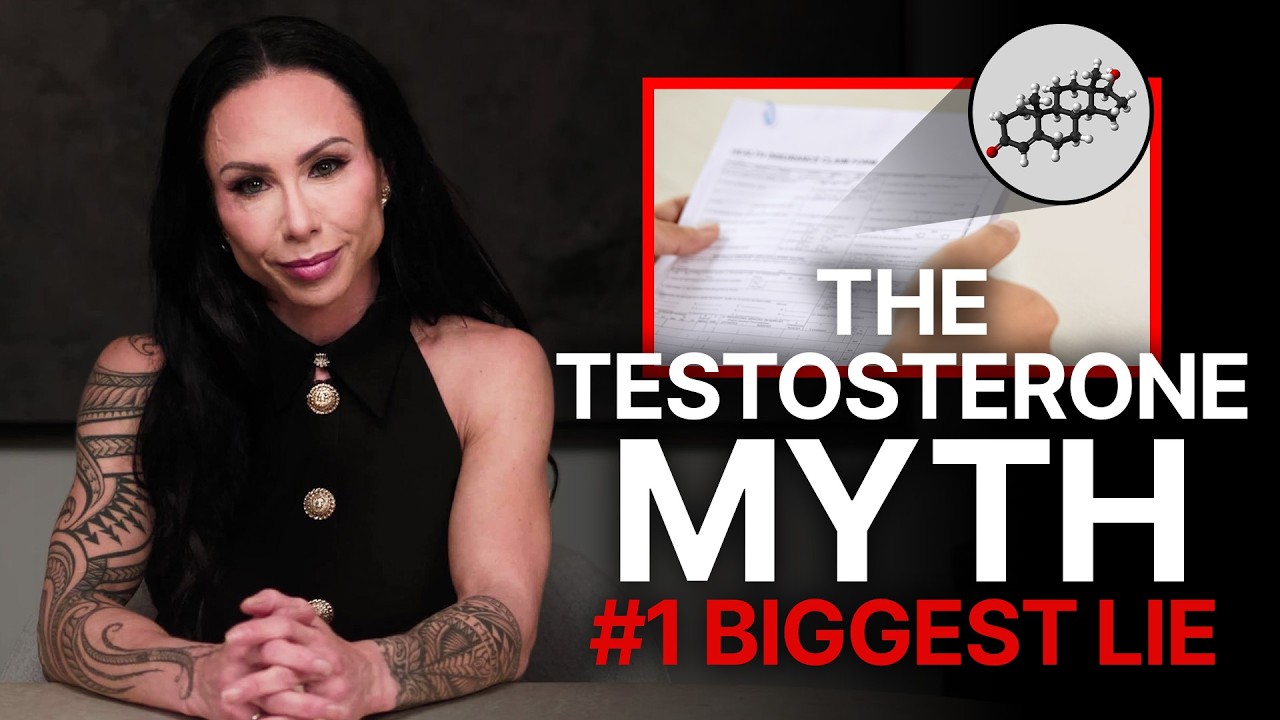
You were told your testosterone is “normal” so why do you still feel exhausted, weak, and off? The number on your lab report was never built for you, and your own genetics may be the reason it doesn’t match how you feel.
In this solo episode, Dr. Gabrielle Lyon discusses:
Why the standard 300–1000 ng/dL range ignores your age, comorbidities, and genetics, and why two men with identical labs can feel completely different
How CAG repeats determine whether your body “catches” the testosterone you produce, meaning you might need 400 to feel great while someone else needs 800
Why the 80-year-old fear that testosterone fuels prostate cancer is built on a single flawed 1941 study, and what the androgen saturation model proves instead
How everyday endocrine disruptors BPA in receipts, phthalates in personal care, atrazine in tap water quietly lower your testosterone even when you eat clean and train hard
The correct AUA testing protocol your doctor may be skipping: two early-morning, fasted measurements plus actual symptoms, not one afternoon blood draw
Understanding how your own body uses testosterone lets you walk into your doctor’s office armed with facts instead of frustration and stop being told you’re “fine” when you don’t feel it.
Thank you to our sponsors:
OneSkin – Get 15% off at https://bit.ly/4ekX9gt with code DRLYON
Explore More from Dr. Gabrielle Lyon
Premium Podcast Subscription: Ad-free episodes, key takeaway summaries, exclusive Q&A, and behind-the-scenes content https://foreverstrong.supercast.com
Weekly newsletter: Recipes, podcast updates, and practical weekly insights https://drgabriellelyon.com/sign-up/
Apply to become a patient: Personalized care with Dr. Lyon’s clinical team https://drgabriellelyon.com/new-patient-inquiry/
Connect with Dr. Gabrielle Lyon:
Instagram: https://www.instagram.com/drgabriellelyon/
TikTok: https://www.tiktok.com/@drgabriellelyon
X (Twitter): https://x.com/drgabriellelyon
Facebook: https://www.facebook.com/doctorgabriellelyon
Chapters
00:00 – Introduction
00:55 – Why one reference range fails everyone
01:45 – Men with normal labs who feel terrible
02:40 – Dismantling the prostate cancer myth ahead
03:40 – Testosterone decline by age data
04:30 – It’s comorbidities and environment, not just age
05:10 – Endocrine disruptors and how they work
06:30 – How EDCs lower testosterone
08:00 – Common offenders and where they hide
09:00 – Receipts, atrazine, and performance apparel
10:30 – Reducing your chemical exposure
11:45 – The prostate cancer paradigm shift
12:20 – The flawed 1941 study
13:00 – The androgen saturation model
14:00 – Testosterone therapy with prostate cancer data
15:00 – What happens when you block androgens
15:45 – Androgens and brain protection
16:45 – CAG repeats and genetic variability
18:30 – The rain and buckets analogy
19:30 – AUA testing and diagnosis protocol
21:00 – Symptoms, targets, and safe monitoring
22:15 – Muscle-centric application and recap
If you found this episode valuable, share it with someone who would benefit from it.
Disclaimers: This episode includes paid sponsorships.
The Dr. Gabrielle Lyon Podcast and YouTube are for general information purposes only and do not constitute the practice of medicine, nursing, or other professional health care services, including the giving of medical advice, and no doctor/patient relationship is formed. The use of information on this podcast, YouTube, or materials linked from this podcast or YouTube is at the user’s own risk. The content of this podcast is not intended to be a substitute for professional medical advice, diagnosis, or treatment. Users should not disregard or delay in obtaining medical advice for any medical condition they may have and should seek the assistance of their health care professional for any such conditions.