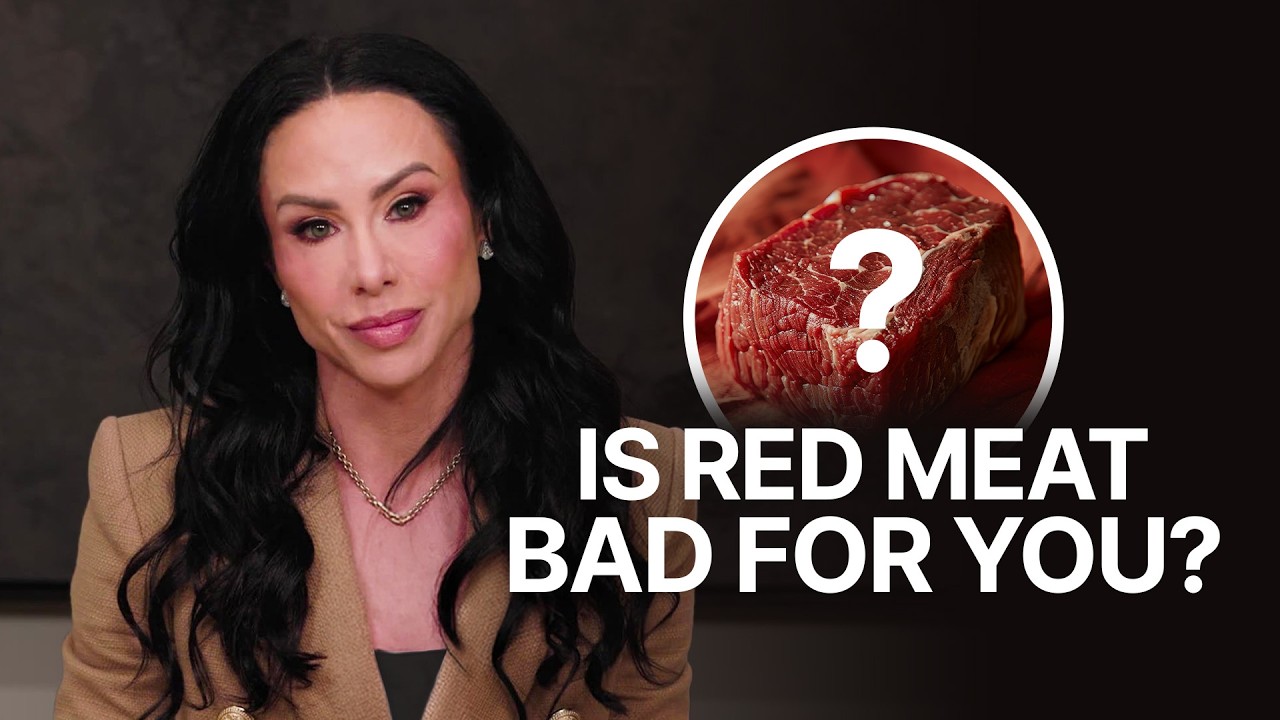
- Protein’s role in aging and muscle health
- Myths surrounding protein consumption and longevity
- Insights from longevity science related to protein intake
- Influence of protein sources on metabolic health
- Practical recommendations for dietary protein management
Protein serves numerous essential functions in the body, including the repair of tissues and the construction of muscles. As the body ages, maintaining muscle mass becomes crucial not just for mobility but also for metabolic health. The prevalent belief that higher protein intake is universally beneficial for longevity fails to recognize several underlying complexities. While muscle loss with age, known as sarcopenia, can be mitigated through adequate protein consumption, a simplistic approach to protein intake may lead to misconceptions.
One of the crucial points to consider is protein’s role in aging and muscle health. Research indicates that as individuals age, their bodies develop a reduced sensitivity to protein. This phenomenon, often termed "anabolic resistance," means that older adults may not respond to protein intake as effectively as younger individuals. Higher protein intake may seem beneficial, but it could lead to unintended consequences like increased fat deposition or a greater burden on the kidneys, particularly if consumed in excess. Thus, the narrative surrounding protein consumption and aging requires careful scrutiny to avoid blanket statements that could misguide dietary choices.
The myths surrounding protein consumption and longevity deserve attention. Many people assume that consuming excessive protein can directly promote longevity. However, research offers a more nuanced perspective. For instance, while protein is indispensable for muscle maintenance, diverse sources of protein vary widely in their impacts on overall health. Animal proteins, for example, can promote muscle synthesis but may also contribute to inflammation and other health issues if not balanced with plant-based sources. Understanding this balance is essential for adopting a sustainable and healthful approach to diet.
Insights from longevity science further illustrate the implications of protein intake. Studies have suggested that high protein diets in midlife could be associated with increased mortality, particularly regarding cancer and other metabolic diseases. This is attributed to the hormone IGF-1, which plays a significant role in cellular growth and can be stimulated by high protein consumption. Elevated levels of IGF-1 have been linked to accelerated aging and increased risk of diseases. Contrastingly, lower protein diets in older adults, particularly with an emphasis on plant-based protein sources, show promise for promoting longevity without compromising muscle health.
When discussing protein sources, the influence on metabolic health cannot be overlooked. Animal proteins, while rich in essential amino acids, may also be accompanied by saturated fats and other undesirable components. Plant-based proteins, in contrast, often come bundled with fiber, vitamins, and minerals that contribute positively to metabolic function. Recent studies reveal that diets high in plant proteins are correlated with lower incidences of metabolic diseases. These findings emphasize that not all proteins are equal; the source can make a significant difference in overall health and longevity.
Practical recommendations for dietary protein management involve establishing a balanced approach. It is essential for those considering their protein intake to assess not only the quantity but also the quality of the protein consumed. Older adults may benefit from spaced protein intake throughout the day to maximize muscle synthesis while minimizing health risks. Incorporating a variety of protein sources can also contribute to better health outcomes. Prioritizing plant-based proteins, such as legumes, whole grains, and nuts, alongside moderated portions of high-quality animal proteins could enhance metabolic health while supporting overall well-being.
In summary, while protein is vital for health, its relationship with aging is multifaceted. Attaching absolute values to protein consumption ignores the subtleties that differing proteins, their sources, and individual metabolic responses pose. Understanding these factors provides a clearer lens through which to view dietary choices related to protein and aging. By cultivating awareness around the complexities of protein intake and emphasizing a balanced diet rich in high-quality, diverse protein sources, individuals can make informed choices that align more closely with the latest scientific understandings of protein’s role in aging and overall health.
*****
Source Description
The longevity world has convinced a generation of women that protein is shortening their lives. The science says they’ve got it backwards and the people hurt most are the ones who need protein most.
In this episode, Dr. Gabrielle Lyon breaks down the protein-and-longevity fear, steelmans the strongest case against protein, then walks through what the evidence shows:
– The RDA (0.8 g/kg) is a deficiency floor, not a target, the intake one camp calls “dangerously high” is what federal guidelines and expert groups now recommend (1.2–1.6 g/kg)
– The IGF-1–cancer link is tiny (a 3–11% risk bump vs. smoking’s 1,000–2,000%), and the IGF-1–mortality curve is U-shaped: the lowest levels carry ~40% higher death risk
– Sarcopenia roughly doubles death risk (3.5× with frailty) and perimenopause stacks anabolic resistance on top, exactly when women are told to fear the foods that defend them
By the end, you’ll understand the mTOR and IGF-1 science well enough that nobody online can scare you off your own dinner, plus a simple Monday-morning plan: adequate protein, front-loaded, built on minimally processed foods, with heavy lifting to match.
Thank you to our sponsors:
BodyHealth – Use the code LYON20 to get 20% off your first order https://bit.ly/4f7ZqM5
Our Place – Upgrade your kitchen with Our Place today. Visit https://bit.ly/4vT4cEr and use code DRYLON for 10% off sitewide. That’s F-R-O-M-O-U-R-P-L-A-C-E DOT COM / D-R-L-Y-O-N and use code DRLYON for 10% off sitewide. With a 100-day trial, you can try it completely risk-free.
Lucy Get 20% off your next order with code DRLYON at https://lucy.co/, or find yours in store at https://bit.ly/4ybQCxH
Explore More from Dr. Gabrielle Lyon
Premium Podcast Subscription: Ad-free episodes, key takeaway summaries, exclusive Q&A, and behind-the-scenes content https://foreverstrong.supercast.com
Weekly newsletter: Recipes, podcast updates, and practical weekly insights https://drgabriellelyon.com/sign-up/
Apply to become a patient: Personalized care with Dr. Lyon’s clinical team https://drgabriellelyon.com/new-patient-inquiry/
Connect with Dr. Gabrielle Lyon:
Instagram: https://www.instagram.com/drgabriellelyon/
TikTok: https://www.tiktok.com/@drgabriellelyon
X (Twitter): https://x.com/drgabriellelyon
Facebook: https://www.facebook.com/doctorgabriellelyon
Chapters
00:00 – Introduction: Is Protein Really Shortening Your Life?
02:30 – Who the Protein Fear Hurts Most
03:29 – What mTOR Is (Two Complexes)
07:29 – The RDA Deception: High vs Low Protein
12:00 – The Falcone Reanalysis of Levine 2014
16:00 – The Strongest Case Against Protein
21:00 – Why Rodent Data Isn’t Human Data
26:08 – The IGF-1 Cancer Story, Link by Link
29:00 – The U-Shaped Mortality Curve
32:00 – Insulin, Carbs, and Active IGF-1
34:30 – Sarcopenia, Frailty, and Death Risk
35:55 – Perimenopause and Anabolic Resistance
38:00 – Red Meat, TMAO, and Plant Protein Myths
39:51 – The Honest Verdict: Processed Meat
44:00 – How Much Protein and Your Monday Plan
If you found this episode valuable, share it with someone who would benefit from it.
Disclaimers: This episode includes paid sponsorships.
The Dr. Gabrielle Lyon Podcast and YouTube are for general information purposes only and do not constitute the practice of medicine, nursing, or other professional health care services, including the giving of medical advice, and no doctor/patient relationship is formed. The use of information on this podcast, YouTube, or materials linked from this podcast or YouTube is at the user’s own risk. The content of this podcast is not intended to be a substitute for professional medical advice, diagnosis, or treatment. Users should not disregard or delay in obtaining medical advice for any medical condition they may have and should seek the assistance of their health care professional for any such conditions.