- Understanding the Key Principles of Fat Loss
- The Role of Muscle in Metabolic Health
- Importance of Insulin Sensitivity for Weight Management
- Practical Strategies for Sustained Fat Loss
- Myths and Misconceptions About Dieting
The Ultimate Fat Loss Guide with Dr. Gabrielle Lyon is a comprehensive resource that assists individuals on their journey to achieve sustainable fat loss. This article will offer insights into foundational principles of fat loss, the crucial role of muscle, the significance of insulin sensitivity, actionable strategies for effective fat management, and address common myths linked with dieting.
Understanding the fundamental principles of fat loss is essential for anyone looking to improve their health. At the core, fat loss occurs when the body burns more calories than it consumes. This energy deficit can be achieved through a combination of reduced caloric intake and increased physical activity. However, it is crucial to understand not all calories impact the body equally. The quality of the food consumed greatly affects metabolic processes. Nutrient-dense foods such as vegetables, whole grains, lean proteins, and healthy fats promote optimal health, whereas calorie-dense, nutrient-poor options may hinder metabolic efficiency.
A common misconception is that fat loss is simply about eating less. In reality, the type of food plays an integral role in determining the body’s hormonal responses. Foods rich in protein, for instance, can increase the thermic effect of food, meaning the body burns more calories during digestion. This principle underscores the importance of focusing on a balanced diet rather than just calorie counting.
The role of muscle in metabolic health cannot be overstated. Muscle tissue is metabolically active and burns more calories at rest compared to fat tissue. Therefore, increasing muscle mass through strength training can significantly enhance a person’s resting metabolic rate. This is particularly important for fat loss, as maintaining or increasing muscle while in a caloric deficit leads to a more favorable body composition.
Strength training has the added benefit of improving insulin sensitivity. This is crucial for effective weight management and overall health. Insulin is a hormone that regulates glucose levels in the blood. When insulin sensitivity is high, the body can utilize glucose effectively, which helps in reducing fat storage. Conversely, low insulin sensitivity, or insulin resistance, is often associated with metabolic diseases such as type 2 diabetes. Regular resistance training not only helps in building muscle but also in improving the body’s insulin response.
Understanding insulin sensitivity is vital for individuals aiming to lose weight. The body’s ability to process carbohydrates efficiently impacts hunger, energy levels, and fat storage. Poor insulin sensitivity can lead to increased appetite and cravings, creating a significant barrier to effective fat loss. Simple dietary interventions, such as increasing protein intake, choosing low-glycemic carbohydrates, and incorporating healthy fats, can significantly improve insulin sensitivity.
To facilitate sustainable fat loss, incorporating practical strategies is essential. Effective meal planning, tracking macronutrients, and engaging in regular physical activity are key components. Meal planning helps individuals choose nutrient-dense foods, ensure they meet their protein needs, and manage portion sizes. Furthermore, tracking macronutrients—proteins, fats, and carbohydrates—enables a clearer understanding of daily intake and helps in making informed choices.
Physical activity extends beyond structured exercise; it also includes daily movements such as walking, standing, and light activities. Incorporating more movement throughout the day can significantly impact overall caloric expenditure. Additionally, aiming for a mixture of aerobic training (like walking or cycling) and resistance training can create a well-rounded fitness regimen that not only aids fat loss but also enhances overall health.
Several misconceptions surrounding dieting need to be addressed for individuals striving for fat loss. One common myth is that all fats contribute to weight gain. In reality, healthy fat sources like avocados, nuts, and olive oil play various roles in metabolic health and satiety. They can help regulate hunger hormones, making it easier to avoid overeating.
Another prevalent belief is that carbohydrates should be avoided altogether for effective weight loss. While it is beneficial to limit highly processed carbohydrates, whole food sources such as fruits, vegetables, and grains provide essential nutrients and fiber. These foods not only support overall health but also assist in regulating blood sugar levels, contributing positively to fat loss efforts.
Intermittent fasting has gained popularity as a weight loss method. However, its effectiveness varies from person to person. While some individuals thrive on intermittent fasting due to improved appetite control and increased fat utilization, others may find it difficult to maintain. The key is to find a feeding schedule that works best for the individual’s lifestyle and metabolic needs.
Hydration also plays a critical role in fat loss. Many people underestimate the importance of water in weight management. Staying well-hydrated can aid in digestion, support metabolism, and help in controlling appetite. Often, feelings of hunger can be mistaken for thirst. Drinking water before meals may help individuals eat less and aid in the overall fat loss process.
Tempering expectations is vital for anyone embarking on a fat loss journey. Rapid weight loss may seem appealing, but it often leads to muscle loss and a subsequent decrease in metabolic rate. Sustainable fat loss tends to occur at a gradual rate, which is typically more maintainable in the long term. Setting realistic goals and celebrating small milestones fosters continued motivation.
Support systems can also enhance the prospect of sustaining fat loss. Whether through professional guidance, online communities, or friends and family, accountability plays a significant role in commitment. Sharing experiences, successes, and challenges creates a collaborative environment that fosters motivation and resilience.
Implementing consistency over perfection is another key concept in the fat loss guide. Striving for optimal adherence to a diet might not always be realistic. Allowing for occasional indulgences and not engaging in guilt when deviating from the plan can create a healthier relationship with food. This approach contributes to balanced eating habits and emotional well-being.
Behavioral changes often accompany a comprehensive fat loss strategy. Understanding triggers that lead to overeating or unhealthy food choices can help in developing effective coping mechanisms. Tools such as mindful eating or journaling for emotional reflection can be beneficial in recognizing patterns and promoting a more conscious approach to food.
In summary, the Ultimate Fat Loss Guide with Dr. Gabrielle Lyon presents a scientifically grounded approach to achieving sustainable fat loss. By understanding fundamental principles, recognizing the benefits of muscle mass, prioritizing insulin sensitivity, applying strategic changes, and addressing common misconceptions, individuals can navigate their journeys more effectively. This engaging and informative resource can empower readers to take control of their health and achieve their fat loss goals.
*****
Source Description
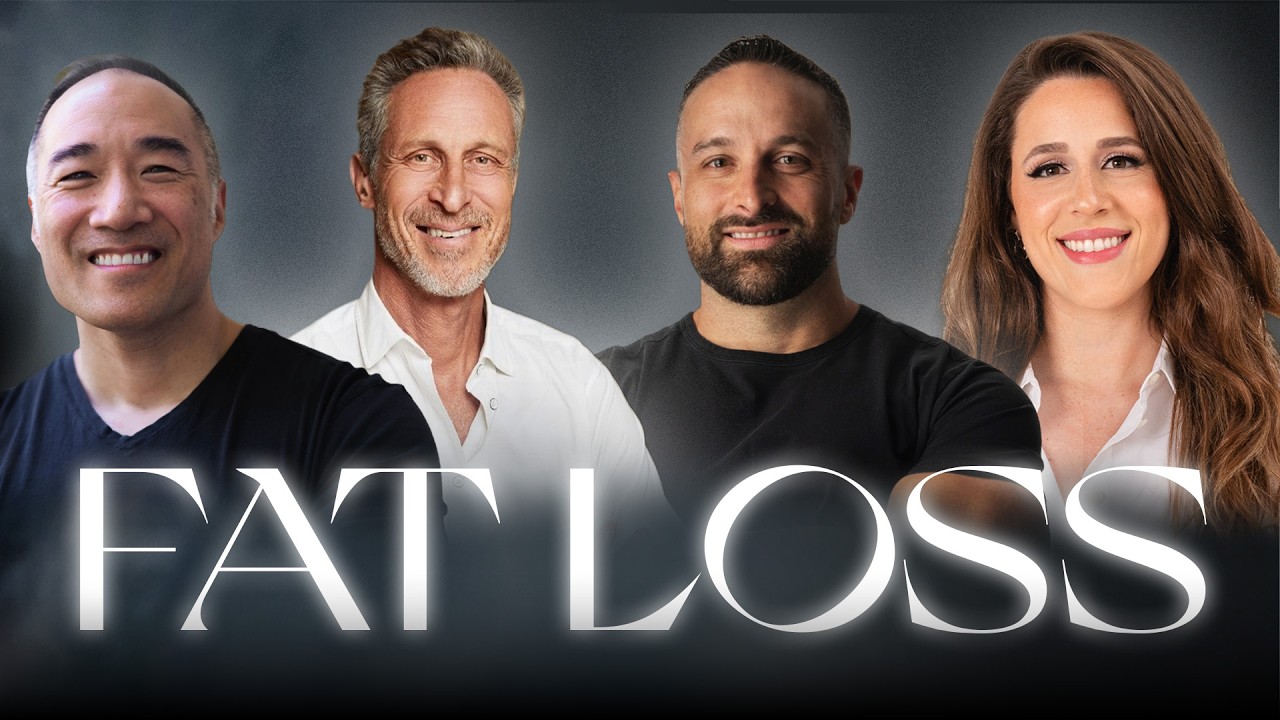
This episode brings together standout moments from The Forever Strong Experience featuring Dr. Mark Hyman, Layne Norton, Michelle Shapiro, and Alan Aragon.
They cut through nutrition noise to explain:
– How to eat for metabolic and muscle health long term
– Why protein and resistance training matter at every age
– How stress, mindset, and past experiences shape food choices
– What “Forever Strong” actually means in real life
If you want evidence-based guidance without extremes, this episode delivers clarity you can use.
Want ad-free episodes? Subscribe to Forever Strong Insider: https://foreverstrong.supercast.com
Thank you to our sponsors:
Our Place – Visit https://www.fromourplace.com/DRLYON and use code DRLYON for 10% off sitewide.
Four Sigmatic – Go to http://foursigmatic.com/gabrielle for a free bag of their dark roast ground coffee (just pay for shipping & handling).
Cozy Earth – Go to https://www.cozyearth.com/DRLYON for up to 20% off!
Chapters:
00:00:00 Cold open: The truth about nutrition (and personalization)
00:01:06 Why is it so hard to follow health advice?
00:03:07 What actually holds people back from progress?
00:05:26 When “clean eating” backfires
00:05:57 The nutrition “rule” that does more harm than good
00:06:37 Why medicine got obsessed with BMI and fat
00:08:47 Body composition fundamentals: what to do first
00:10:53 “Rules” for better body composition (practical guidelines)
00:13:20 Do you have to lift heavy to build muscle?
00:16:24 Strength vs hypertrophy: what matters most as you age
00:17:46 Sponsor: Our Place + What if muscle were taught as an organ system?
00:20:14 Is obesity actually the root cause?
00:21:24 Midlife: why “nothing’s working” (what’s really happening)
00:23:21 Is it metabolic change or lifestyle, sleep, and stress?
00:28:40 The most impactful shift for a muscle-centric nutrition plan
00:30:44 Food anxiety: can you scare yourself into being fit?
00:32:41 Digestion and absorption: making a muscle-centric lifestyle work
00:33:42 The truth about nutrition: eat real food, food is medicine, personalize
00:36:23 Sponsor: Four Sigmatic + Biggest myths in training and nutrition
00:44:06 One thing to stop doing immediately
00:45:31 Stress and the nervous system: how it affects digestion
00:46:29 Practical tips for staying consistent under high stress
00:48:09 The danger of sarcopenia (where we’re headed)
00:50:14 Midlife expectations: slower progress, better strategy
00:53:52 The long-term impact of eliminating food groups
00:55:04 Healing vs cutting foods: what to do instead
00:57:15 Sponsor: Cozy Earth + The myth you wish would die
01:01:21 Travel: how to create “safety” and stay fed
01:02:37 The airport backup plan (the “oh no” foods list)
01:04:49 Expected challenges: planning so you don’t act surprised
01:06:03 Boundaries and resistance training: what’s the standard?
01:07:43 Mindset, trauma, and wellness (ACE questionnaire)
01:13:13 Final question: What does “Forever Strong” mean to you?
Find Dr. Mark Hyman: https://www.instagram.com/drmarkhyman/
Find Layne Norton: https://www.instagram.com/biolayne/
Find Michelle Shapiro: https://www.instagram.com/michelleshapirord/
Find Alan Aragon https://www.instagram.com/thealanaragon/
Find Dr. Gabrielle Lyon at:
– Instagram: @drgabriellelyon
– TikTok: @drgabriellelyon
– Facebook: facebook.com/doctorgabriellelyon
– YouTube: youtube.com/@DrGabrielleLyon
– X (Twitter): x.com/drgabriellelyon
– Become a patient: https://strongmedical.com/apply-now/?utm_source=youtube&utm_medium=video&utm_campaign=strongmedical&utm_content=description
– Order The Forever Strong PLAYBOOK – https://drgabriellelyon.com/playbook/
Disclaimer: The Dr. Gabrielle Lyon Podcast and YouTube are for general information purposes only and do not constitute the practice of medicine, nursing, or other professional health care services, including the giving of medical advice, and no doctor/patient relationship is formed. The use of information on this podcast, YouTube, or materials linked from this podcast or YouTube is at the user’s own risk. The content of this podcast is not intended to be a substitute for professional medical advice, diagnosis, or treatment. Users should not disregard or delay in obtaining medical advice for any medical condition they may have and should seek the assistance of their health care professional for any such conditions.
This episode includes paid sponsorships.