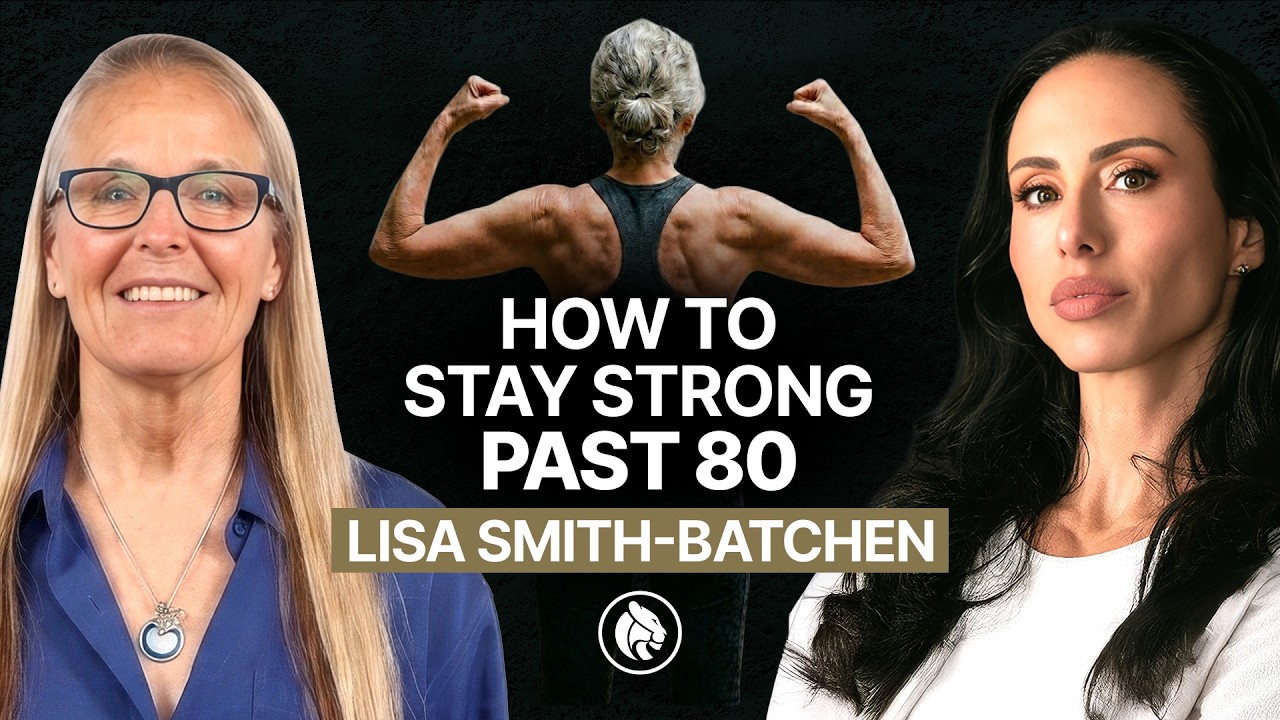
- Strength training significantly enhances muscle mass and strength after 50.
- Improved bone density correlates with resistance training.
- Cardiovascular health benefits are not exclusive to cardio exercises.
- Muscle plays a key role in longevity and metabolic health, especially with age.
- Resistance training can lead to better insulin sensitivity and metabolic function.
Strength training significantly enhances muscle mass and strength after 50. As individuals age, maintaining muscle mass becomes vital for overall health. Sarcopenia, the age-related loss of muscle, begins as early as the 30s but accelerates after 50. It can lead to weakened bones, decreased metabolic rate, and increased risk of falls. Engaging in regular strength training combats these effects by promoting muscle hypertrophy. Resistance exercises, such as weight lifting, can stimulate muscle protein synthesis, which is essential for building and repairing muscle tissue.
One key factor is that muscle mass directly influences metabolic rate. After 50, a higher muscle mass facilitates more efficient energy utilization, thus preventing weight gain. Given that metabolic health is crucial for longevity, strategies to increase muscle mass should be prioritized.
Improved bone density correlates with resistance training. After 50, bone density often declines, heightening susceptibility to fractures and osteoporosis. Strength training stimulates bone formation and enhances bone density through mechanical loading. This is achieved when muscles exert force on bones, triggering the body’s adaptive response to add bone density where it is most needed. Studies show that lifters engage in resistance training can experience up to a 5-10% increase in bone density compared to sedentary individuals.
Incorporating weight-bearing exercises that focus on the major muscle groups can lead to significant benefits. Squats, deadlifts, and upper body lifts not only target the muscles but also promote joint stability, further protecting against injuries.
Cardiovascular health benefits are not exclusive to cardio exercises. While aerobic activity is often extolled for heart health, strength training offers comparable benefits. Resistance exercises can improve cardiac function, increase circulation, and lower blood pressure. By effectively integrating strength training into a weekly regimen, older adults can experience improvements in cardiovascular health just as significant as those gained through traditional cardio workouts.
Additionally, increased muscle mass improves heart health by more effectively managing blood sugar levels and reducing cardiovascular risk factors. One study found that older adults participating in resistance training experienced a five-point decrease in systolic blood pressure, indicating a healthier cardiovascular profile.
Muscle plays a key role in longevity and metabolic health, especially with age. Muscle tissue is metabolically active, meaning it requires energy even at rest, which helps maintain a favorable metabolism. Stronger muscles can also improve balance and coordination, reducing the risk of falls, which represent a significant hazard for older adults.
Furthermore, enhanced muscle strength supports better physical performance in daily activities, making it easier for individuals over 50 to remain independent. The physical activity linked to resistance training is associated with increased longevity. Research has shown that older adults who engage in regular strength training have lower mortality rates compared to those who do not.
Resistance training can lead to better insulin sensitivity and metabolic function. As people age, insulin sensitivity tends to decrease, increasing the risk of metabolic disorders such as Type 2 diabetes. Strength training directly improves insulin sensitivity by aiding glucose uptake into muscle cells. Muscle contraction during exercise helps transport glucose from the bloodstream into muscle tissue, thereby lowering blood sugar levels.
This effect not only benefits those already dealing with diabetes but can also serve as a preventive measure for at-risk individuals. A study focusing on older women found that those who participated in a structured resistance training program showed a 12% improvement in insulin sensitivity, showcasing the significant impact strength training can have on metabolic health.
Psychological well-being is another important aspect of this discussion. Participating in strength training fosters a sense of accomplishment and empowerment. Improved physical capability often translates to enhanced confidence and mental health, which are crucial for overall quality of life.
Maintaining muscle mass is also linked to a decrease in body fat, which can factor into mental health. The hormonal changes that come with increased muscle can positively influence mood and cognitive function. In contrast, excessive cardio can lead to muscle loss if not supplemented appropriately, potentially compromising both psychological health and physical independence.
For optimal health after 50, balancing strength and aerobic activities is essential. Engaging in both types of exercise can maximize benefits. That said, prioritizing strength training can lead to superior outcomes concerning muscle mass, bone density, and metabolic health.
Nutrition plays a significant role in supporting these endeavors. Protein intake, in particular, is essential for muscle repair and growth. Older adults often require higher amounts of protein to stimulate muscle protein synthesis effectively. Experts typically recommend that older individuals consume between 1.2 and 2.0 grams of protein per kilogram of body weight daily. High-quality protein sources, such as lean meats, fish, legumes, and dairy, should be integrated into meals to support muscle development.
Moreover, strategies to enhance nutrient absorption become crucial as individuals age. Optimal intake of vitamins and minerals, particularly Vitamin D and calcium, helps support both muscle and bone health. Adequate hydration is also essential, as water plays a pivotal role in metabolic function and muscle recovery.
Tracking progress can further enhance motivation and foster a sense of achievement. Adults over 50 should consider working with trainers who specialize in developing tailored strength programs that adapt to individual needs, preferences, and levels of capability. Utilizing progressive resistance and feedback tailored to performance can lead to continuous improvements and reduce the likelihood of injury.
Before initiating any new exercise regimen, especially if pre-existing health conditions or concerns exist, consulting healthcare professionals is critical. They can provide tailored advice, ensuring that chosen exercises align with personal health requirements and limitations.
Incorporating strength training has lasting implications. While cardio exercises have their place, they should not overshadow the importance of building muscle and enhancing overall physical capacity.
Adopting a comprehensive approach that includes regular strength training will cultivate lasting improvements in health, longevity, and quality of life for individuals over 50. The ongoing battle against age-related decline can be effectively fought through resistance training, promoting muscle health and optimal metabolic function, thus contributing to a healthier, more vibrant life.
*****
Source Description
You might think more cardio is the key to aging well but Lisa Smith-Batchen, who has run 135 miles through Death Valley ten times, says it’s strength that actually carries you through the decades.
In this episode, Dr. Gabrielle Lyon sits down with Lisa Smith-Batchen, one of the most decorated ultra-endurance athletes in American history and a 10-time Badwater 135 finisher, to discuss:
– Why being strong matters more than being fast and why “it’s not the running that helps me run, it’s being strong”
– The first movement everyone should train at any age: sit to stand, followed by squats, wall sits, lunges, and pushups
– Why cutting protein after 60 backfires, and why Lisa fuels on roughly 80% protein calories during races
– How to start lifting late, her 85-year-old client went from 5-pound weights to 230-pound farmer carries
– The fall that ended her father’s life, and why “pick your feet up” became her mission for aging athletes
You’ll walk away with a clear, muscle-first blueprint for staying strong, mobile, and independent for life and the motivation to start today instead of waiting for another Monday.
Thank you to our sponsors:
Cozy Earth – Go to https://bit.ly/44qcXtu for up to 20% off!
Lucy – Get 20% off your next order with code DRLYON at https://bit.ly/3QEpYMX or find yours in store at https://bit.ly/3SGAEv3 .
Kettle & Fire – Head to https://bit.ly/4oJokGu and use code DRLYON for 25% off sitewide. That is K-E-T-T-L-E and Fire dot com slash DRLYON, code DRLYON for 25% off. Also available at select Sprouts, Whole Foods, and Kroger locations nationwide.
Explore More from Dr. Gabrielle Lyon
Premium Podcast Subscription: Ad-free episodes, key takeaway summaries, exclusive Q&A, and behind-the-scenes content https://foreverstrong.supercast.com
Weekly newsletter: Recipes, podcast updates, and practical weekly insights https://drgabriellelyon.com/sign-up/
Apply to become a patient: Personalized care with Dr. Lyon’s clinical team https://drgabriellelyon.com/new-patient-inquiry/
Find Lisa Smith-Batchen at:
Website: https://dreamchaserevents.com/
Instagram: https://www.instagram.com/coachlisasmithbatchen
Facebook: https://www.facebook.com/lisa.smithbatchen
Connect with Dr. Gabrielle Lyon:
Instagram: https://www.instagram.com/drgabriellelyon/
TikTok: https://www.tiktok.com/@drgabriellelyon
X (Twitter): https://x.com/drgabriellelyon
Facebook: https://www.facebook.com/doctorgabriellelyon
Chapters
00:00 – Introduction
02:10 – From marathon to the Badwater 135
05:31 – The first race and learning the hard way
06:41 – Inside the pain cave
13:46 – Why she went back ten times
16:51 – Bonking, hydration, and what changed
21:12 – Finding your why
28:04 – Running for something greater
33:25 – Strong over fast: the real secret
35:59 – The lifting myths men and women believe
44:13 – Where a beginner should start
47:02 – Sit to stand: the non-negotiable move
48:56 – The habit that killed her father
51:11 – Why falls are so devastating
54:14 – The danger of low-protein advice for older adults
59:00 – Stop waiting for Monday
01:01:37 – Fueling: protein, sodium, and calories per hour
01:13:01 – Why a DNF isn’t failure
01:18:13 – Unfinished business and the right choice
If you found this episode valuable, share it with someone who would benefit from it.
Disclaimers: This episode includes paid sponsorships.
The Dr. Gabrielle Lyon Podcast and YouTube are for general information purposes only and do not constitute the practice of medicine, nursing, or other professional health care services, including the giving of medical advice, and no doctor/patient relationship is formed. The use of information on this podcast, YouTube, or materials linked from this podcast or YouTube is at the user’s own risk. The content of this podcast is not intended to be a substitute for professional medical advice, diagnosis, or treatment. Users should not disregard or delay in obtaining medical advice for any medical condition they may have and should seek the assistance of their health care professional for any such conditions.