- The impact of diet on fertility: what to know
- Understanding insulin sensitivity and metabolic health
- The role of sexual habits in reproductive health
- Nutritional strategies to enhance fertility
- Lifestyle changes for optimal fertility outcomes
Diet and fertility are closely linked; specific nutritional choices can significantly influence reproductive health. Studies indicate that certain dietary patterns can directly affect hormonal balance, ovulation, and sperm quality. A well-balanced diet fosters a healthy body weight and maintains optimal hormone levels. Key nutrients such as folate, omega-3 fatty acids, and antioxidants play crucial roles in supporting reproductive processes.
Insulin sensitivity is another critical factor in the context of fertility. Insulin, a hormone that regulates blood sugar levels, influences various metabolic pathways. Poor insulin sensitivity often leads to weight gain and conditions like polycystic ovary syndrome (PCOS) in women, which can disrupt menstrual cycles and limit ovulation. In men, insulin resistance can impair testosterone production, affecting sperm quality and overall fertility potential.
Sexual habits may also contribute to fertility outcomes. Factors such as frequency of intercourse, timing within the menstrual cycle, and even the emotional state during sexual activity can all affect reproductive success. For instance, having regular intercourse around the time of ovulation increases the chances of conception. Conversely, intense stress, often exacerbated by sexual performance anxiety, can interfere with hormonal function and lead to reproductive challenges.
Those looking to enhance their fertility should consider integrating specific nutritional strategies. A diet rich in whole foods, such as fruits, vegetables, whole grains, and lean proteins, provides essential vitamins and minerals. Omega-3 fatty acids, commonly found in fatty fish, flaxseeds, and walnuts, can help reduce inflammation and improve insulin sensitivity. Incorporating anti-inflammatory foods, such as leafy greens and berries, can also bolster overall metabolic health.
Lifestyle changes are equally vital for improving fertility outcomes. Regular physical activity promotes a healthy body weight, enhances insulin sensitivity, and can improve mood, all of which are essential for reproductive health. Stress management techniques, such as mindfulness, yoga, or meditation, can help lower cortisol levels, which may positively impact hormonal balance and fertility.
The significance of maintaining a balanced diet extends beyond just fertility; it sets the stage for healthy pregnancies and optimal long-term health for both parents and children. Exploring the relationship between diet, insulin sensitivity, and sexual habits allows for a more comprehensive understanding of factors impacting fertility.
A nutritious diet is not just about eating fruits and vegetables; it also includes limiting processed foods and added sugars. These foods can contribute to weight gain and increased insulin resistance, creating a cycle detrimental to reproductive health. A careful approach to nutrition, characterized by moderation and a focus on whole foods, is recommended.
Hydration cannot be overlooked. Adequate water intake is crucial for optimal bodily functions, including digestion and nutrient absorption. Dehydration may also affect hormone levels and reproductive health. Drinking enough fluids daily helps ensure that the body operates efficiently, which is critical for those trying to conceive.
Vitamin and mineral deficiencies can also impede fertility. For example, deficiencies in vitamin D and zinc have been linked to reduced fertility outcomes in both men and women. It is vital for individuals and couples to have their nutrient status assessed and corrected as necessary.
Healthy fats are particularly important. The incorporation of unsaturated fats and omega-3 fatty acids can support hormone production and improve the overall reproductive system. These fats are often found in foods like avocados, nuts, seeds, and olive oil. Reducing saturated fats from processed and fried foods can also positively shift metabolic profiles.
Additionally, a diet containing fiber from whole grains and legumes can assist in maintaining healthy blood sugar levels. Stable blood sugar contributes to stable hormone levels, crucial for reproductive function. Fiber can help modulate insulin sensitivity and control weight, both essential for encouraging optimal fertility scenarios.
The effects of environmental toxins cannot be ignored either. Chemicals found in plastics, pesticides, and personal care products may disrupt endocrine function and negatively influence fertility. Minimizing exposure to such substances, while focusing on organic produce and safe food storage options, can help protect reproductive health.
Physical activity is not just beneficial for maintaining an ideal weight; regular exercise has the added advantage of improving insulin sensitivity. Engaging in activities like brisk walking, swimming, or resistance training can enhance blood circulation and metabolic function. However, excessive exercise can have the opposite effect, especially in women, potentially leading to missed periods or anovulation.
The emotional component plays a significant role in the context of sexual habits and fertility. Emotional stress can influence hormonal balance and create cycles of anxiety that further hinder fertility. Developing emotional resilience through practices like therapy, meditation, or support groups can not only improve mental health but also promote a conducive environment for conception.
Timing sexual intercourse around the ovulation cycle is crucial. Women typically have a narrow window each month when they can conceive. Tracking ovulation through methods such as basal body temperature or ovulation predictor kits can aid in identifying the best times for conception.
Sexual health is fundamentally linked to overall health. Conditions such as sexually transmitted infections (STIs) can impair fertility. Regular medical checkups and open communication with partners about sexual health are vital for addressing any potential fertility barriers early on.
Maintaining a healthy relationship can also create a supportive environment that enhances fertility. Partners should communicate openly about their feelings, concerns, and expectations surrounding conception. This emotional bond can help reduce stress and foster a mindset more conducive to beginning a family.
Though some people may face inherent challenges to fertility due to genetic or medical conditions, understanding and modifying lifestyle factors is within reach. Engaging with a healthcare professional can provide personalized recommendations, aiding efforts to optimize reproductive health.
Additionally, annual screenings can assess reproductive health and identify any underlying issues. These may include hormonal imbalances, STIs, or chronic conditions such as diabetes. Early intervention can mitigate potential challenges and increase the likelihood of successful conception.
Monitoring overall health through routine check-ups allows individuals to remain informed about their bodies. This awareness can guide necessary lifestyle modifications or nutritional changes to support fertility.
In aiming for optimal fertility, individuals should prioritize healthful habits, control stress levels, and create an environment that encourages reproductive success. The interaction between diet, insulin sensitivity, and sexual habits holds immense implications for reproductive health. By making informed choices, individuals can cultivate a fertile environment in their lives.
Ultimately, fertility is influenced by a complex interplay of lifestyle factors. Understanding this multifaceted relationship empowers individuals and couples to take proactive steps in enhancing their reproductive health. Making nutrition-focused decisions, engaging in regular physical activity, and fostering emotional wellness can significantly improve overall fertility outcomes.
*****
Source Description
Male fertility is declining and most men have no idea why.
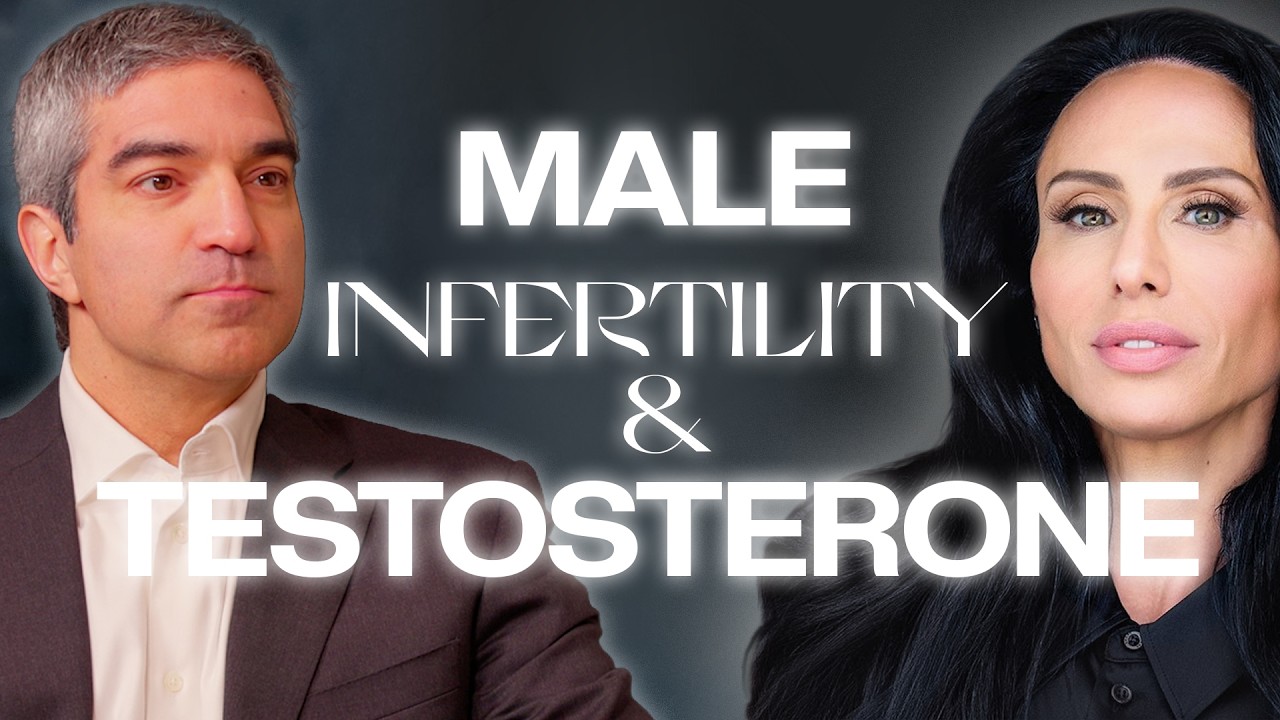
In this episode of The Dr. Gabrielle Lyon Show, Dr. Gabrielle Lyon sits down with Dr. Michael Eisenberg, Director of Male Reproductive Health at Stanford University and Chief Medical Advisor of SwimClub, to break down what truly determines sperm health and reproductive success.
They discuss:
– How metformin, GLP-1 medications, testosterone therapy, and anabolic steroids affect male fertility
– Why sperm count is a powerful biomarker for long term health and longevity
– The role of sleep, muscle mass, exercise, diet, marijuana, and environmental toxins like microplastics
– Whether platelet rich plasma, or PRP, can help severe male infertility
– Daily habits that quietly reduce a couple’s chances of conceiving
If you care about fertility, hormones, metabolic health, or the future of men’s health, this conversation is essential.
Want ad-free episodes? Subscribe to Forever Strong Insider: https://foreverstrong.supercast.com
Thank you to our sponsors:
– BodyHealth – Get 20% off your first order with code LYON20 https://www.bodyhealthaffiliates.com/73L4QL3/7XDN2/
– Carol Bike – Visit https://carolbike.com/ and use code LYON for $100 off your CAROL Bike
– OneSkin – Get 15% off at https://www.oneskin.co/ with code DRLYON
Find Dr. Michael Eisenberg at:
– Eisenberg Lab: https://med.stanford.edu/eisenberglab.html
– LinkedIn: https://www.linkedin.com/in/michael-eisenberg-9230a429
– X: https://x.com/DrMEisenberg
– Chief Medical Officer of the SwimClub: https://swimclub.co/
Find Dr. Gabrielle Lyon at:
– Instagram: https://www.instagram.com/drgabriellelyon/
– TikTok: @drgabriellelyon
– Facebook: facebook.com/doctorgabriellelyon
– YouTube: youtube.com/@DrGabrielleLyon
– X (Twitter): x.com/drgabriellelyon
– Apply to become a patient – https://drgabriellelyon.com/new-patient-inquiry/
– Join my weekly newsletter – https://institute-for-muscle-centric-medicine.ck.page
– Order the Playbook – https://www.amazon.com/exec/obidos/ASIN/1668085623
Chapters:
00:00 Sex habits, libido, GLP-1s, and what counts as male infertility
01:46 Metformin and male fertility, what the Denmark study found
07:27 How long sperm take to regenerate after meds, illness, or chemo
09:24 GLP-1 medications, weight loss, and semen quality in men
10:52 Testosterone therapy, anabolic steroids, and why sperm shuts down
16:41 Sperm as a vital sign, fertility as a window into long term health
19:14 Microplastics and environmental toxins found in semen
22:21 Paternal age and sperm quality, DNA fragmentation and pregnancy risk
26:03 Supplements and nutrients for sperm quality, what matters and why
30:00 Sex frequency, masturbation, libido, and fertility myths
35:38 Male infertility guidelines and medications that quietly lower fertility
48:41 Semen quality and future disease risk, diabetes, cancer, mortality
54:45 Anabolic agents, sperm banking, and how long frozen sperm lasts
1:04:14 PRP for severe male infertility, azospermia and real outcomes
1:16:41 New frontiers in male fertility, immune profiles, genomics, omics
Disclaimers: This episode includes paid sponsorships.
The Dr. Gabrielle Lyon Podcast and YouTube are for general information purposes only and do not constitute the practice of medicine, nursing, or other professional health care services, including the giving of medical advice, and no doctor/patient relationship is formed. The use of information on this podcast, YouTube, or materials linked from this podcast or YouTube is at the user’s own risk. The content of this podcast is not intended to be a substitute for professional medical advice, diagnosis, or treatment. Users should not disregard or delay in obtaining medical advice for any medical condition they may have and should seek the assistance of their health care professional for any such conditions.
