- Understanding the Phases of the Menstrual Cycle
- The Role of Hormones and Insulin Sensitivity
- Insights into Polycystic Ovary Syndrome (PCOS)
- Nutrition’s Impact on Hormonal Balance
- Strategies for Enhancing Fertility
The menstrual cycle is a complex process involving a series of physiological changes driven primarily by hormones. Understanding the phases of the menstrual cycle is crucial for women, particularly in the context of fertility and health. The cycle can be divided into four key phases: the menstrual phase, the follicular phase, ovulation, and the luteal phase. Each phase plays a distinct role in women’s reproductive health, and awareness of these phases can empower individuals to better manage their bodies.
During the menstrual phase, which lasts for approximately three to seven days, the uterine lining sheds if fertilization has not occurred. This process is marked by menstruation and can vary significantly in intensity and duration among women. Following this phase is the follicular phase, where follicle-stimulating hormone (FSH) encourages the growth of ovarian follicles. This phase is an opportune time for women to focus on overall health, as the body prepares for potential conception.
Ovulation occurs around the midpoint of the cycle, usually between days 13 and 15. The surge of luteinizing hormone (LH) triggers the release of a mature egg from the ovary. This is the most fertile window of the cycle, making it crucial for women attempting to conceive. The luteal phase follows ovulation and lasts about 14 days, during which progesterone levels rise to prepare the body for possible pregnancy. If conception does not happen, hormone levels drop, signaling the start of the next cycle.
Hormones have a profound influence on various body functions, including metabolism, mood, and reproductive health. The interplay of these hormones is particularly relevant when discussing insulin sensitivity. Insulin plays a vital role in regulating blood sugar levels and is intricately linked to hormone balance. Women with insulin resistance may find their menstrual cycles affected, often experiencing irregularities that can hinder fertility.
Polycystic Ovary Syndrome (PCOS) serves as a pertinent example of how hormonal imbalances can adversely affect reproductive health. PCOS is characterized by the presence of multiple cysts in the ovaries and is associated with an imbalance of estrogen and progesterone. Women with PCOS often exhibit insulin resistance, leading to increased androgen levels that can interfere with regular ovulation. Understanding the connection between PCOS and hormonal health underscores the importance of monitoring and managing these conditions for reproductive success.
Diet and nutrition play critical roles in hormonal balance. A well-balanced diet can significantly impact insulin sensitivity and overall reproductive health. Incorporating whole foods rich in fiber, healthy fats, and lean proteins can support hormonal equilibrium. Research indicates that a diet low in refined carbohydrates and sugars may enhance insulin sensitivity, which is crucial for managing conditions like PCOS. These dietary modifications can lead to weight management and improved fertility outcomes.
Focusing on anti-inflammatory foods can further assist in balancing hormones. Foods rich in omega-3 fatty acids, like fish and walnuts, have been linked to decreased insulin resistance. Similarly, fruits and vegetables rich in antioxidants can combat oxidative stress, which is often heightened in those with hormonal imbalances. Overall, nutrition should be viewed as a foundational element of health, particularly concerning hormonal function and reproductive success.
To enhance fertility, a multi-faceted approach is often necessary. Lifestyle changes that include regular physical activity, stress management, and sleep hygiene can complement dietary modifications. Regular exercise not only aids in weight management but also improves insulin sensitivity, stabilizing blood sugar levels. Finding effective ways to reduce stress, such as yoga or mindfulness practices, can also help mitigate hormonal fluctuations.
Sleep is often undervalued yet plays a significant role in hormone regulation. Lack of adequate sleep can disrupt hormone levels, leading to complications such as insulin resistance. Establishing consistent sleep patterns can facilitate optimal hormonal function and improve overall health.
It’s vital for women navigating their menstrual cycle, especially those facing challenges like PCOS or fertility issues, to consider how their lifestyle choices impact hormonal balance. By understanding the interconnectedness of hormones, insulin sensitivity, and nutrition, individuals can cultivate an environment conducive to reproductive health.
Awareness of one’s cycle can enhance insights into individual health and well-being. Tools like menstrual tracking apps can provide valuable information and promote a deeper understanding of how diet, activity, and emotional health affect the menstrual cycle. This knowledge empowers women to make informed decisions that can enhance reproductive health throughout their lives.
Research is increasingly revealing the nuances of hormonal interactions and their impact on various aspects of women’s health. While traditional views largely focused on reproductive hormones, new studies emphasize the vital importance of factors like insulin and inflammation. This holistic view of hormonal health opens up new avenues for treatment and lifestyle modifications, addressing not just the symptoms but the underlying causes of hormonal imbalance.
Taking proactive measures can substantially improve quality of life for women experiencing hormonal imbalance or fertility challenges. From nutritional alterations to lifestyle adjustments, the potential for enhancement is significant and can create a beneficial ripple effect across all areas of health.
Ultimately, understanding the menstrual cycle, the role of hormones, and the interaction with diet and lifestyle allows women to take charge of their health. Each phase of the cycle holds valuable insights that can inform decisions around nutrition, exercise, and overall wellness strategies. As more women engage with this knowledge, they gain the tools to foster better reproductive health and overall well-being.
*****
Source Description
Pre-Order The Forever Strong PLAYBOOK: https://drgabriellelyon.com/playbook/
Subscribe to Forever Strong Insider: https://foreverstrong.supercast.com
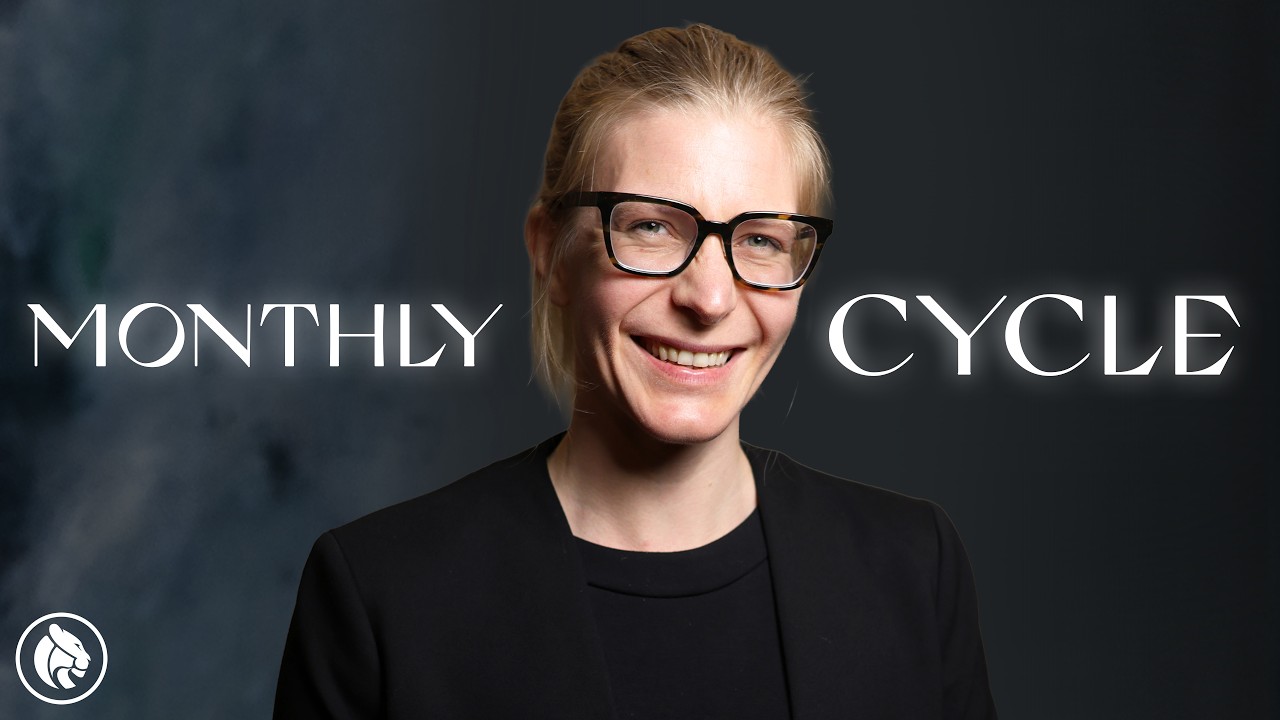
In this episode, Dr. Gabrielle Lyon sits down with Dr. Heidi van den Brink; one of the only scientists in the world studying the ovarian transition from fertility to menopause. Together, they unpack what textbooks and wellness influencers often miss: the biology behind how your ovaries, uterus, metabolism, and nutrition interact across every stage of a woman’s life.
Dr. Heidi reveals the never-before-seen dynamics of the ovarian cycle, how follicles develop in “waves,” and what really happens during the menopause transition. They discuss how undernutrition, obesity, and metabolic health shape reproductive hormones; why early menarche and delayed ovulation matter for long-term health; and the surprising connection between your gut microbiome, bile acids, and fertility.
If you’ve ever been told to “balance your hormones” with seed cycling, apps, or supplements, this episode separates myths from mechanisms. It’s a masterclass in understanding the science of your hormones and how to truly support reproductive health through every decade of life.
Chapter Markers
0:00 – Can You Get Pregnant While on Your Period?
1:21 – Intro to Dr. Heidi & Ovarian Cycle Research
3:39 – The Uterine Cycle vs. The Ovarian Cycle
6:19 – Follicle Waves: The Hidden Drama in Your Ovaries
10:38 – Novel Discovery: Follicle Waves in the Luteal Phase
12:00 – Why One Follicle is Selected for Ovulation
13:17 – Does Nutrition Affect Ovarian Function?
14:48 – The Variation in Menstrual Cycles (It’s Not Always 28 Days)
17:23 – The Impact of Obesity on the Ovarian Cycle
18:11 – The Problem of Luteal Phase Defects & Fertility
24:52 – Ovarian Morphology as a Bio-Marker of Health
26:54 – How Undernutrition Affects Ovarian Health
31:56 – The Metabolic Tipping Point of PCOS (Polycystic Ovary Syndrome)
33:26 – The Myth of the “String of Pearls” Ovary
35:25 – The Menopause Transition & Rogue Follicles
39:04 – Can We Predict Menopause by Scanning Ovaries?
45:59 – Early Menarche (First Period) and Long-Term Disease Risk
48:33 – The Surprising Link Between Puberty Timing and Environment
52:28 – The Role of Leptin in Reproductive Health
55:50 – Debunking the Myth: Can Nutrition Cure PCOS?
59:07 – PCOS Diet Myths (Fruit, Timing, and Supplements)
1:04:40 – Fish Oil for Menstrual Cramps (Dysmenorrhea)
1:08:37 – Breakthrough: Bile Acid, The Gut Microbiome, and Ovulation
1:11:50 – Closing Remarks
Who is Heidi Vanden Brink:
Dr. Vanden Brink is a reproductive physiologist with over a decade of research in nutrition, metabolism, and female reproductive health. Her work focuses on how diet and metabolic conditions like obesity influence reproductive development during adolescence, with the goal of preventing disorders such as PCOS.
Find Heidi Vanden Brink at:
– Texas A&M University: https://nutrition.tamu.edu/people/vanden-brink-heidi/
– Google Scholar: https://scholar.google.com/citations?user=ZzOJRY0AAAAJ&hl=en
Find Dr. Gabrielle Lyon at:
– Instagram:@drgabriellelyon
– TikTok: @drgabriellelyon
– Facebook: facebook.com/doctorgabriellelyon
– YouTube: youtube.com/@DrGabrielleLyon
– X (Twitter): x.com/drgabriellelyon
– Apply to become a patient – https://drgabriellelyon.com/new-patient-inquiry/
– Join my weekly newsletter – https://institute-for-muscle-centric-medicine.ck.page
– Pre-order my new book – https://www.amazon.com/exec/obidos/ASIN/1668085623
This episode is brought to you by:
– BON CHARGE – Use code DRLYON to get 15% off your entire order – https://boncharge.com/DRLYON
– Timeline – Get 20% off your order at https://timeline.com/LYON
Disclaimer: The Dr. Gabrielle Lyon Podcast and YouTube are for general information purposes only and do not constitute the practice of medicine, nursing, or other professional health care services, including the giving of medical advice, and no doctor/patient relationship is formed. The use of information on this podcast, YouTube, or materials linked from this podcast or YouTube is at the user’s own risk. The content of this podcast is not intended to be a substitute for professional medical advice, diagnosis, or treatment. Users should not disregard or delay in obtaining medical advice for any medical condition they may have and should seek the assistance of their health care professional for any such conditions.