- The neural pathways associated with self-doubt.
- The impact of diet on mental health and self-perception.
- Techniques for rewiring the brain to combat self-doubt.
- The relationship between insulin sensitivity and emotional well-being.
- Practical lifestyle adjustments to foster a positive self-image.
The human brain is a complex organ, responsible for a multitude of functions that define our thoughts, emotions, and behaviors. Within this intricate network, self-doubt emerges as a common yet profound experience. Understanding the neuroscience of self-doubt is crucial in developing strategies to rewire one’s brain for a healthier mindset.
Every thought we experience triggers a unique neural pathway. These pathways are formed and shaped by experiences and repeated behaviors. Self-doubt often manifests through a cycle of negative thoughts that reinforce each other. Activating certain neural circuits enhances the perception of inadequacy, thereby perpetuating a cycle that is difficult to break. Neuroscience shows that self-doubt can create a feedback loop between negative thinking and emotional responses, such as anxiety and depression, leading to impairment in decision-making and performance.
The way diet influences our brain’s functioning is a significant area of discussion. Nutritional choices not only fuel our bodies but also impact our mental state and cognitive functions. Essential nutrients like omega-3 fatty acids, vitamins, and minerals play a pivotal role in maintaining brain health. For example, omega-3 fatty acids are known to facilitate the production of serotonin, a neurotransmitter that helps stabilize mood. An imbalance in diet can lead to nutritional deficiencies, affecting neurotransmitter synthesis and potentially exacerbating feelings of self-doubt. It is crucial to focus on whole, nutrient-dense foods that support cognitive functioning, effectively contributing to a favorable self-image.
Moreover, inflammation within the body, often linked to poor dietary choices, can also affect mood regulation. High levels of refined sugars and unhealthy fats can lead to a state of chronic inflammation. This inflammation can influence the brain’s circuitry, making it more susceptible to negative thoughts and self-doubt. On the other hand, anti-inflammatory diets rich in fruits, vegetables, whole grains, and healthy fats can support mental health and, in turn, reduce self-doubt.
Rewiring the brain to combat self-doubt often requires active engagement in various practices. Cognitive Behavioral Therapy (CBT) is one well-researched method that addresses negative thought patterns. CBT encourages re-evaluating irrational beliefs and replacing them with more balanced perspectives. By consistently practicing these cognitive shifts, individuals can establish new neural pathways that promote confidence and self-acceptance over time.
Mindfulness and meditation also play an essential role in reshaping brain function. Engaging in regular mindfulness practices can enhance awareness of one’s thoughts, allowing individuals to identify self-doubt as just fleeting mental events rather than definitive truths. Studies show that mindfulness can alter brain structures, including increasing gray matter in regions responsible for emotional regulation and cognitive processing.
Insulin sensitivity serves as another critical factor with implications for both physical and mental health. When insulin sensitivity is impaired, it can lead to metabolic issues that not only affect physical health but can also influence emotional balance. High insulin levels can be associated with anxiety and mood fluctuations, which may contribute to a cycle of self-doubt. Maintaining good insulin sensitivity through balanced meals, regular exercise, and proper sleep patterns can help stabilize mood and emotional well-being.
Building a supportive lifestyle conducive to positive self-image involves a multifaceted approach. Eating well-balanced meals that support brain function while also fostering an environment of emotional resilience is essential. Regular physical activity not only improves insulin sensitivity but also releases endorphins, known as the body’s natural mood lifters. Engaging in exercises like yoga or strength training can also enhance self-esteem and reduce feelings of inadequacy.
Hydration is equally important. Water is vital for cellular functions, including those in the brain. Dehydration can lead to decreased cognitive performance and increased irritability, which can worsen self-doubt. Drinking adequate amounts of water throughout the day supports essential brain functions and keeps mood more balanced.
Sleep is another cornerstone for mental well-being. Sleep deprivation can significantly impact thought processes and emotional regulation. Lack of sleep can lead to increased stress levels, higher impulsivity, and exacerbation of self-doubt. Setting a consistent sleep schedule, creating a restful environment, and practicing relaxation techniques prior to sleep can collectively optimize rest, thereby fostering a clearer mindset.
Cultivating a network of supportive relationships further contributes to overcoming self-doubt. Friends, family, and communities that provide positive reinforcement can encourage a sense of belonging and security. Engaging in supportive dialogue can help in sharing and normalizing feelings of uncertainty, which often alleviates the weight of self-doubt.
Incorporating practices of self-compassion can also be transformative. Recognizing that self-doubt is a universal experience allows individuals to approach themselves with kindness and understanding. This shift in perspective is supported by research, which suggests that those who practice self-compassion report reduced self-doubt and increased resilience.
Goal setting and tracking progress can function as effective tools in combatting self-doubt. Setting small, achievable goals and celebrating accomplishments, no matter how minor, helps in building confidence over time. As individuals witness their progress, the neural circuits associated with positive self-talk can strengthen, further diminishing self-doubt.
Finally, leveraging creative outlets can enhance emotional expression and relieve stress. Engaging in art, music, or writing encourages a greater understanding of one’s feelings and can provide therapeutic benefits. This exploration often leads to introspection, allowing for better identification of the sources of self-doubt.
The interplay between neuroscience, diet, and lifestyle is undeniably complex yet crucial in addressing self-doubt. Awareness of the neural pathways associated with self-doubt lays a foundation for understanding how habits related to nutrition and lifestyle choices can alter our emotional landscape. By actively engaging in strategies aimed at rewiring the brain, individuals can disrupt cycles of self-doubt and foster greater emotional resilience.
Ultimately, embracing a comprehensive approach not only aids in overcoming self-doubt but enriches overall well-being. Each step taken towards understanding the relationship between brain function, diet, and lifestyle can contribute to a more confident self-perception and a healthier approach to life’s challenges. Fostering emotional well-being requires dedication, but the resulting transformation can profoundly influence an individual’s journey toward self-acceptance.
*****
Source Description
Self-doubt holds more people back than lack of skill or intelligence.
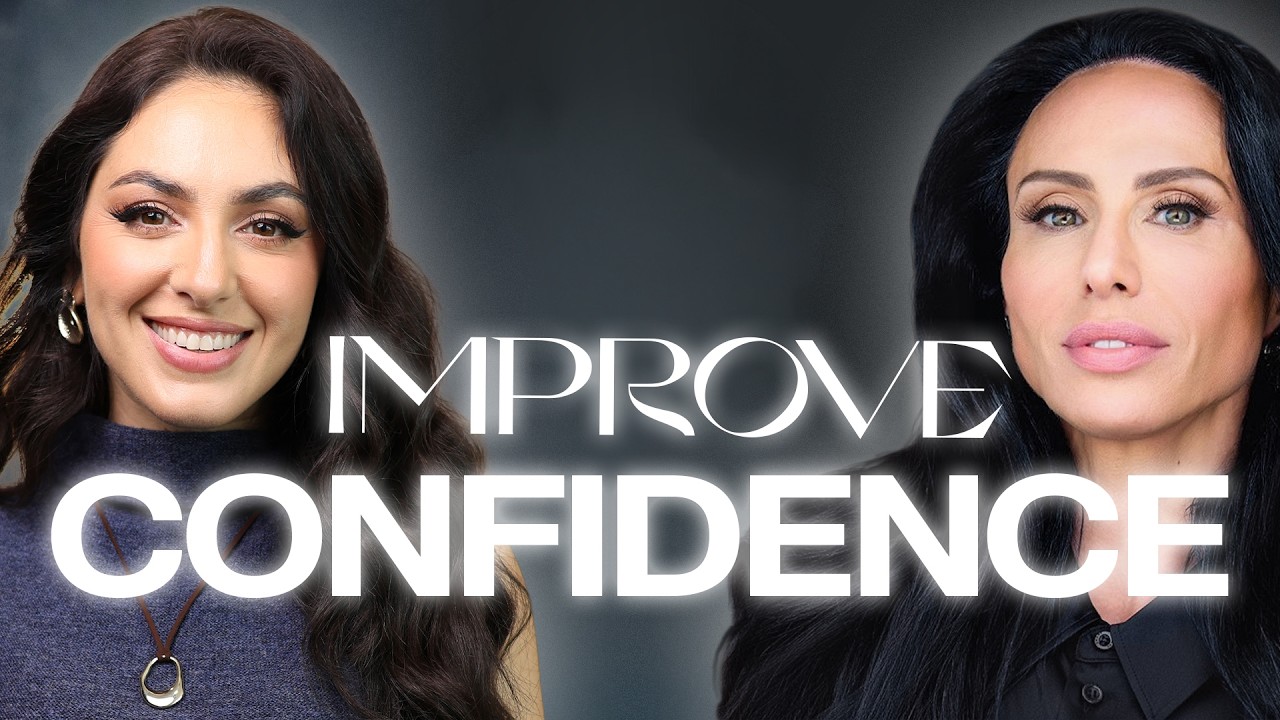
In this episode, Dr. Gabrielle Lyon sits down with Dr. Shadé Zahrai to explore the science of confidence, self-trust, and peak performance. They break down why confidence comes after action, how self-image shapes success, and the four psychological drivers that determine whether you thrive or stay stuck.
You will learn how body language influences perception, why high performers plan for failure, how perfectionism leads to burnout, and the subtle communication habits that undermine credibility. Most importantly, you will discover how to build what Dr. Zahrai calls Big Trust so you can back yourself before you feel ready.
If you struggle with overthinking, imposter thoughts, or feeling capable but not fully confident, this conversation will give you practical tools to change how you show up.
Want ad-free episodes? Subscribe to Forever Strong Insider: https://foreverstrong.supercast.com
CHAPTERS
00:00 Confidence science: feeling vs appearing
00:51 The opposite of self-doubt and why confidence comes after action
01:53 Self-trust before confidence
03:03 Nonverbal confidence cues: posture, eye contact, smile, pace
07:30 Body language feedback loop: posture and recall
09:26 Shadé’s PhD on self-doubt under pressure
12:22 What makes people successful: self-image
12:30 Self-image blueprint and why change does not stick
14:29 The Four A’s: Acceptance, Agency, Autonomy, Adaptability
20:26 The self-awareness gap and changing personality traits
22:30 Expectation bias and the scar experiment
25:54 Self-doubt types: signal vs verdict
28:30 Visibility, influence, and the people around you
31:16 Which traits are easiest to change
35:56 Why capable people still stay stuck
40:25 Michael Phelps and visualizing failure recovery
42:30 Stop rumination: stimulus control for worry
47:45 Self-improvement vs perfectionism vs burnout
56:53 The 4 inner deceivers: Judge, Protector, Neglecter, Ringmaster
1:11:22 Peak performance and Big Trust
1:19:19 Communication habits that kill credibility
1:24:18 Stop over-apologizing and reframe emotion
1:29:47 Daily habits to build Big Trust and audit your circle
Thank you to our sponsors:
– Timeline – Get 35% off a Mitopure subscription at https://www.timeline.com/drlyon
– BodyHealth – Get 20% off your first order with code LYON20 https://www.bodyhealthaffiliates.com/73L4QL3/7XDN2/
– Four Sigmatic – Go to http://foursigmatic.com/gabrielle for a free bag of their dark roast ground coffee with a subscription (just pay for shipping & handling).
Find Dr. Dr. Shadé Zahrai at:
– IG: https://www.instagram.com/shadezahrai/
– YouTube: https://www.youtube.com/shadezahrai
– Big Trust by Dr. Shadé Zahrai gives you the tools to quiet self-doubt and step forward with clarity, agency, and confidence. Get your copy here: https://www.amazon.ca/Big-Trust-Self-Doubt-Confidence-Success/dp/0063378159
Find Dr. Gabrielle Lyon at:
– Instagram: https://www.instagram.com/drgabriellelyon/
– TikTok: @drgabriellelyon
– Facebook: facebook.com/doctorgabriellelyon
– YouTube: youtube.com/@DrGabrielleLyon
– X (Twitter): x.com/drgabriellelyon
– Become a patient: https://strongmedical.com/apply-now/?utm_source=youtube&utm_medium=video&utm_campaign=strongmedical&utm_content=description
– Order my new book – https://www.amazon.com/exec/obidos/ASIN/1668085623
Disclaimers: This episode includes paid sponsorships.
The Dr. Gabrielle Lyon Podcast and YouTube are for general information purposes only and do not constitute the practice of medicine, nursing, or other professional health care services, including the giving of medical advice, and no doctor/patient relationship is formed. The use of information on this podcast, YouTube, or materials linked from this podcast or YouTube is at the user’s own risk. The content of this podcast is not intended to be a substitute for professional medical advice, diagnosis, or treatment. Users should not disregard or delay in obtaining medical advice for any medical condition they may have and should seek the assistance of their health care professional for any such conditions.