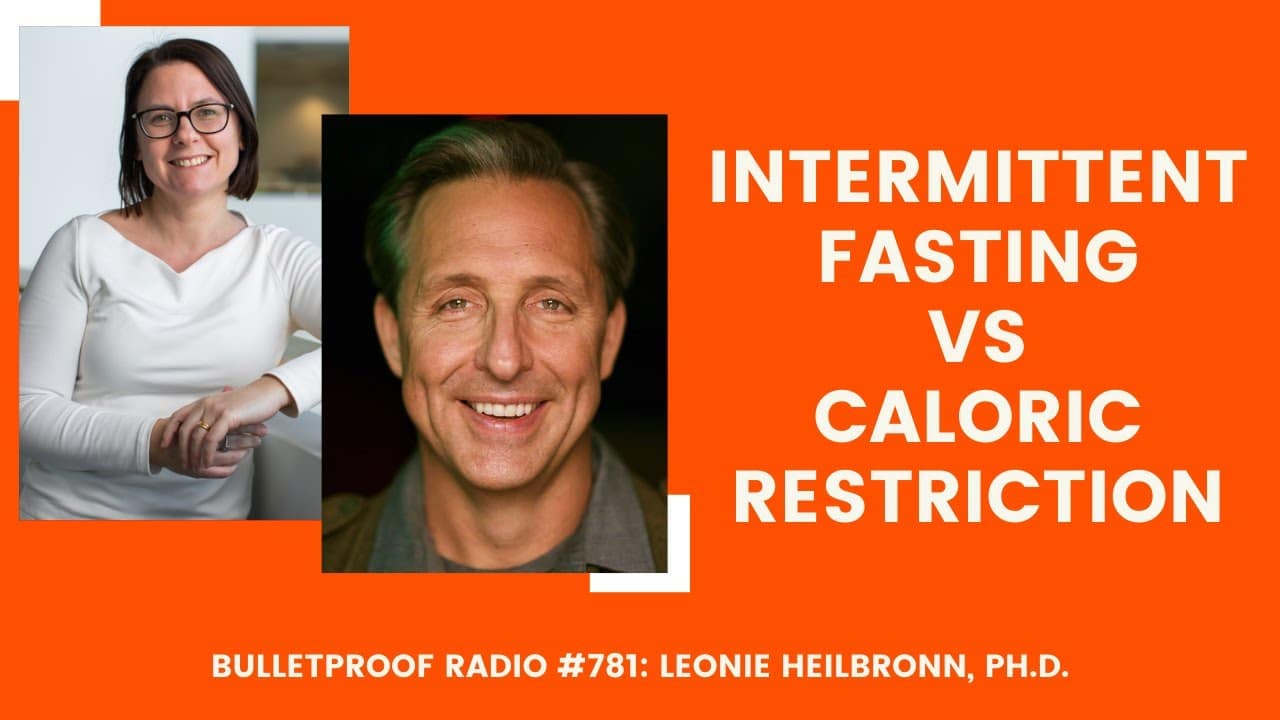
Summary:
1. A new study suggests that intermittent fasting is more effective in improving metabolic health than calorie restriction.
2. Leonie Heilbronn, Ph.D., conducted the study, and her team involved humans and animals.
3. Intermittent fasting regulates insulin levels, boosts metabolism, and promotes weight loss.
4. Factors that affect the success of intermittent fasting include timing, type, and food intake.
5. Before starting any form of fasting, it’s essential to consult a healthcare professional.
New Research Says Fasting Beats Cutting Calories with Leonie Heilbronn, Ph.D.
Are you tired of fad diets that promise quick results but leave you feeling hungry, deprived, and disappointed? If you’re looking for a healthier and more sustainable way to manage your weight and improve your overall health, you may consider intermittent fasting. According to a recent study conducted by Leonie Heilbronn, Ph.D., and her team, intermittent fasting is more effective in improving metabolic health than calorie restriction.
The study involved humans and animals and examined the effects of intermittent fasting versus calorie restriction on insulin sensitivity and metabolic health. The results showed that intermittent fasting improved insulin sensitivity and metabolic parameters compared to calorie restriction. This finding suggests that the frequency and timing of food intake may be more important than the overall amount consumed.
One of the key benefits of intermittent fasting is that it regulates insulin levels, a hormone that plays a crucial role in metabolism. Insulin helps transport glucose from the bloodstream into cells, which are used as energy or stored as glycogen or fat. Overconsumption of calories, especially those from carbohydrates, can lead to insulin resistance, where the body becomes less responsive to insulin, and glucose builds up in the bloodstream. This can increase the risk of developing type 2 diabetes, obesity, and other metabolic disorders.
Intermittent fasting promotes insulin sensitivity by reducing the frequency and amount of insulin spikes, allowing the body to better utilize glucose and fat as energy sources. Fasting triggers the release of growth hormone, which helps to break down fat for energy and build and repair muscle tissue. It also activates autophagy, a cellular process that clears out damaged and dysfunctional cells to optimize cellular function and reduce inflammation.
Another benefit of intermittent fasting is that it boosts metabolism, the body’s rate of burning calories. When fasted, the body switches from glucose to ketones, a fuel produced from stored fat. This results in increased fat burning and energy production, which can lead to weight loss and improved body composition. Moreover, intermittent fasting may help to reduce appetite and cravings as the body becomes more adapted to using fat as a fuel source and less reliant on constant glucose intake.
Factors that affect the success of intermittent fasting include timing, type, and amount of food intake. Several fasting methods include time-restricted feeding, alternate-day fasting, and periodic fasting. Time-restricted feeding involves restricting food intake to a specific window, usually 8-12 hours per day, and fasting for the rest of the day and night. Alternate-day fasting involves alternating between fasting and non-fasting days, while periodic fasting involves fasting for several consecutive days or weeks.
The type and amount of food consumed during the feeding period also matter. Choosing nutrient-dense foods that balance macronutrients and micronutrients, such as lean protein, healthy fats, and complex carbohydrates, is essential. Avoid processed and refined foods high in sugar, salt, and unhealthy fats. It’s also essential to stay hydrated and limit alcohol and caffeine intake, as they can interfere with sleep and digestion.
Before starting any form of fasting, it’s essential to consult a healthcare professional, especially if you have a medical condition, take medication, or are pregnant or breastfeeding. Intermittent fasting may not be suitable for everyone and may require some adjustment period to adapt to the new eating pattern. Some people may experience side effects such as headaches, dizziness, and fatigue, especially during transition.
In conclusion, the new research by Leonie Heilbronn, Ph.D., and her team suggests that fasting may be a more effective way to improve metabolic health than cutting calories. Intermittent fasting promotes insulin sensitivity, boosts metabolism, and promotes weight loss. The success of intermittent fasting depends on the timing, type, and amount of food intake, as well as individual factors such as medical history and lifestyle. Before embarking on any form of fasting, it’s essential to seek professional advice and listen to your body’s signals. Happy fasting!
*****
Source Description
Bulletproof Radio episode #781
Expanded human studies on obesity and chronic disease look at differences in fasting, time-restricted eating, and calorie restriction.
In this episode of Bulletproof Radio, I’m joined by Australian researcher Leonie Heilbronn, Ph.D.. Her fasting research looks at the biological pathways that support reducing the risk of chronic diseases.
Leonie leads the Obesity and Metabolism group based within the Lifelong Health Theme at South Australian Health and Medical Research Institute at Adelaide University in Adelaide, Australia. Today, I have her on to talk about her studies on fasting, many of which show more specific results than what we’ve seen in this field before. She looks at intermittent fasting, time-restricted eating, calorie restriction, and more.
In a particular study on women, Leoni says, “We did see that the intermittent fasting group lost a little bit more weight than the caloric restriction group, and they had better improvements in their health.” Other positive results, like reductions in diabetes and cardiovascular risk markers.
Fasting isn’t one-size-fits-all, so I asked Leonie a lot of questions about her research, such as:
How does the food you eat during intermittent fasting affect the fast itself?
What food works for some people and not others, and how does that influence the effectiveness of your fast?
How do intermittent fasting and caloric restriction compare?
When should you eat your daily protein and carbs?
Should you consume black coffee during your fast?
How does time-restrictive eating affect your lifespan?
How do people respond to fasting studies? “For some people, it takes them a little while to get used to fasting, and then some people just maybe never get used to it,” she says.
How do people respond to time-restrictive eating studies? “I think time-restrictive eating is great because you don’t have to change everything that you’re eating, and you’re still going to have some excellent effects,” she says. “But I think if you started to have bad behaviors because of time pressure, then you’re not going to see the improvement we’d hope to see.”
Leonie breaks down her research in simple terms, so no matter your familiarity with fasting, you’ll find a fascinating entry point.
Connect with Dave Asprey!
Website: https://daveasprey.com
Telegram: https://t.me/aspreyofficial
Instagram: https://www.instagram.com/dave.asprey/
Facebook: https://www.facebook.com/Daveaspreyof…
Twitter: https://twitter.com/daveasprey
YouTube: https://www.youtube.com/c/daveaspreybpr
The Human Upgrade Podcast: https://www.instagram.com/thehumanupg… and https://m.facebook.com/Thehumanupgrade/