Summary of Ultramarathons May Be Aging Your Blood Cells Faster Than You Think:
A recent study published in Blood Red Cells & Iron reveals that ultramarathon running can damage red blood cells, potentially accelerating their aging and reducing their function. The research examined 23 athletes before and after participating in races of varying lengths (40 km and 171 km). Findings indicated that red blood cells lost flexibility due to mechanical and molecular stress from intense exercise, which could hinder their ability to transport oxygen and waste effectively. While the study provides insights into the negative effects of extreme endurance events, researchers emphasize that more studies are needed to explore long-term consequences and improve training and recovery strategies for athletes. Additionally, the findings may have implications for blood storage and transfusion practices.
*****
Key Takeaways from the Impact of Ultramarathons on Blood Cells
- Cellular Damage: Ultramarathon running may accelerate aging and damage to red blood cells, impairing their functionality.
- Injury Mechanism: Research indicates that mechanical stress from intense exercise and oxidative stress due to inflammation affect red blood cell health.
- Distance Matters: Longer races cause more significant damage to red blood cells, highlighting potential risks for ultra-endurance athletes.
- Implications for Recovery: Understanding the physiological impact of extreme exercise can inform better recovery and training strategies for athletes.
- Future Research: Continued studies aim to explore long-term effects, repair processes, and applications in both sports and medical blood storage.
Ultramarathons: The Double-Edged Sword of Endurance
For many, ultramarathons represent a pinnacle of human endurance and tenacity. These grueling challenges—often surpassing the limits of traditional marathons—invite athletes to push their bodies to the brink. Yet, as research unfolds, a thought-provoking question arises: Are we perhaps paying a high price for that glory?
Recent studies published in Blood Red Cells & Iron, reveal that the very act of ultra-endurance running may accelerate the aging of our blood cells quicker than anticipated. Let’s dive into the intricate connection between extreme running and red blood cell health.
The Vital Role of Red Blood Cells
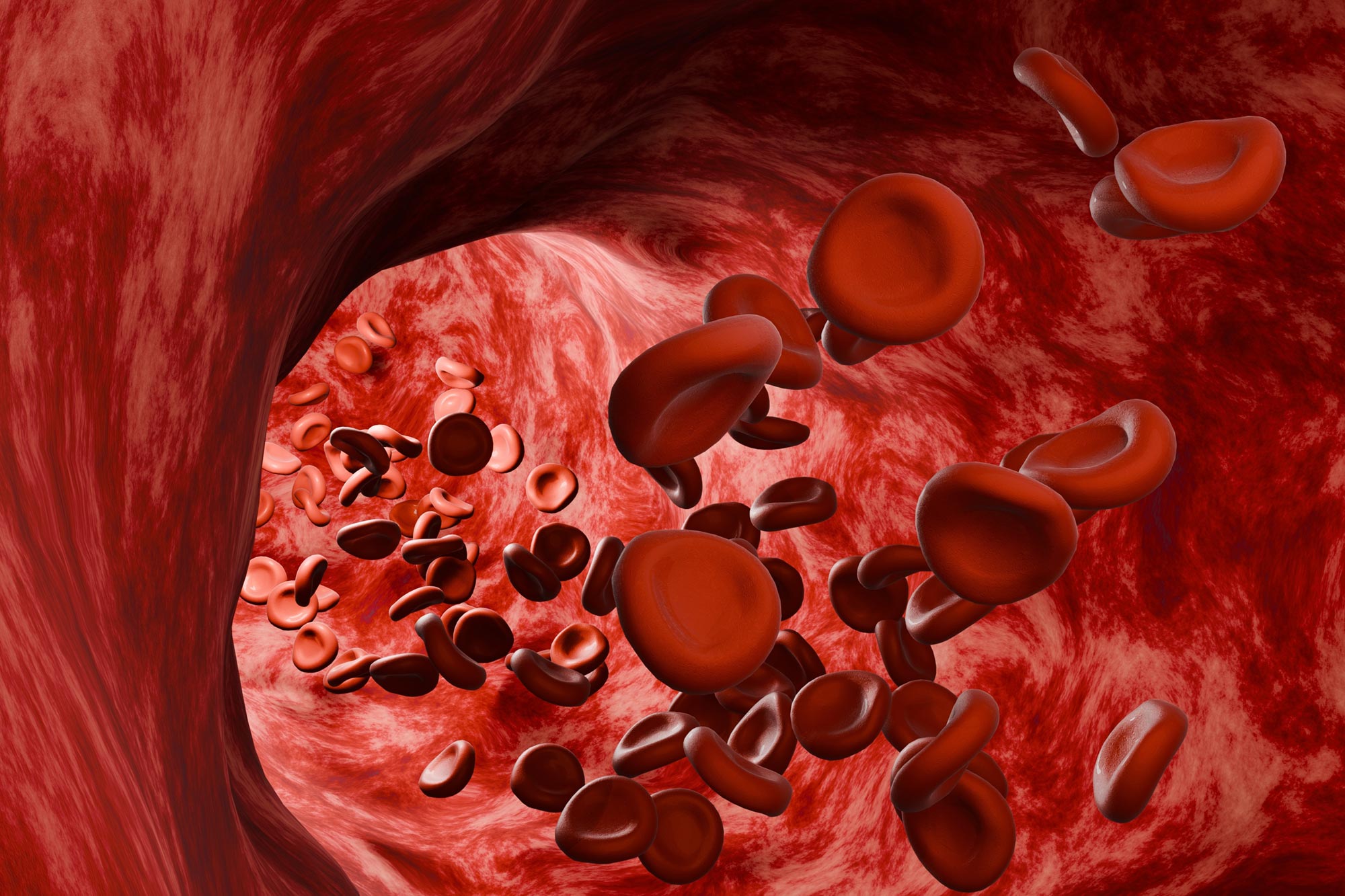
Red blood cells (RBCs) are the unsung heroes of our circulatory system. They’re responsible for carrying life-giving oxygen throughout our body and whisking away carbon dioxide and other waste. Their flexibility and resilience enable them to navigate the tiniest capillaries—a vital function, especially during intense physical workouts.
However, when it comes to ultramarathons, this remarkable cellular fleet may face devastating challenges.
A Deep Dive into the Research
To comprehend the unfolding drama between ultramarathons and red blood cells, researchers chose two of the planet’s most demanding races: a 40-kilometer endeavor and the monumental Ultra Trail de Mont Blanc, stretching a staggering 171 kilometers. Blood samples from 23 dedicated runners were meticulously analyzed both before and immediately after the races.
The findings? Red blood cells were not only stressed; they exhibited signs of injury and impairment resulting from both mechanical strains and oxidative stress. Imagine your body, already fueled by determination and grit, facing visible cellular breakdown amid the tumult of competition.
-
Mechanical Damage: During an ultramarathon, athletes experience fluid pressure changes as blood circulates, colliding time and again with the vessel walls. This mechanical stress can, unfortunately, lead to red blood cell injury.
- Molecular Damage: In tandem with this mechanical strain, inflammatory responses kick in. Oxidative stress—an imbalance between free radicals and antioxidants in the body—hastens cellular aging, compromising the health of our RBCs.
Dr. Travis Nemkov, the study’s lead author, encapsulated this issue succinctly: “Persistent stress is damaging the most abundant cell in the body.”
The Horror of Distance: An Accelerated Aging Perspective
Interestingly, the research delivered alarming news: cells exhibited accelerated aging even after relatively shorter races, and those completing longer races experienced amplified effects. As the kilometers piled on, so did the cellular stress. Dr. Nemkov emphasizes, “At some point between marathon and ultramarathon distances, the damage really starts to take hold.”
But hang on—what does this mean for athletes? Is there a point of no return?
The Implications of Understanding
While it remains uncertain how long the detriments to red blood cells last post-race, the implications stretch far beyond just individual health. This research could prove transformative for training, nutrition, and recovery strategies for athletes everywhere. The knowledge gained here could fortify athletes against potential negative aspects of intense endurance exercise.
Moreover, there lie hidden insights that extend to the medical community. Stored blood for transfusion can degrade over time, leading to regulatory limits on usage. Understanding how stress affects red blood cells might illuminate pathways to enhance stored blood viability.
Dr. Angelo D’Alessandro, a co-author of the study, notes, “Extreme endurance exercise pushes red blood cells toward accelerated aging through mechanisms that mirror what we observe during blood storage.” In essence, unraveling the mysteries of ultramarathons might improve outcomes both in athletic arenas and in medical care.
Confronting Limitations and Next Steps
As promising as these findings are, researchers acknowledge their study’s limitations. Only a small, homogeneous group of participants was observed, and blood sampling occurred at merely two points in time. The path ahead is clear; there’s an urgent need for expanded research with diverse populations and more frequent testing to gain a fuller understanding of the damaging effects of ultramarathons.
Finding the Balance: A Personal Journey
Learning about the accelerated aging of blood cells prompts a moment of reflection. Running might be viewed as a pure test of endurance, a journey of sweat and spirit, but it also poses essential questions about health longevity. It’s not merely about finishing that 100-mile race but understanding how that quest impacts your body at a cellular level.
Every athlete grapples with risks and rewards. How do you balance the drive for achievement with the need for long-term health? This inquiry requires introspection and a personalized approach to fitness.
Crafting Recovery Strategies
So, what can runners take from these discoveries? Firstly, awareness is power. The knowledge that ultramarathons may damage red blood cells serves as a wake-up call. It reminds us that rest, recovery, and nutrition are as critical as the miles logged during training.
-
Listen to Your Body: Connect with your body and be attuned to its signals. Just because your mind doesn’t want to stop, doesn’t mean your body agrees. Recovery periods are essential for cellular repair.
-
Prioritize Nutrition: Fuel your body with foods rich in antioxidants. These can combat oxidative stress and help protect red blood cells from damage.
-
Diversify Your Training: Mix high-intensity training with lower-impact exercises. This not only builds endurance but can mitigate some risks linked with extreme strain.
- Mindfulness Practices: Incorporate practices such as meditation or yoga to help reduce stress and inflammation—both physical and mental.
A Closing Reflection on Resilience
In sharing this information, my aim is to spark contemplation and empowerment among athletes and fitness enthusiasts alike. Understanding the intricate dance between endurance sports and cellular health doesn’t diminish the spirit of ultramarathon running; instead, it magnifies the need for a balanced, informed approach.
Remember, every step you take can be transformative, not just for your goals but for your overall health. So lace up those running shoes, embark on the journey of improvement, but let wisdom guide you along that path. After all, what’s the value of pushing your limits if you compromise your well-being in the process?
The Bottom Line: A Journey Beyond the Finish Line
Ultramarathons are an incredible feat but come with a responsibility—toward ourselves and our bodies. Let’s embrace the knowledge we have and make informed choices that promote longevity and vitality. Because the real win is not just finishing the race; it’s thriving long after you cross that finish line.