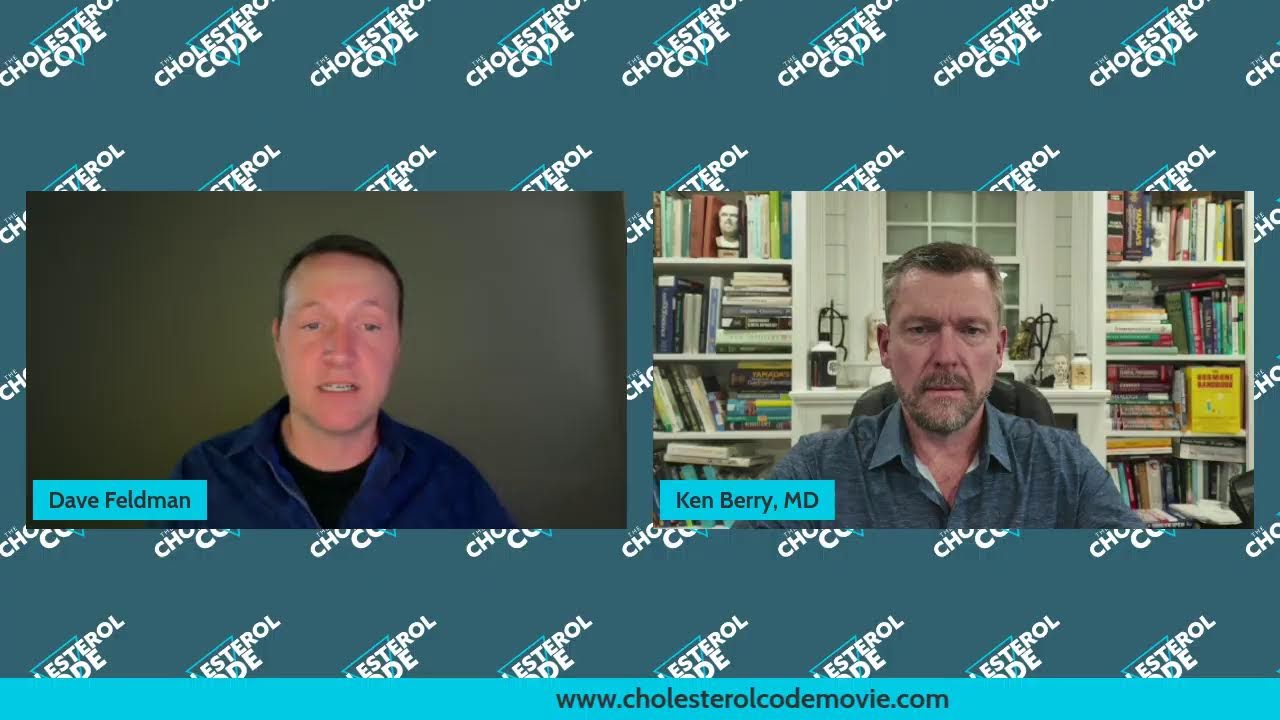
- The foundation of cholesterol and its biological significance
- The Cholesterol Code initiative by Dave Feldman
- Insights into insulin sensitivity and its impact on cholesterol levels
- Dietary fats and their role in cholesterol management
- Real-world implications of cholesterol research for personal health
Understanding cholesterol is crucial for anyone interested in health and nutrition. Cholesterol exists as a waxy substance found in the body, often misunderstood due to the controversies surrounding its impact on heart health. While many know it plays a pivotal role in forming cell membranes and producing hormones, its regulation within the body is nuanced and not as straightforward as once believed.
Cholesterol circulates in the blood, primarily in two forms: low-density lipoprotein (LDL) and high-density lipoprotein (HDL). LDL is often termed "bad" cholesterol due to its association with arterial plaque buildup, while HDL is viewed as "good" cholesterol, which helps remove LDL from the bloodstream. However, the conversation about cholesterol is evolving, and a deeper understanding is emerging, particularly in light of initiatives like the Cholesterol Code spearheaded by Dave Feldman.
Dave Feldman has garnered attention for his research and advocacy surrounding cholesterol, specifically how dieters can influence their cholesterol levels through dietary changes. His approach blends personal experiences with scientific inquiry, making it accessible to everyday individuals. Feldman’s findings challenge traditional cholesterol metrics that often classify individuals based solely on their LDL levels without considering other factors such as particle size and metabolic health.
One of Feldman’s significant contributions is demonstrating how individuals can manipulate their cholesterol levels through dietary fat intake. He observed that when people consume high amounts of fats, especially from sources like coconut oil or avocados, their body responds in complex ways, altering cholesterol markers. This intricacy highlights the importance of understanding not just the quantity of fats consumed but their quality and the body’s metabolic response to them.
A core aspect of Feldman’s work revolves around insulin sensitivity. Insulin sensitivity refers to how effectively the body’s cells respond to insulin, a hormone crucial for regulating blood glucose levels. Poor insulin sensitivity, often associated with metabolic syndrome and type 2 diabetes, can lead to cholesterol imbalances. When insulin sensitivity is low, the body struggles to manage fats effectively, often leading to elevated LDL cholesterol levels.
Feldman emphasizes that dietary strategies aimed at improving insulin sensitivity, such as low-carbohydrate or ketogenic diets, can lead to favorable shifts in cholesterol profiles. By reducing carbohydrate intake, individuals can experience improvements in insulin function, leading to decreased fat storage and altered cholesterol metabolism. This shift challenges the traditional ideas linking dietary intake directly to blood cholesterol levels. Instead, the focus gradually shifts towards how carbohydrates, fats, and insulin sensitivity intertwine to affect cholesterol.
Another vital aspect of the Cholesterol Code is its examination of different types of dietary fats. Not all fats are created equal. Saturated fats, for example, have been vilified for their potential impact on heart disease; however, emerging evidence suggests that the context in which they are consumed plays a significant role. Research indicates that saturated fats may not be as detrimental to heart health as previously thought, especially when accompanied by a healthy lifestyle that promotes overall wellness.
Polyunsaturated fats, found in foods such as nuts, seeds, and fish, can have protective effects against cardiovascular disease. They might improve lipid profiles and enhance heart health when included in a balanced diet. The interplay between different fat sources can lead to significant variations in cholesterol levels and overall health, reinforcing the idea that simplistic dietary guidelines may not serve everyone equally well.
The practical implications of the Cholesterol Code extend beyond academic discussion. Individuals intrigued by these insights can explore dietary adjustments that align with their health objectives. Implementing changes such as increasing the consumption of healthy fats while reducing carbohydrates can foster a more personalized approach to managing cholesterol. Individuals armed with knowledge can monitor their metrics, guiding their food choices with informed intent, rather than relying solely on generalized dietary guidelines.
Self-experimentation, an essential facet of Feldman’s approach, encourages individuals to track their cholesterol levels in response to dietary modifications. By conducting blood tests before and after implementing dietary changes, people can observe real-time effects and make data-driven choices. This method democratizes the scientific approach to nutrition, enabling individuals to engage actively with their health, fostering accountability and empowerment.
Collectively, Feldman’s insights about cholesterol emphasize the need for a paradigm shift in how society addresses dietary fats and cholesterol management. Traditional methods of evaluating cholesterol levels based solely on LDL measurement are inadequate, especially given the complexities and varied responses of individuals to dietary changes. Emphasizing a holistic approach that incorporates dietary quality, insulin sensitivity, and individual metabolic response leads to more comprehensive health solutions.
The relationship between dietary fats, insulin sensitivity, and cholesterol management resonates beyond personal anecdotes. Numerous studies corroborate Feldman’s findings, highlighting the interactions between different macronutrients and their physiological impact. Awareness of these dynamics can help reshape dietary recommendations at larger levels, promoting a better understanding of heart health across diverse populations.
The advocacy for a more nuanced understanding of cholesterol extends to medical practitioners as well. Physicians and healthcare providers play a critical role in educating patients about how metabolic health and dietary choices intersect. Emphasizing the importance of individual responses unlocks larger conversations about heart disease prevention strategies. By understanding these complexities, healthcare providers can offer more tailored recommendations, moving away from a one-size-fits-all approach.
As they implement these lessons from the Cholesterol Code into their practices, medical professionals can foster an environment where patients participate actively in their health journeys. Educated patients are more likely to adopt preventive measures, which leads to enhanced overall health outcomes.
In the end, the exploration of cholesterol, particularly as posited by Dave Feldman, reveals the multilayered relationship between diet, metabolism, and health. By fostering a culture that values personalized approaches, advocates encourage individuals to take ownership of their health through informed choices. Instead of viewing cholesterol through a narrow lens, the broader picture emphasizes lifestyle, behavior, and dietary quality as vital components in nurturing lasting wellness.
The journey towards optimal heart health encompasses much more than merely counting calories or obsessively tracking fat intake. Through understanding the nuances behind cholesterol and appreciating how individual responses differ, people can cultivate healthier relationships with food. This fosters an improved quality of life while reducing the risk of metabolic diseases.
The evolving narrative around cholesterol continues to encourage research and inquiry, promoting more discussions about food, health, and well-being. By acknowledging these developments, individuals can better navigate their paths to wellness, armed with evidence-based knowledge that empowers them to make informed choices regarding their diets and lifestyles.
*****
Source Description
Meaningful Research + Paleoanthropological Ancestry + Common-Sense…
The Proper Human Diet, presented by a Family Physician with 20 years of clinical experience. Dr. Berry has treated over 25,000 patients during his career.
No big medical words here, just plain talk you can use to stay healthy and happy. If you like it limp-wristed and sugar-coated then you should probably look somewhere else.
I’ll explain how you can use your diet and your lifestyle to get the health you want. Videos about the low-carb/ketogenic/carnivore diets, intermittent fasting, thyroid health, hormone optimization, and much more. I’ve declared all-out war on the epidemics of hyperinsulinemia, diabetes, and obesity currently hurting our world, and hurting your health.
Learn how to lose fat, lower your blood sugar, lower your blood pressure, optimize your hormones, and more…
JOIN MY NEWSLETTER! https://drberrylist.com/
Subscribe and share and join me in this fight!