Summary of AI Finds Life Shortening Hormone Disorder Using Only Hand Photos:
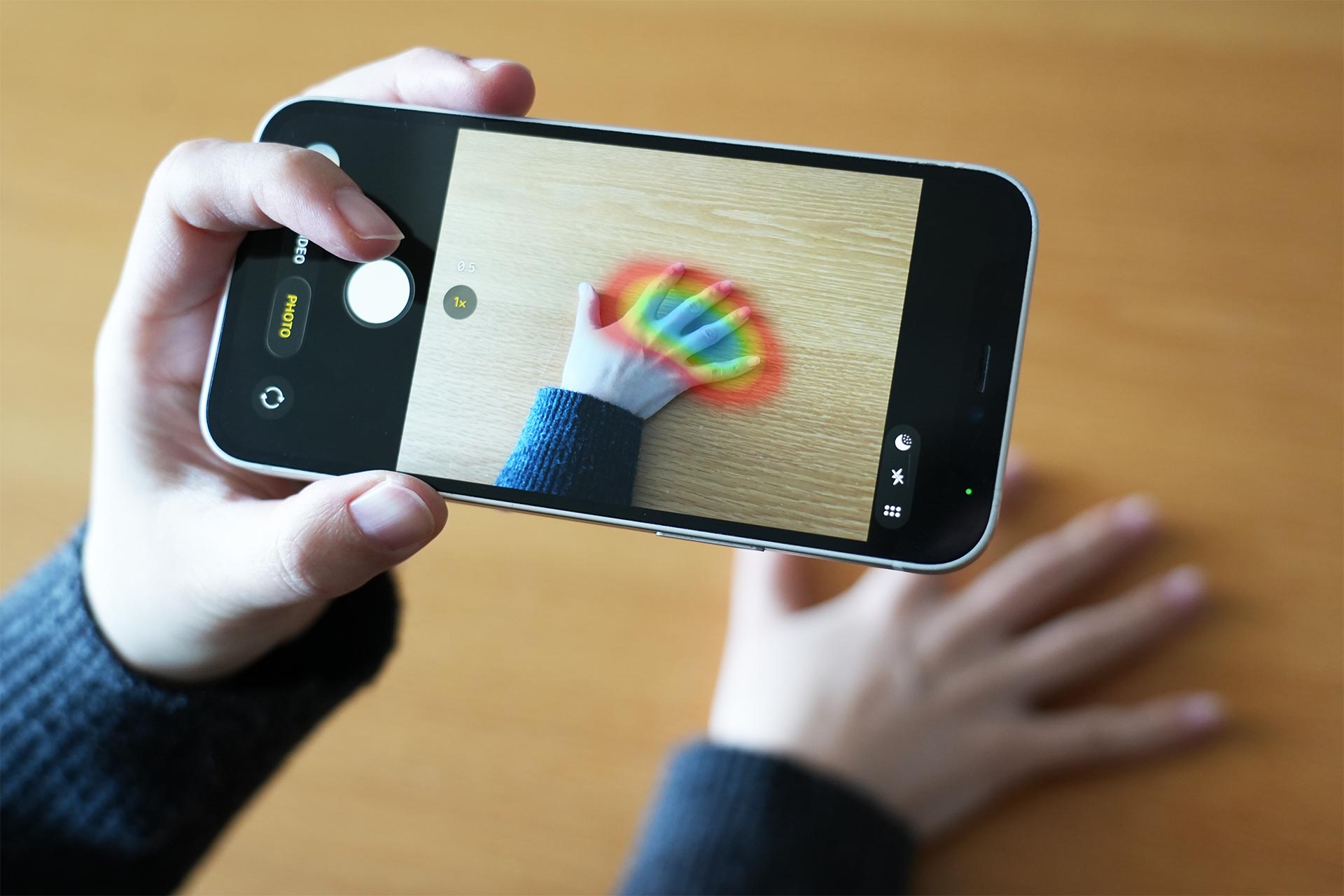
Researchers at Kobe University have developed an AI system that can diagnose acromegaly, a rare endocrine disorder, using only images of the back of a hand and a clenched fist. This privacy-focused approach avoids facial images, protecting patient identity and encouraging broader participation. The AI model, trained on over 11,000 images from 725 patients, demonstrated high accuracy, surpassing experienced endocrinologists in identifying the condition. The researchers aim to expand this technology to screen for other health issues related to visible changes in the hands, potentially reducing healthcare disparities and improving early intervention by supporting medical professionals.
*****
Summary Bullet Points:
- AI Diagnosis of Acromegaly: Researchers at Kobe University have developed an innovative AI system capable of diagnosing acromegaly from hand photos, emphasizing privacy by avoiding facial images.
- Importance of Early Detection: Acromegaly, an uncommon hormone disorder caused by excess growth hormone, often goes undiagnosed for years, leading to serious health complications.
- Study Findings: The AI system demonstrated high accuracy in detecting acromegaly, outperforming experienced endocrinologists in diagnostic tests.
- Future Applications: The research team plans to adapt their AI approach for other conditions that exhibit symptoms in the hands, broadening its potential impact.
- Reducing Healthcare Disparities: This technology supports healthcare professionals and aims to improve patient access to specialist care, particularly in underserved regions.
The Fascinating Intersection of AI and Human Health: Diagnosing Acromegaly Through Hand Photos
In the realm of healthcare, innovation often dances with the future, presenting remarkable possibilities that can redefine how we approach medical diagnosis and treatment. Picture this: an artificial intelligence system that can detect a life-shortening hormone disorder called acromegaly—just from pictures of your hands. This isn’t science fiction; it’s a groundbreaking reality brought to life by researchers at Kobe University.
Understanding Acromegaly
Acromegaly is a condition that, while rare, can have profound implications for those it affects. It arises from an overproduction of growth hormone, typically due to a benign tumor on the pituitary gland. This hormonal imbalance leads to noticeable physical changes—enlarged hands and feet, a broadening of facial features, and abnormalities in internal organ growth. Though the condition develops insidiously over many years, the consequences can be severe, potentially shortening life expectancy by about a decade.
One of the most critical challenges with acromegaly is its diagnosis. Because it progresses slowly, it often takes a decade or more for patients to receive a definitive diagnosis. Many might live for years without understanding the underlying condition so profoundly impacting their health. This is where the brilliance of technology steps in.
A Privacy-Conscious Approach to Diagnosis
In an era where privacy concerns loom large, especially regarding health data, the Kobe University team has taken a unique route. Traditional AI diagnostic tools often rely on facial recognition analysis, which can invite unwanted attention and privacy violations. Recognizing this challenge, they focused their research specifically on the hands—an area that can reveal significant changes associated with various health disorders.
Yuka Ohmachi, a graduate student involved in the study, emphasizes this point: "Focusing on the hands—a body part routinely examined in clinical practice—allowed us to address privacy concerns effectively." They gathered data exclusively from the back of the hand and clenched fists, avoiding palm images that could unveil unique identifiers through skin patterns. The result? A remarkable collaboration with 725 patients across 15 medical facilities in Japan, leading to the collection of more than 11,000 images to train and validate the AI model.
High Accuracy and Promising Results
The findings, published in the Journal of Clinical Endocrinology & Metabolism, revealed astonishing results. The AI model achieved impressively high sensitivity and specificity in diagnosing acromegaly, even outshining seasoned endocrinologists in head-to-head comparisons. This development is not merely a testament to the researchers’ hard work but also a glimpse into the future of healthcare diagnostics.
Ohmachi expresses genuine astonishment at the model’s performance, remarking, "Achieving such accuracy using only photographs of the back of the hand and clenched fist was unexpected." This innovative approach could revolutionize how we screen for diseases and underscores the potential of AI in routine medical practice.
Beyond Acromegaly: Expanding Potential
The researchers are not stopping with acromegaly. The adaptability of their AI system positions it to tackle other conditions marked by visible changes in the hands. Conditions like rheumatoid arthritis, anemia, and finger clubbing present opportunities for extending this technology. Don’t you wonder what more the future could hold? We could be looking at a holistic diagnostic tool that empowers individuals to monitor their health with a simple photograph, bridging gaps in early detection and intervention.
The Role of Healthcare Professionals
It’s essential to clarify that while this AI system contributes to the diagnostic process, it does not intend to replace healthcare professionals. Instead, the researchers view it as a supportive tool that enhances medical expertise. The AI serves as a second pair of eyes, helping to catch what might be missed during an initial evaluation.
“By integrating technology like this into the medical infrastructure,” notes lead researcher Hidenori Fukuoka, “we could create seamless connections between patients and specialists.” This method can particularly benefit non-specialist physicians in rural healthcare settings, thus playing a pivotal role in reducing healthcare disparities.
How This Affects You: Empowerment through Knowledge
You might be asking yourself, “What does this mean for me?” Well, knowledge is power. Understanding that there are contemporary advancements in medical diagnostics gives you a sense of control. If you notice changes in your body, especially in your hands, this newfound capability could facilitate timely medical consultations.
Imagine being able to take a photograph of your hand, and using this method of analysis to understand your health better. It’s an engaging thought that evokes a level of empowerment rarely associated with the medical field, often characterized by long waiting periods and opaque medical jargon.
The Complexity of Healthcare Disparities
Healthcare disparities have long plagued our society, creating a chasm between those who can access quality medical care and those who struggle. Initiatives that incorporate innovative technologies like this AI not only democratize access to vital health information but also foster an environment where early intervention becomes a tangible reality for everyone.
By integrating this AI system into routine health checks, the goal is to direct suspected cases efficiently to specialists who can provide the necessary care. It could lead to swifter diagnoses and better outcomes, benefiting not just individuals but entire communities.
A Vision for the Future: Continuous Innovation
The journey of AI in healthcare is in its nascent stages, teeming with potential waiting to be unlocked. Imagine a world where AI-driven diagnostics are commonplace. No longer will individuals need to navigate the often labyrinthine pathways to specialist referrals; many barriers could be lifted thanks to the transformative power of technology.
The discussion continues to evolve around integrating AI in various healthcare facets, from preventive care to chronic disease management. This could revolutionize global health initiatives, allowing faster responses to public health crises and creating pathways for improved quality of life for millions.
Conclusion: Embracing Technological Advancements
In a society that’s rapidly evolving, keeping pace with technological advancements can be inspiring. The breakthrough achieved by Kobe University’s researchers shines a hopeful light on the future of healthcare diagnostics. It highlights the incredible potential AI holds in transforming lives, emphasizing both the importance of privacy and accessibility.
What we’ve learned today is about more than just diagnosing acromegaly from hand images; it is a testament to what the future can hold when science embraces innovation responsibly. So, the next time you think about health technology, remember the hands—because they could hold solutions we are only beginning to understand.
By engaging with emerging technologies in healthcare, you are not merely an observer; you are part of a narrative that seeks a healthier future for all. The future is not only about how we treat illnesses but also how we thrive in a world with the most sophisticated tools at our fingertips.