- The rise in metabolic diseases and the impact on overall health.
- The influence of modern diet and lifestyle on insulin sensitivity.
- Factors contributing to increasing loneliness and its health implications.
- The interconnectedness of nutrition, mental health, and social well-being.
- Strategies for improving personal health and reducing loneliness.
Modern society faces a health crisis that manifests as increased metabolic diseases and pervasive loneliness. This phenomenon not only affects individual well-being but also poses significant threats to public health systems. Understanding the factors driving these issues and implementing effective strategies for change is crucial.
In recent years, metabolic diseases, such as obesity and type 2 diabetes, have surged, becoming public health emergencies. The root causes are multifaceted, involving genetic, environmental, and lifestyle factors. Central to these conditions is insulin resistance, where the body’s cells become less responsive to insulin, leading to elevated blood sugar levels and further complications.
Diet plays a pivotal role in this crisis. The modern diet, often high in refined carbohydrates and sugars, exacerbates insulin resistance. Processed foods, laden with unhealthy fats and additives, disrupt metabolic processes and contribute to weight gain. Additionally, portion sizes have increased, contributing to excessive calorie consumption. These dietary patterns are a stark contrast to traditional diets rich in whole foods, which support metabolic health and enhance insulin sensitivity.
Another significant factor is the sedentary lifestyle prevalent in modern society. Physical inactivity contributes to poor metabolic health by reducing the body’s ability to regulate blood sugar levels. Regular exercise, on the other hand, has been shown to improve insulin sensitivity and is a critical component of preventing metabolic diseases.
The conversation about health is incomplete without addressing the social aspect. Loneliness has emerged as a silent epidemic, with profound implications for physical and mental health. Chronic loneliness can lead to stress, inflammation, and a weakened immune system, increasing the risk of diseases.
Several societal changes contribute to this increase in loneliness. The digital age, while connecting people globally, often leads to superficial interactions, replacing deeper, meaningful connections. Urbanization and the decline of community-centric lifestyles further isolate individuals, impacting their mental well-being.
The interplay between nutrition, mental health, and social connections is complex. Poor nutrition can impair brain function, leading to mood disorders and impacting social behavior. Conversely, mental health issues can influence food choices, perpetuating a cycle of poor nutrition and health.
Addressing these issues requires comprehensive strategies. Improving diet quality by prioritizing whole foods, including fruits, vegetables, lean proteins, and whole grains, can enhance metabolic health. Reducing intake of processed foods, sugars, and unhealthy fats is essential for maintaining insulin sensitivity and preventing metabolic disorders.
Regular physical activity is indispensable for boosting metabolic and mental health. Exercise not only improves physical fitness but also enhances mood and cognitive function, helping to reduce feelings of loneliness. Incorporating a mix of aerobic, strength, and flexibility exercises can provide holistic benefits.
Social connections must also be prioritized. Building and maintaining strong relationships can mitigate feelings of loneliness and promote well-being. Community engagement and social activities can provide emotional support and a sense of belonging, crucial for mental health.
Emerging research indicates potential benefits of mindful eating practices and stress management techniques, such as meditation and yoga, in improving insulin sensitivity and reducing stress-related eating. These practices encourage individuals to be present and make healthier lifestyle choices.
Public health initiatives must focus on creating environments that promote healthy living. Policies encouraging physical activity, access to nutritious foods, and community-building activities can foster healthier societies. Education is vital, empowering individuals with knowledge about the impact of diet and lifestyle on health.
The current state of increasing sickness and loneliness requires urgent attention. By addressing dietary habits, encouraging physical activity, and fostering social connections, we can work toward reversing these trends and building healthier, more connected communities.
*****
Source Description
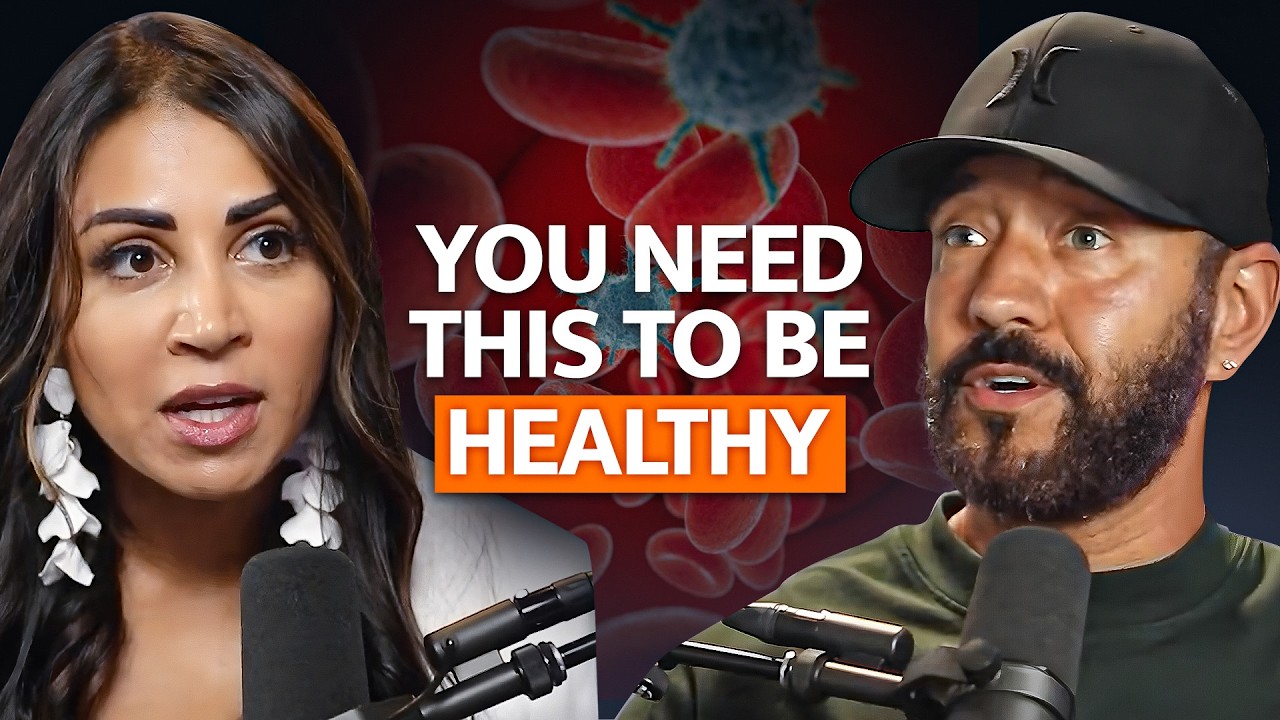
True health is about more than just diet and exercise—it’s about connection, habits, and environment. In this episode of The Model Health Show, I join Dr. Amy Shah to talk about the power of community, shared meals, real food, and how strong relationships impact your microbiome, immune system, and longevity. Learn the two most important things you can do to transform your health—no expensive gadgets required.
Subscribe: https://www.youtube.com/@TheShawnModel?sub_confirmation=1
Watch more videos like this:
Fasting & Autophagy – The Secret Key to Fat Loss Over 40?: https://youtu.be/957kECRdmxA
LONGEVITY: Easy NUTRITION HACKS To Prevent Disease & LIVE LONGER!: https://youtu.be/cHPe7SRb9M0
The BIGGEST LIES You’ve Been Told About Food That KEEP YOU SICK! | Calley Means: https://youtu.be/0VQncGuasPs
How to Prevent Injuries & Heal Faster: https://youtu.be/O_k7IJzC9L0
Playlist: https://www.youtube.com/playlist?list=PL3zvw5sD7WKyUHLrE3d9x_fRBnOPxqmM-
Timestamps:
00:00 – Introduction
00:32 – Importance of Community and Connection
06:44 – Role of Family in Health and Wellness
21:15 – Importance of Eating at the Table
28:23 – Top Health Tips for Beginners
38:39 – Prioritizing Sleep for Better Health
44:08 – Importance of Relationships
Shawn Stevenson is the author of the USA Today National bestsellers Eat Smarter and the Eat Smarter Family Cookbook, as well as the international bestselling book Sleep Smarter. He’s also the creator of The Model Health Show, featured as the number #1 health podcast in the U.S. with millions of listener downloads each year. A graduate of the University of Missouri–St. Louis, Shawn studied business, biology, and nutritional science and became the cofounder of Advanced Integrative Health Alliance. Shawn has been featured in Forbes, Fast Company, The New York Times, Muscle & Fitness, Good Morning America, ESPN, and many other major media outlets.
Get the Eat Smarter Book here: https://eatsmarterbook.com
Start the Fat Loss Code Course here: https://www.thefatlosscode.com
Order the Eat Smarter Family Cookbook here: https://eatsmartercookbook.com
Let’s Connect…
Website: https://themodelhealthshow.com
X: https://twitter.com/ShawnModel
IG: https://www.instagram.com/shawnmodel/
FB: https://www.facebook.com/TheModelHealthShow
