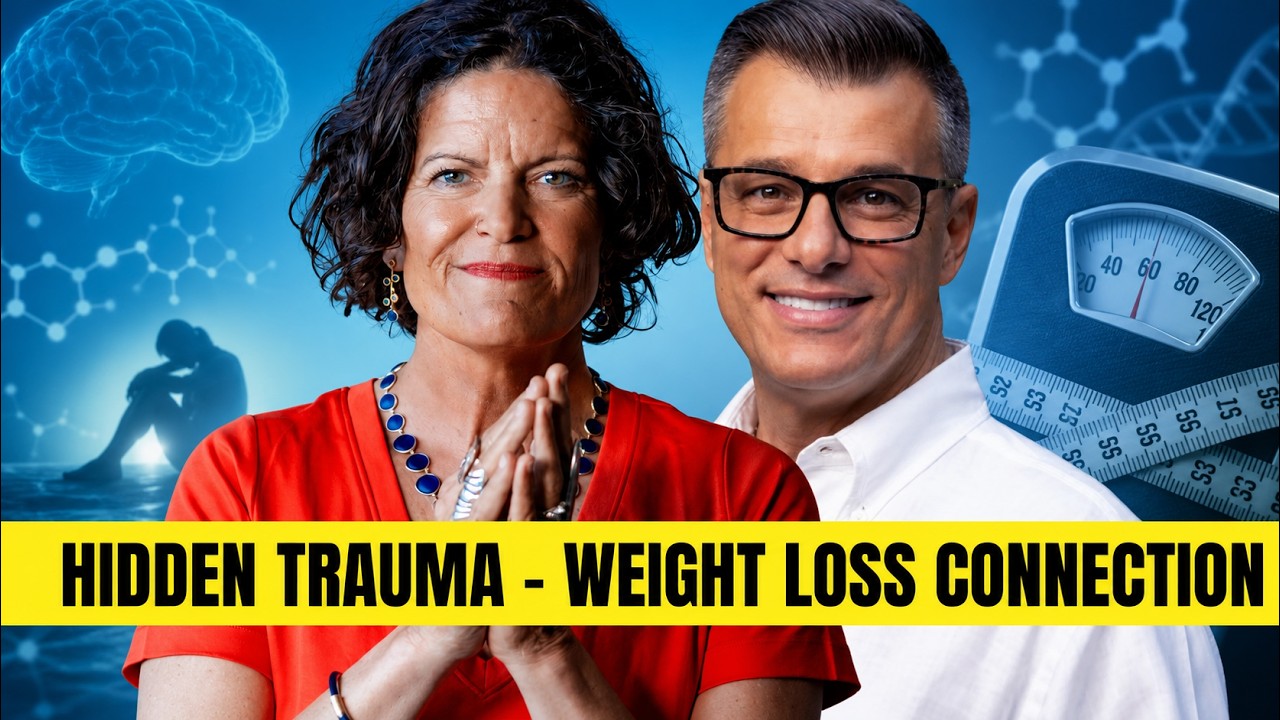
- Trauma and its physiological effects on body weight
- The connection between trauma, stress, and metabolic health
- Understanding insulin sensitivity and its relation to weight management
- Strategies to address trauma for better health outcomes
- The holistic approach to weight loss beyond diet and exercise
Trauma is often an overlooked aspect of weight management, yet its impact on the body can be profound. Many individuals struggle with weight issues despite their best efforts in diet and exercise. It is essential to explore how trauma shapes our physiological responses, particularly in relation to metabolic health. Dr. Frank Anderson’s insights into this connection provide a deeper understanding of why some find it challenging to lose weight effectively.
Trauma affects the body on several levels, triggering a cascade of physiological responses. When individuals experience traumatic events, their bodies enter a state of heightened alertness. This stress response elevates levels of cortisol, a hormone linked to fat storage, especially around the abdomen. Elevated cortisol can disrupt metabolism, leading to challenges in weight management. Furthermore, emotional scars from trauma can lead to unhealthy eating behaviors, as individuals might turn to food for comfort. The psychological impact often contributes to a cyclical pattern where stress leads to overeating, which in turn exacerbates weight issues.
Stress can distort the body’s metabolic processes. When the body perceives danger, it prioritizes immediate survival over prolonged health, affecting insulin and glucose regulation. This prioritization can diminish insulin sensitivity, affecting how the body processes sugar and fat. Insulin resistance, often a precursor to metabolic syndrome, complicates weight loss. In essence, trauma influences not only how people react to stress but also how their bodies store and utilize fat. Gaining insight into this dynamic is crucial for anyone struggling with weight loss, allowing for targeted strategies that address both emotional and physical factors.
Understanding insulin sensitivity is a vital component of managing weight effectively. Insulin, a hormone produced by the pancreas, regulates how the body uses glucose for energy. Resistance to insulin can result in elevated blood sugar levels, prompting the body to store excess energy as fat. To lose weight effectively, improving insulin sensitivity is crucial. Factors such as diet, physical activity, and emotional status can significantly affect how sensitive an individual is to insulin. Those grappling with unresolved trauma may have compromised insulin sensitivity, making weight loss particularly difficult.
Addressing trauma is essential for improving metabolic health and facilitating weight loss. Therapeutic approaches can help individuals process and heal from traumatic experiences. Techniques such as cognitive-behavioral therapy (CBT) have proven effective in rewiring negative thought patterns associated with trauma. Mindfulness practices, including yoga and meditation, can aid in reducing stress levels, improving both mental health and metabolic function. Integrating psychological support can foster a more holistic approach to addressing weight issues, leading to lasting changes in behavior and health outcomes.
In addition to psychological interventions, lifestyle modifications play a critical role in enhancing overall health. A balanced diet, rich in whole foods and low in processed sugars, supports insulin sensitivity and provides essential nutrients for recovery. Regular physical activity not only facilitates weight loss but also boosts mood and reduces stress. By addressing both the physical and emotional dimensions of health, individuals can create a sustainable path toward achieving their weight management goals.
Incorporating these strategies into daily life can yield significant benefits. Focusing on whole foods such as fruits, vegetables, lean proteins, and healthy fats fosters resilience in the face of stress. Engaging in activities that promote physical movement, whether through structured exercise or daily routine changes, contributes to improved health. Building a support system, whether through friends, family, or support groups, can also enhance emotional well-being and provide motivation.
It is essential to recognize that weight loss is not simply about calorie restriction or rigorous exercise. The intersection between trauma and metabolic responses complicates this process. Individuals may need to adopt a dual approach that acknowledges the psychological hurdles while also implementing physiological strategies. By doing so, they create an environment conducive to healing and weight loss.
Navigating weight loss journeys requires understanding that emotional health is tied to physical health. Individuals can break free from cycles of trauma-induced behaviors by emphasizing emotional well-being. This approach not only fosters healthier relationships with food but also promotes motivation and resilience. Successful weight management may lie in the synthesis of healing mind and body, illuminating paths toward optimal health.
Embarking on this journey can be daunting, but overcoming trauma is vital for reshaping how individuals relate to food, stress, and their own bodies. Educating oneself on the profound effects of trauma on both mental and metabolic health can pave the way for more informed choices. As knowledge grows, so too does the capacity for resilience.
By confronting the hidden impact of trauma, individuals can cultivate healthier lifestyles, enabling them to overcome weight-related challenges. Change is possible, and with the right tools and support, many will find healing not just in their bodies but in their lives as a whole. Embracing this comprehensive approach holds the promise of revitalizing health and well-being in a profound way.
*****
Source Description
Download my FREE Nervous System Reset Guide: https://bit.ly/3QOcQEW
Can you heal trauma by talking about it? According to Harvard-trained psychiatrist Dr. Frank Anderson, not always.
In this conversation, Dr. Mindy and Dr. Anderson explore why trauma becomes stored in the body, why menopause often brings unresolved trauma to the surface, and how healing happens through nervous system regulation, body-based therapies, and small daily corrective experiences.
You’ll also learn about emotional eating, fasting, EMDR, Internal Family Systems, psychedelics, and why understanding your body’s responses is one of the most empowering steps toward healing.
—
RESOURCES MENTIONED
• The Body Keeps the Score by Bessel van der Kolk
• Transcending Trauma by Frank Anderson
• Age Like a Girl: https://bit.ly/alagbook
• Reset Academy: https://bit.ly/3Iv1scy
—
MORE FROM DR. FRANK ANDERSON
Website: https://frankandersonmd.com
YouTube: https://www.youtube.com/c/FrankAndersonMD
Instagram: https://www.instagram.com/frank_andersonmd/
—
Listen to The Live Like a Girl Podcast 🎧 New episodes drop every Monday & Wednesday!
Spotify: https://open.spotify.com/show/6j6ML4pYocMLahMODUtYt5
Apple Podcasts: https://podcasts.apple.com/us/podcast/live-like-a-girl-with-dr-mindy-pelz/id1503897906
—
Follow Dr. Mindy:
Substack: / drmindypelz
Facebook: / drmindypelz
Facebook Group: / resetters
Instagram: / dr.mindypelz
Tiktok: / drmindypelz
—
CREDITS:
Photography: Wendy Yalom Photography
Video Editor: Patrick Hogan
—
AFFILIATE DISCLAIMER
https://drmindypelz.com/affiliate-dis…
***** Please note the following medical disclaimer: By viewing this video you understand that this video is for educational purposes only. It is not intended to substitute for professional medical advice and should not be relied on as health or personal advice. Always seek the guidance of your doctor with any questions you may have regarding your health or medical condition. You also understand and agree that the terms of our Privacy Policy and Terms of Service apply to your interaction with us.