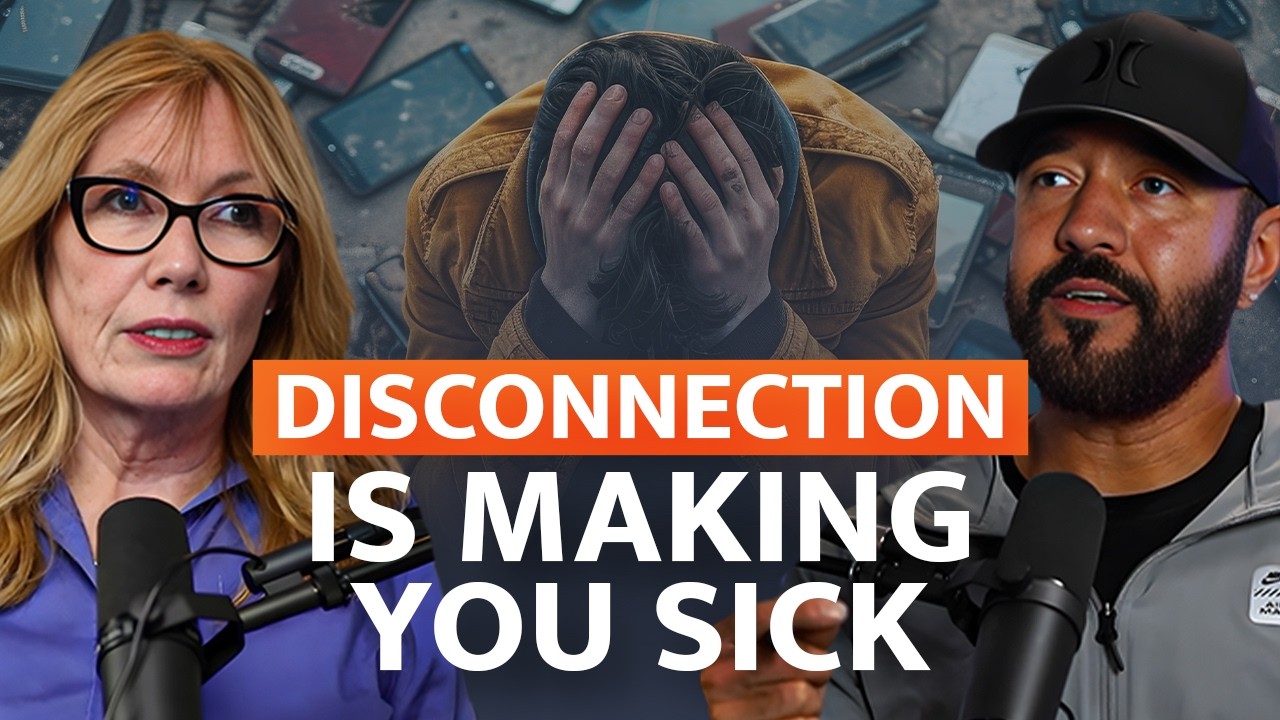
- Trauma’s impact on brain function and structure
- The physiological effects of trauma on the body
- How trauma influences relationships and social interactions
- Strategies for healing from trauma
- The role of nutrition and lifestyle changes in recovery
Understanding what trauma does to your brain, body, and relationships provides essential insights into the benefits of healing. Trauma is a complex phenomenon that affects individuals both physically and psychologically. The repercussions can be profound, shaping the way a person perceives the world and interacts with others. Examining how trauma alters brain functions, bodily responses, and interpersonal relationships can pave the way for meaningful recovery.
Trauma’s impact on brain function and structure is particularly significant. When a traumatic event occurs, the brain’s response hinges on the activation of the amygdala, the center for processing emotions. This area becomes hyperactive, leading to increased feelings of fear and anxiety. Concurrently, the prefrontal cortex, responsible for rational thinking and decision-making, may become less active. These shifts can impair an individual’s ability to think clearly and manage emotions effectively.
Neuroimaging studies highlight changes in the brain’s structure. For example, trauma can lead to a decrease in the size of the hippocampus, crucial for memory formation and emotional regulation. This alteration can result in difficulty recalling certain events and managing emotional responses. Moreover, the prolonged exposure to stress hormones, like cortisol, directly affects brain health, potentially resulting in long-term damage.
The physiological effects of trauma on the body are equally troubling. Trauma can manifest as physical ailments due to the body’s stress response. Chronic stress often leads to conditions such as elevated blood pressure, gastrointestinal problems, and weakened immunity. Trauma may trigger an overproduction of stress hormones, causing the body to remain in a state of alertness. This state of hyperarousal can lead to exhaustion and burnout, physically depleting an individual.
Additionally, trauma can affect insulin sensitivity. Prolonged stress can lead to insulin resistance, a condition that puts individuals at higher risk for metabolic diseases. When the body cannot respond properly to insulin, glucose remains in the bloodstream instead of entering cells for energy, leading to a range of health complications including obesity and type 2 diabetes. Thus, addressing trauma is not only a psychological necessity but also a health imperative.
Beyond the brain and body, trauma profoundly influences relationships and social interactions. Individuals with trauma histories might struggle with trust and connection. Emotional dysregulation can lead to conflict in personal and professional relationships. People may feel isolated or misunderstood, further exacerbating feelings of loneliness and alienation. Social withdrawal is common among those who have experienced trauma, as they may find it challenging to engage with others without feeling overwhelmed.
Trauma can also perpetuate a cycle of distress in relationships. For example, individuals who have suffered from trauma might project their unresolved hurt onto loved ones. This dynamic can lead to increased tension and misunderstandings, creating a barrier to healthy communication. It becomes crucial for individuals to recognize these patterns and seek healing both personally and relationally.
Strategies for healing from trauma can vary widely depending on individual needs. Psychological therapies, such as Cognitive Behavioral Therapy (CBT) and Eye Movement Desensitization and Reprocessing (EMDR), have shown effectiveness in addressing trauma-related symptoms. These therapies can help reframe negative thought patterns and desensitize individuals to traumatic memories.
Mindfulness practices also provide valuable tools. Techniques such as meditation, deep breathing, and yoga can help regulate emotions, decrease anxiety levels, and foster present-moment awareness. These practices support emotional resilience and can aid in rebuilding a sense of safety within oneself.
Another vital aspect of recovery involves lifestyle changes, particularly concerning nutrition. Nutrition plays a key role in overall mental and physical health. A balanced diet rich in whole foods can support brain function and emotional stability. For instance, omega-3 fatty acids found in fish have been associated with lower levels of depression and improved cognitive function. Antioxidant-rich foods can also combat inflammation, which is often heightened in individuals experiencing trauma.
Incorporating a variety of whole grains, fruits, and vegetables into daily meals can help stabilize blood sugar levels. This stabilization is particularly important as fluctuating glucose can influence mood and energy levels. Hydration also plays a critical role; staying well-hydrated supports cognitive clarity and can ease feelings of anxiety.
Exercise is another crucial factor in promoting recovery from trauma. Physical activity has been shown to release endorphins, natural chemicals in the brain that improve mood. Regular exercise can also serve as a powerful stress reliever, helping to reduce the physical effects of trauma. Engaging in activities that are enjoyable can cultivate a sense of accomplishment and foster social connections.
The integration of support systems cannot be understated. Engaging with friends, family, or support groups can create a nurturing environment for healing. Sharing experiences with others who have faced similar challenges can lessen feelings of isolation. Supportive relationships can provide validation and understanding, contributing to a sense of belonging and restoration.
The journey towards healing from trauma involves addressing the intricate relationships between the brain, body, and social connections. Strategies that encompass mental, physical, and emotional healing can create a comprehensive approach to recovery. Understanding the effects of trauma can empower individuals to take charge of their spaces, fostering resilience and hope in the path ahead.
Recovery from trauma may not be linear, but with dedication and the right strategies, it is possible to reclaim a sense of agency and well-being. A holistic approach that includes therapy, lifestyle adjustments, nutrition, and social support can significantly improve the quality of life for individuals navigating the aftermath of traumatic experiences. The multifaceted nature of trauma necessitates an equally layered response, combining psychological strategies with lifestyle choices that foster resilience and recovery.
*****
Source Description
Our guest on today’s show is author and trauma coach, Anna Runkle. Her mission is to help folks across the world heal their trauma symptoms with self-directed regulation exercises. In this interview, Anna is sharing her story of overcoming trauma and how to break toxic patterns of loneliness, isolation, and unhealthy relationships.
You’re going to unlock the mindset shifts and tools you need to break the cycle of negative patterns. This episode is all about tapping into healing and connection so you can find true peace and joy. I hope you enjoy this interview with Anna Runkle!
Subscribe: https://www.youtube.com/TheShawnModel?sub_confirmation=1
Watch more videos like this:
Playlist: https://www.youtube.com/watch?v=q0dlHe2lnPk&list=PL3zvw5sD7WKxTXOzUO5FoyMN9-1I4HpDx
Timestamps:
00:00 – Introduction
01:19 – Anna Runkel’s Journey and Insights
12:12 -The Impact of Trauma on Relationships
31:58 – The Healing Power of Writing Things Down
38:31 – Reflecting on Your Childhood Trauma
52:57 – The Daily Practice for Emotional Regulation
01:00:31 – The Importance of Connecting with Others
01:08:29 – Final Thoughts & Takeaways
Shawn Stevenson is the author of the USA Today National bestsellers Eat Smarter and the Eat Smarter Family Cookbook, as well as the international bestselling book Sleep Smarter. He’s also the creator of The Model Health Show, featured as the number #1 health podcast in the U.S. with millions of listener downloads each year. A graduate of the University of Missouri–St. Louis, Shawn studied business, biology, and nutritional science and became the cofounder of Advanced Integrative Health Alliance. Shawn has been featured in Forbes, Fast Company, The New York Times, Muscle & Fitness, Good Morning America, ESPN, and many other major media outlets.
Get the Eat Smarter Book here: https://eatsmarterbook.com
Start the Fat Loss Code Course here: https://www.thefatlosscode.com
Order the Eat Smarter Family Cookbook here: https://eatsmartercookbook.com
Let’s Connect…
Website: https://themodelhealthshow.com
X: https://twitter.com/ShawnModel
IG: https://www.instagram.com/shawnmodel/
FB: https://www.facebook.com/TheModelHealthShow
