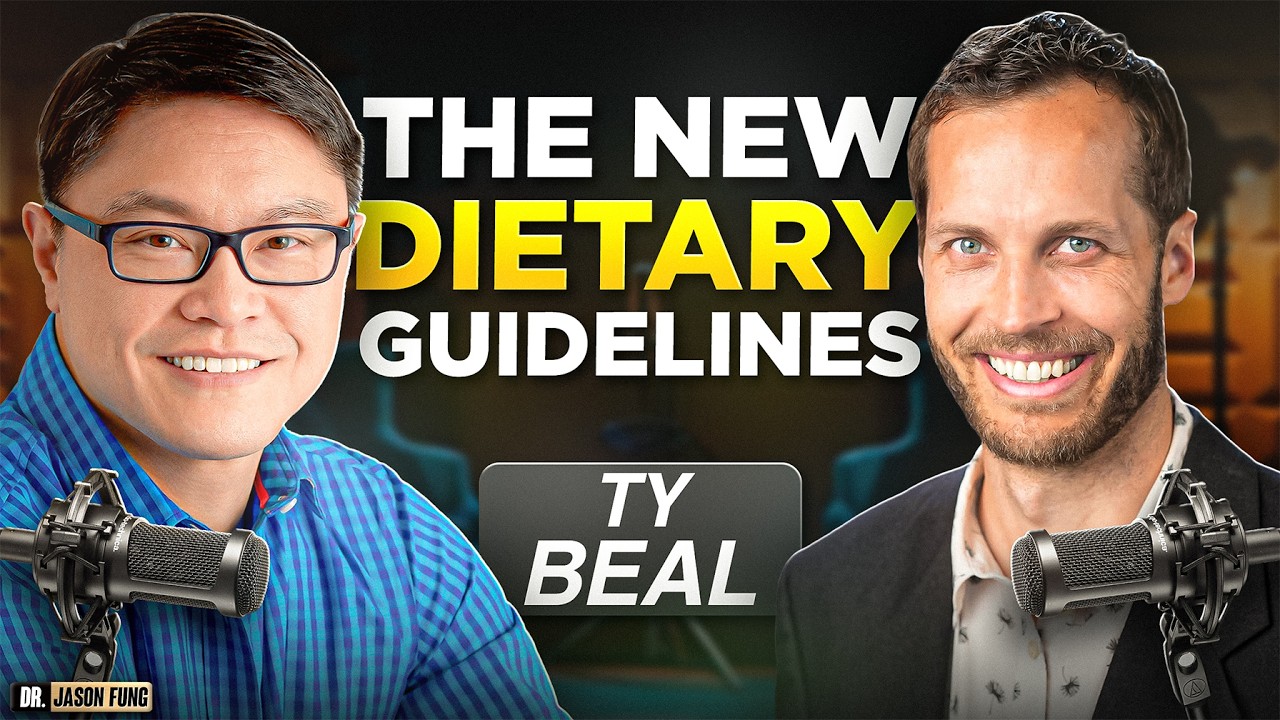
- The evolution of dietary guidelines and their implications for public health.
- The impact of the latest dietary guidelines on metabolic disease and insulin sensitivity.
- Highlights from Ty Beal’s interview regarding research on diet and nutrition.
- Common criticisms and challenges related to dietary guidelines.
- Practical advice for implementing dietary recommendations in daily life.
The development of dietary guidelines has undergone significant transformation since their inception. Originally intended to combat nutritional deficiencies, these guidelines have morphed into comprehensive tools aimed at promoting overall health. By analyzing the evolution of these directives over the decades, one can appreciate how they respond to emerging health crises, particularly with respect to diets high in sugar and processed foods.
Early dietary guidelines primarily focused on preventing deficiencies in vitamins and minerals. However, with the rise of chronic illnesses linked to lifestyle choices, the narrative shifted. This change paved the way for guidelines that emphasize not just the quantity of nutrients, but also the quality of foods consumed. As the understanding of nutrition progressed, it became clear that not all calories are created equal. The current emphasis is on whole, unprocessed foods and balanced macronutrient distributions.
Central to this discussion is the relationship between the latest dietary guidelines and metabolic diseases. Conditions such as type 2 diabetes, obesity, and cardiovascular diseases are now viewed through the lens of dietary choices. Research continuously highlights the role of diet in managing insulin sensitivity, a crucial factor in reducing the risk of metabolic disorders. The latest guidelines advocate for diets rich in fiber, healthy fats, and lean proteins while minimizing added sugars and refined carbohydrates. This focus aims to improve metabolic health, making it a critical component of the conversation about dietary guidelines.
Insights from Ty Beal’s interview provide a valuable perspective on current research surrounding dietary guidelines. Beal emphasizes the importance of individualized nutrition, acknowledging that one-size-fits-all approaches may not be effective. Instead, there is a growing consensus that nutritional strategies should consider personal health backgrounds, genetic predispositions, and lifestyle factors. This individualized approach can enhance insulin sensitivity and optimize metabolic health.
Beal also discusses the importance of addressing food systems in relation to dietary guidelines. Socioeconomic factors heavily influence food accessibility and choices. Many individuals live in “food deserts” where healthy options are limited, leading to nutritional disparities. Crafting guidelines that consider these systemic barriers is essential in making substantial public health advancements. Effective communication about dietary recommendations must also be emphasized to enhance comprehension and practicality for diverse populations.
Despite the strength of the dietary guidelines, they are not without criticism. Detractors often argue that the guidelines do not sufficiently incorporate the latest research on nutrition. For example, the inclusion of saturated fats in dietary recommendations has sparked debate. Some studies suggest that not all saturated fat sources are harmful, while others argue for stricter limitations. Hence, ongoing research remains paramount in refining dietary guidelines to reflect current knowledge.
Furthermore, the contrasting views within the scientific community can create confusion among the public. Disseminating clear, evidence-based messages regarding the benefits of specific diet patterns is crucial. High-stakes debates among researchers can overshadow the simple, actionable advice that individuals need to enhance their health. Therefore, confronting these challenges while keeping communication clear and accessible is vital to advancing public health initiatives.
One practical way to approach the latest dietary guidelines is to incorporate specific strategies into daily routines. First, focusing on whole foods is one of the most straightforward methods to enhance diet quality. Integrating fruits, vegetables, whole grains, and lean proteins into meals can have immediate benefits on health and wellbeing. Additionally, reducing reliance on processed foods can significantly mitigate the risks associated with metabolic diseases.
Meal prepping can be an effective tactic for those looking to improve their diet. By preparing meals in advance, individuals are less likely to resort to unhealthy last-minute choices that are often high in sugar and unhealthy fats. By creating a balanced meal plan, it becomes easier to follow dietary guidelines.
Education also plays a significant role in empowering individuals to make informed dietary changes. Offering workshops or community programs that focus on nutrition literacy can bridge knowledge gaps. Understanding how to read nutrition labels, identify added sugars, and discern healthy fats from harmful ones enables people to make better choices.
Adopting mindful eating practices can further enrich one’s dietary habits. Paying attention to hunger cues, savoring meals, and reducing distractions during eating can foster a more positive relationship with food. This, in turn, contributes to better insulin sensitivity and overall health.
The conversation surrounding dietary guidelines should also include the impact of cultural diversity on food choices. Different populations have unique dietary practices, and understanding these cultural elements can help tailor nutrition advice in meaningful ways. It’s essential that dietary recommendations do not alienate certain groups but rather resonate with their traditional foods and practices.
The role of technology in nutrition should not be overlooked. Mobile apps that track dietary intake and offer personalized recommendations are becoming increasingly popular. These digital tools can help individuals adhere to dietary guidelines, providing support in real time. They also offer a unique opportunity to collect data on eating patterns, which can be invaluable in research and public health efforts.
In sum, the ongoing dialogue surrounding dietary guidelines reflects an evolving understanding of nutrition’s role in public health. With input from experts like Ty Beal, there is a clear movement towards individualized, accessible, and culturally sensitive dietary recommendations. In addressing the complexities of food systems and health disparities, progress can be made in improving overall health outcomes, particularly concerning metabolic diseases and insulin sensitivity.
As dietary guidelines continue to evolve, engaging the public in these discussions is crucial. Making nutritional information accessible and understandable empowers individuals to take control of their health. Practical strategies, ongoing education, and acknowledgment of cultural factors can create a more informed society characterized by better dietary choices. By integrating these facets into the ongoing conversation around dietary guidelines, we can work towards a healthier population that embraces informed eating as a foundational aspect of wellbeing.
*****
Source Description
Most people are told to eat less, count calories, and “try harder.”
But what if that advice is the real reason so many people struggle with weight and health?
In this broadcast, we dive deep into why controlling hunger matters more than counting calories, and how your body’s hormones—not willpower—play the biggest role in fat loss and metabolic health.
You’ll learn:
● Why calorie restriction often backfires
● How hunger is driven by hormones like insulin
● Why feeling hungry all the time is NOT your fault
● What actually helps you eat less without suffering
● How a metabolic approach changes long-term results
This conversation is especially helpful if you’ve tried diets before and felt stuck, frustrated, or blamed yourself for “not being disciplined enough.”
The goal here isn’t quick fixes.
It’s understanding your body—so results finally make sense.
👇 Join the conversation
Have you ever felt hungry even while dieting or eating “healthy”?
Share your experience in the comments.
👍 If this discussion helped you, like the video and subscribe for more science-based insights on fasting, hunger, and metabolic health.
▬▬▬▬▬▬▬▬▬▬▬▬▬▬▬▬▬▬▬▬▬▬▬
⏱️ Chapters / Timestamps
00:00 – Why This Conversation Matters (Broadcast Introduction)
👉 Strong opening + context set
02:10 – The Biggest Mistake People Make About Dieting
👉 Relatable pain point (early retention)
05:05 – Calories vs Hunger: What Actually Drives Weight Gain
👉 Core topic + SEO keyword
08:40 – Why Willpower Fails in Long-Term Weight Loss
👉 Mindset shift → rewatch value
12:20 – The Role of Insulin in Hunger & Fat Storage
👉 Science + authority building
16:30 – Why Eating Less Often Makes You Hungrier
👉 Pattern break (attention reset)
20:05 – What Most Diet Advice Gets Completely Wrong
👉 Curiosity-driven chapter
23:40 – A Better Way to Think About Food & Hunger
👉 Solution-focused section
27:10 – Metabolic Health vs Calorie Control
👉 Broad concept (suggested videos friendly)
30:40 – Who This Approach Works Best For
👉 Audience self-identification → engagement
34:10 – Final Takeaways & Closing Thoughts
👉 Clean close + trust building
37:18 – End of Broadcast
=============================
📌 BOOKS:
👉 The Obesity Code – Reviewing underlying physiology of weight loss and how low carb diets and fasting can help. https://www.amazon.com/dp/1771641258?…
👉 The Diabetes Code – Reviewing how type 2 diabetes is a reversible disease and dietary strategies. https://www.amazon.com/dp/B0795BLS8D?…
👉 The Cancer Code – Scientific exploration of how cancer develops – https://www.amazon.com/dp/0062894005?…
📌 Amazon:
👉 USA – https://www.amazon.com/shop/jasonfung
👉 Canada – https://www.amazon.ca/shop/jasonfung
▬▬▬▬▬▬▬▬▬▬▬▬▬▬▬▬▬▬▬▬▬▬▬
📌 Please visit our :-
🔹 Website – https://www.doctorjasonfung.com
🔹 Blog- / drjasonfung
🔹 Community- https://www.thefastingmethod.com
🔹 Facebook – / jason.fung.313
🔹 Instagram – / drjasonfung
🔹 Twitter – / drjasonfung
▬▬▬▬▬▬▬▬▬▬▬▬▬▬▬▬▬▬▬▬▬▬▬
📌 YouTube Medical Lectures (for specialist physicians):
▶️ The Roots of the Obesity Epidemic: https: // • The Obesity Epidemic, Explained
▶️ Therapeutic Fasting – The Two Compartment Problem:https: // • Fasting and Weight Loss – Solving the…
▶️ Does Calorie Counting work?: • Why Calorie Counting rarely leads to …
▶️ Two Big Lies of Type 2 Diabetes: • Two Big Lies about Type 2 Diabetes
▬▬▬▬▬▬▬▬▬▬▬▬▬▬▬▬▬▬▬▬▬▬▬
If you liked the video, Please Do Subscribe My Channel 😉😍
Keep Supporting me So I can Continue to provide you with free content each week!!😇
▬▬▬▬▬▬▬▬▬▬▬▬▬▬▬▬▬▬▬▬▬▬▬
😍 😍 Thank you for Watching!