- The importance of exercise for individuals over 50
- Recommended exercises that provide comprehensive benefits
- Key modifications and safety considerations
- The role of diet and nutrition in supporting exercise
- Understanding metabolic health and insulin sensitivity
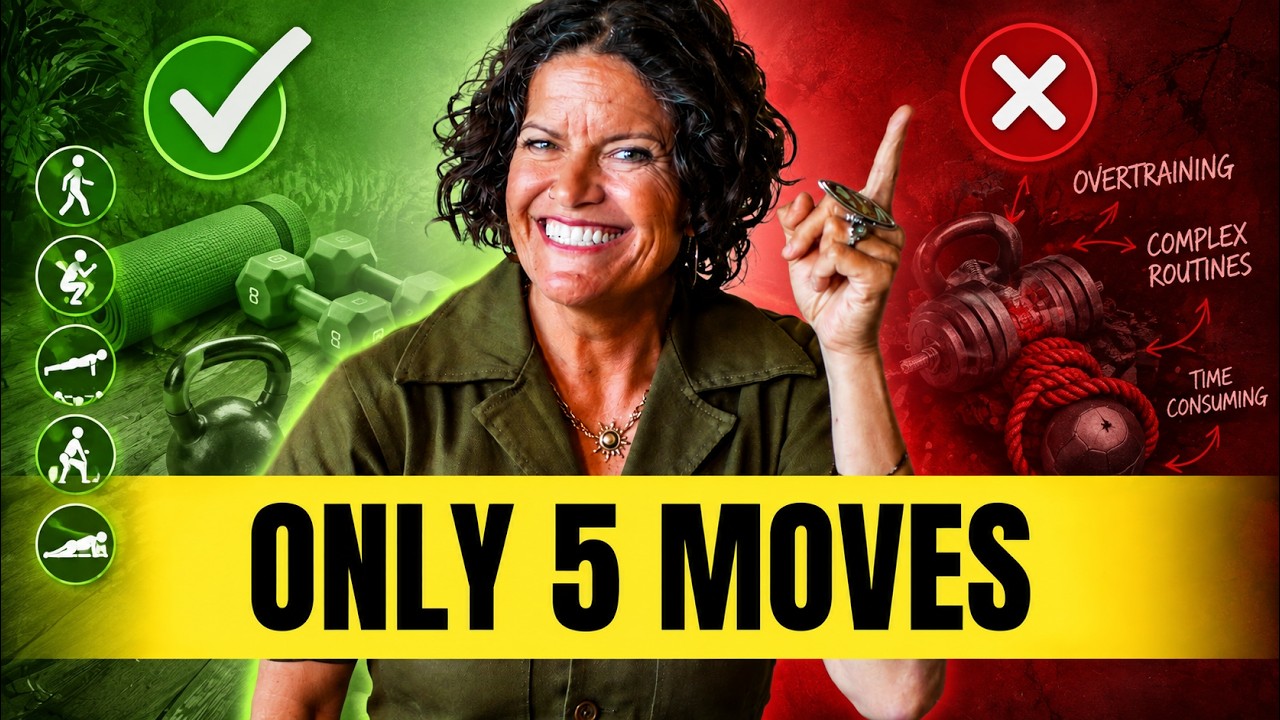
Individuals over the age of 50 face various physical and metabolic changes that can have significant impacts on overall health and well-being. Regular exercise becomes crucial during this phase of life, not only for maintaining physical fitness but also for safeguarding against chronic diseases like diabetes and cardiovascular issues. Focusing on a few select exercises can yield substantial benefits, fostering both strength and functional mobility.
Achieving optimal health after 50 can be significantly influenced by the type and frequency of exercises performed. Among the most beneficial activities are strength training, aerobic exercises, flexibility routines, balance workouts, and low-impact cardio conditioning. Each exercise category serves a distinct purpose but interrelates to create a holistic approach to fitness.
Strength training is perhaps the cornerstone of any exercise regimen for those over 50. It enhances muscle mass, which typically declines with age due to a natural process known as sarcopenia. Muscle mass not only contributes to strength but also plays a critical role in metabolic health. Increased muscle improves insulin sensitivity, a vital factor in mitigating risks for metabolic diseases such as Type 2 diabetes. Studies indicate that regular resistance training can lead to improvements in glycemic control, making it easier for the body to regulate blood sugar levels.
Incorporating exercises like weight lifting, resistance bands, or body-weight exercises such as squats and push-ups can improve muscle strength. These exercises can be performed several times a week, focusing on all major muscle groups, ideally at least twice weekly. It’s important to start with lighter weights or resistance bands and gradually increase the load as strength improves.
Aerobic exercises, including walking, cycling, and swimming, enhance cardiovascular fitness and foster endurance. Even short bursts of moderate activity, ideally totaling about 150 minutes per week, have been shown to decrease risks of heart disease and improve overall cardiovascular function. Engaging in regular aerobic activity enhances circulation, which is crucial for delivering oxygen and nutrients to muscle tissues, further supporting strength training efforts.
Equally important is the emphasis on flexibility exercises, like yoga and stretching routines. These activities help maintain joint range of motion, reduce the risk of injury, and alleviate stiffness that can accompany aging. Dedicated flexibility routines can also be incorporated into daily activities, promoting consistent movement in everyday life. Simple stretches, focusing on major muscle groups and joints, can facilitate better mobility and enhance quality of life.
Balance exercises deserve special mention, as they play a critical role in preventing falls, a primary concern for those aged 50 and up. Activities such as tai chi, standing on one leg, or using stability balls can significantly improve balance and coordination. With a focus on stability, these exercises can reduce the risk of falls, subsequently preventing injuries that might otherwise lead to complications in later life.
While discussing exercise cannot overlook the concomitant role of nutrition in overall health. A balanced diet is essential for supporting physical activity and promoting metabolic health. Key nutrients are vital to help the body recover from exercises and support daily functions. A focus on whole foods, rich in vitamins, minerals, healthy fats, and lean proteins, fosters better health outcomes and aligns well with a fitness routine.
The incorporation of adequate protein, particularly post-exercise, facilitates muscle recovery and helps stimulate muscle protein synthesis. Foods like lean meats, fish, legumes, and plant-based proteins should be staples in the diet. Additionally, ensuring proper hydration plays a crucial role in overall performance and recovery.
Furthermore, understanding metabolic health is imperative when engaging in physical activities. For those over 50, insulin resistance can become a significant concern. Insulin sensitivity is the body’s ability to effectively use insulin, a hormone critical for metabolizing carbohydrates and fats. It can decline with age or due to poor dietary choices, leading to metabolic disorders. Regular exercise can improve insulin sensitivity, serving as a preventative measure against conditions like Type 2 diabetes.
The relationship between exercise intensity and insulin sensitivity is well-documented. Moderate to vigorous physical activity not only aids in glucose metabolism but can also help regulate weight. Alterations in body composition through consistent exercise positively impact insulin action, thereby enhancing metabolic function.
Safety should also be a primary consideration for anyone engaging in physical activity later in life. It is vital to consult with a healthcare provider before starting any new exercise regime, especially if there are pre-existing health conditions. Starting slowly, listening to one’s body, and rest days are equally important. Modifications can be made as necessary to adapt to one’s abilities, ensuring a sustainable and enjoyable routine.
The journey of maintaining health and fitness after 50 can be both rewarding and fulfilling. Embracing a mixture of strength training, aerobic exercises, flexibility routines, balance workouts, and careful nutritional practices aligns to support an active and healthy lifestyle. This combination can lead to improved muscle mass, cardiovascular health, enhanced mobility, and better metabolic balance, fostering an improved quality of life as one ages.
Understanding the interconnectedness of exercise and diet underpins the broader narrative of health after 50. As individuals invest in these areas, they actively contribute to their own longevity and vitality. Engaging in these recommended exercises and prioritizing nutrition can promote not only individual health but also community awareness about the importance of maintaining an active lifestyle in later years.
Regularly engaging in exercise, tailored for those over 50, helps combat the natural decline in physical capacities and addresses the specific challenges associated with aging. By making informed choices, individuals can positively influence their well-being, proving that one can actively shape their health trajectory well into their golden years.
A commitment to a well-rounded exercise regimen, supported by adequate nutrition, forms the bedrock of healthful living post-50. It is an age where taking charge of health becomes more crucial, where maintaining mobility, energy, and quality of life can make all the difference. By focusing on these principles, individuals can thrive while encouraging others to follow suit, creating an empowering culture of health and wellness.
*****
Source Description
Join me for my FREE Fast Training Week, August 10-14: https://resetacademy.drmindypelz.com/lm-ftw-fc?utm_source=youtube&utm_medium=social&utm_term=&utm_content=&utm_campaign=fc-ftw
OPEN ME 👇 FOR RESOURCES MENTIONED
RESOURCES MENTIONED:
Reset Academy: https://resetacademy.drmindypelz.com/reset-academy?utm_source=youtube&utm_medium=social&utm_term=&utm_content=loc-desciption&utm_campaign=reset-academy
Fast Like a Girl Certified Coaches: https://www.drmindypelz.com/find-a-coach
Books: http://www.drmindypelz.com/books
Qualia Creatine+ (Use Code PELZ for 15% Off): https://www.qualialife.com/shop/qualia-creatine?rfsn=5237174.cd3714
Dr. Frank Anderson Interview: https://www.youtube.com/watch?v=AtdeD9FjrQ8
Dr. Stacy Sims Interview: https://www.youtube.com/watch?v=ndtjLr6EOk8&t=22s
RESEARCH MENTIONED:
https://pmc.ncbi.nlm.nih.gov/articles/PMC11147802/pdf/dyae074.pdf
https://peerj.com/articles/20190
https://link.springer.com/article/10.1007/s40279-021-01562-2
STAY CONNECTED WITH ME:
Facebook: https://www.facebook.com/drmindypelz
Facebook Group: https://www.facebook.com/groups/resetters
Instagram: https://www.instagram.com/dr.mindypelz
Substack: https://substack.com/@drmindypelz
Tiktok: https://www.tiktok.com/@drmindypelz
LIVE LIKE A GIRL PODCAST:
Apple Podcast: https://podcasts.apple.com/us/podcast/live-like-a-girl-with-dr-mindy-pelz/id1503897906
Spotify: https://open.spotify.com/show/6j6ML4pYocMLahMODUtYt5
CREDITS:
Photos: Wendy Yalom Photography
Video Editor: Isaac Gonzalez
Affiliate Disclaimer: https://www.drmindypelz.com/disclaimers
*****
Please note the following medical disclaimer: By viewing this video you understand that this video is for educational purposes only. It is not intended to substitute for professional medical advice and should not be relied on as health or personal advice. Always seek the guidance of your doctor with any questions you may have regarding your health or medical condition. You also understand and agree that the terms of our Privacy Policy and Terms of Service apply to your interaction with us.