Summary of This Little-Known Japanese Fruit Could Help Stop Lung Cancer Before It Starts:
Researchers from Okayama University have discovered that juice from Actinidia arguta, also known as sarunashi or kiwiberry, can potentially suppress lung cancer development in mice exposed to carcinogens. In their study, published in Genes and Environment, the juice reduced lung tumor formation and limits tumor nodules.
The juice appears to protect DNA from damage caused by carcinogenic chemicals and may promote DNA repair. Additionally, it inhibits a protein, Akt, that contributes to cancer growth. A follow-up study indicated that tea made from the plant’s leaves also showed protective effects against mutagens and reduced precancerous changes in colorectal cancer models.
While the findings are promising, further clinical trials are needed to assess the potential of these compounds in cancer prevention. The research highlights sarunashi’s dual ability to target both the initiation and progression of cancer.
*****
Key Highlights
- Sarunashi (Actinidia arguta): A little-known Japanese fruit, close relative to the kiwiberry, shows promise for cancer prevention.
- Scientific Discovery: Recent studies indicate that sarunashi juice may inhibit lung tumor development in mice exposed to tobacco-related carcinogens.
- Mechanisms Identified: The juice appears to enhance DNA repair processes while suppressing critical proteins linked to cancer progression.
- Broader Implications: Beyond lung cancer, the fruit’s compounds may play roles in preventing other forms of cancer, including colorectal cancer.
- Future Potential: Despite early findings, clinical trials are necessary to fully understand the potential of sarunashi in human health.
This Little-Known Japanese Fruit Could Help Stop Lung Cancer Before It Starts
Have you ever taken a moment to wonder about the foods you eat and their potential impact on your health? What if something as simple and unassuming as a small fruit could hold the key to preventing one of the most deadly diseases? Welcome to the world of sarunashi, a fruit originating from the lush landscapes of Japan, which is rapidly gaining attention for its extraordinary properties.
What is Sarunashi?
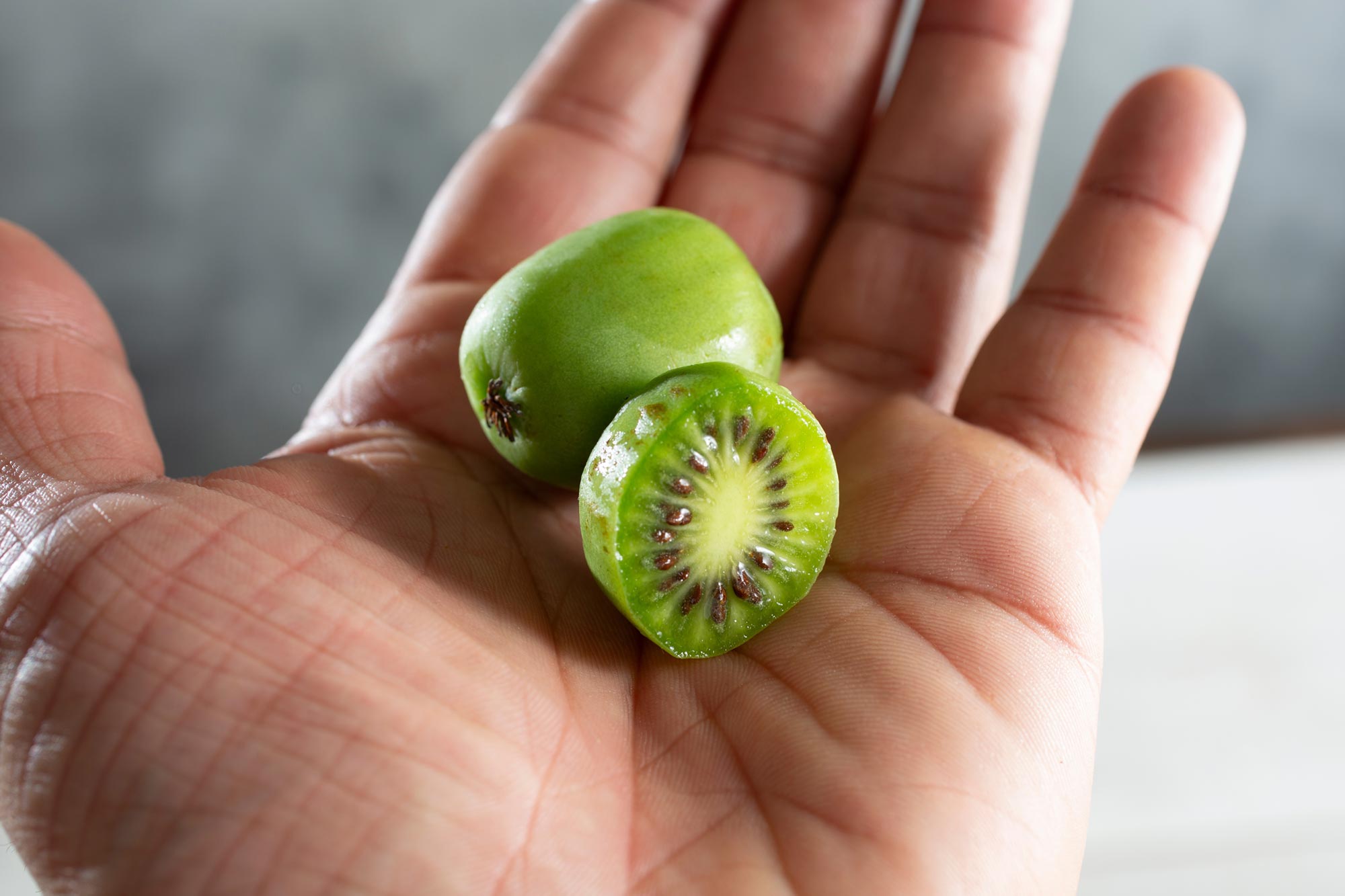
Officially named Actinidia arguta, or sarunashi, this unique fruit is a member of the kiwifruit family. It’s tiny, smooth-skinned, and reminiscent of the familiar kiwi, but unlike its fuzzy cousin, sarunashi packs a more delicate bite. Traditionally enjoyed fresh, this delightful little fruit bears a sweetness that rivals the finest desserts, yet conceals a trove of health benefits.
In a scientific breakthrough, researchers at Okayama University have directed their focus to the juice of this fruit, uncovering its potential to supersede the known benefits of many fruits in the fight against cancer. Although this discovery might seem astonishing, what lies beneath the surface of this modest fruit warrants a closer examination.
The Unfolding Story of Cancer Research
Lung cancer has carved its dark legacy as the leading cause of cancer-related death globally. What’s alarming is that smoking remains a significant risk factor, causing researchers to tirelessly search for preventive measures. Amid this grim landscape, sarunashi emerges as a beacon of hope.
In a pioneering study published in the journal Genes and Environment, scientists exposed mice to NNK, a tobacco-related carcinogen. When these mice were given sarunashi juice, the effects were nothing short of remarkable. The results showed a significant reduction in lung tumor formation. Additionally, researchers observed a decrease in the number of tumor nodules present in the lungs of the affected mice. But how does this work?
The Mechanisms Behind the Magic
Diving deeper into the science, we discover that the juice of sarunashi acts as more than just a protective shield. It targets multiple pathways linked to cancer development. The core of this effect seems to live in the way sarunashi juice interacts with proteins that facilitate tumor growth.
One particular protein, called Akt, plays a crucial role in driving cancer progression. Fascinatingly, the presence of sarunashi juice was found to suppress Akt and its cancer-promoting actions, potentially interfering with the initial stages of tumor development and limiting their capacity to grow.
But that’s not all. The juice also exhibited the ability to mend damaged DNA, offering a dual-layer of defense against cancer onset. Think about that for a moment: a fruit capable of not only reducing the formation of tumors but also repairing the very cells that could harbor potential mutations. This adds an extraordinary twist to our understanding of nutrition and disease prevention.
The Broader Implications
The context of cancer prevention doesn’t stop at lung cancer. In follow-up studies, researchers turned their attention to colorectal cancer models, utilizing a chemical known to induce precancerous changes. Here too, sarunashi tea—made from the leaves and twigs of the plant—demonstrated a significant reduction in abnormal cell growth, an encouraging signal that sarunashi may contribute to cancer prevention across various types.
In essence, by mitigating factors that contribute to the early stages of cancer—and by addressing genetic harm—sarunashi unveils a broader spectrum of health benefits that could reverberate in various fields of oncology.
A Journey Through Time
The historical roots of sarunashi can be traced back to the regions of Japan, Korea, Northern China, and the Russian Far East. In many traditional cultures, fruit often symbolizes vitality and health; sarunashi is no exception. Its harvest season often ushers in celebrations, where communities come together to share and enjoy its unique flavors while reflecting on their rich heritage.
What if this fruit, revered by many in its native region, takes on a role not just as a culinary delight but as an ally in health? The thought profoundly transcends conventional uses of food, shifting it from mere consumption to a targeted approach for promoting longevity and well-being.
Future Directions: What Lies Ahead?
Despite these enticing findings, a degree of caution is necessary. While the results in animal models are promising, translating these benefits to human health requires rigorous clinical trials. Scientists are optimistic that further research may lead to clinical applications of sarunashi’s protective compounds, including isoquercetin—a well-established bioactive present in the fruit that exhibits protective effects on its own.
It’s worth pondering if one day, dietary recommendations may include sarunashi as a staple in cancer prevention regimes, promoting not just taste but a robust biological arsenal to combat one of humanity’s gravest challenges.
Inspiring Wellness Through Food Choices
As we navigate the labyrinth of nutrition and wellness, the narrative of sarunashi encourages us to consider the magnitude of our food choices. How often do we overlook local fruits and vegetables, favoring more common varieties? Sometimes hidden gems, like sarunashi, could become our best allies in promoting health and preventing disease.
Moving forward into a knowledge-driven world, we have the opportunity to take control of our health decisions. Embracing new discoveries while fostering a deep appreciation for diverse produce can lead to empowered lifestyles rooted in ancient wisdom fused with modern science.
Conclusion: The Power of Nature
Ultimately, sarunashi invites us to rethink how we perceive health and wellness in our daily lives. This tantalizing fruit, seemingly small and simple, embodies the potential for profound impact. The ongoing research reminds us to stay curious and engaged. The pursuit of health is not just about avoiding illness; it’s about embracing the enchanting world of nature’s offerings, celebrating subtle treasures, and cultivating an informed perspective.
It is this blend of ancient practices, modern understanding, and curiosity that will guide us toward better health outcomes. Just think—what treasures are waiting for you in your local farmers’ market, offering not just flavor but the fight against disease? The anticipation is exhilarating, isn’t it? Such is the power of nourishment that envelops us; it’s time we embrace it wholeheartedly.