- Hormonal Changes and Their Impact on Weight
- The Role of Metabolism After 40
- Insulin Sensitivity and Its Effects
- Lifestyle Factors That Contribute to Weight Gain
- The Importance of Nutrition and Diet Choices
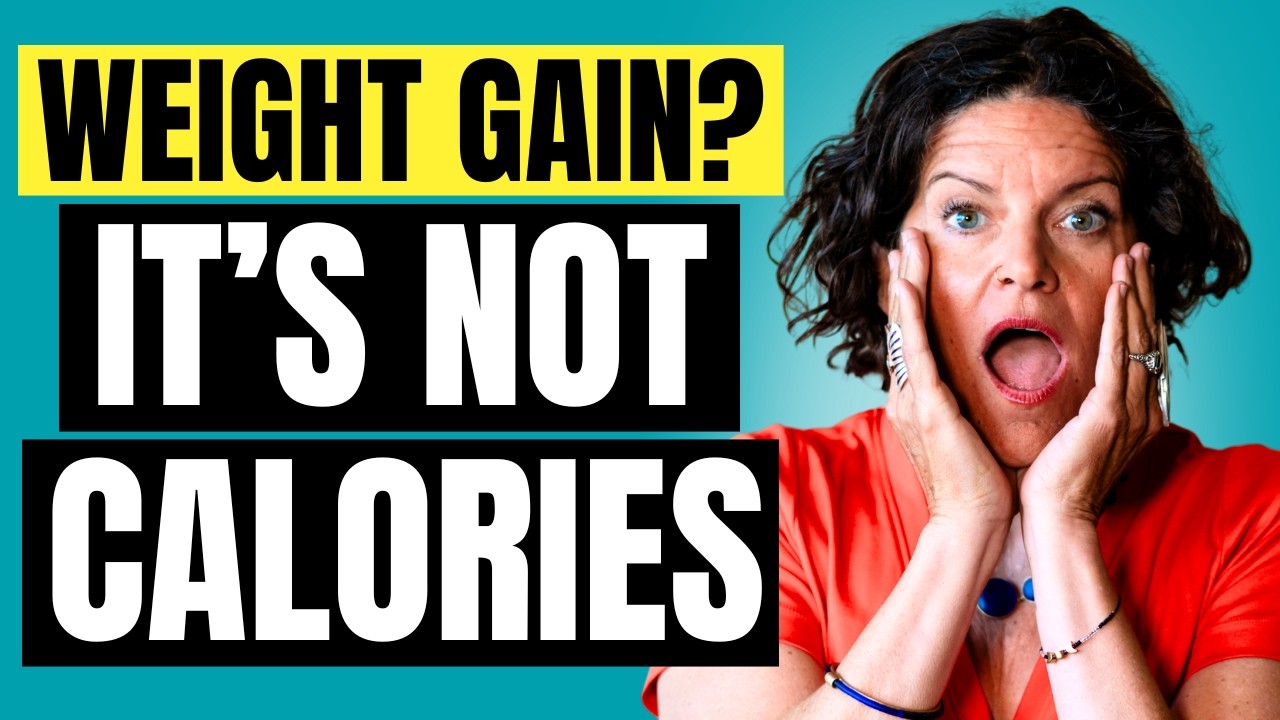
As people reach the age of 40, many find themselves struggling with weight management in ways that were previously unfamiliar. This shift cannot be solely attributed to an increase in calorie consumption, as is often presumed. Instead, a combination of hormonal changes, metabolic slowing, insulin sensitivity variations, lifestyle factors, and nutritional choices play pivotal roles in weight gain during this stage of life.
Hormonal Changes and Their Impact on Weight
One of the primary catalysts for weight gain after 40 is the shift in hormonal balance that individuals experience. In women, the onset of perimenopause marks a significant reduction in estrogen production, which can lead to fat redistribution—often concentrating around the abdomen rather than the hips and thighs. This change does not just affect body shape; it also has downstream consequences on metabolic activity and fat-storage behavior. In men, testosterone levels tend to decline with age, also contributing to increased visceral fat.
This hormonal shift can lead to greater challenges in maintaining muscle mass. Muscle is metabolically active tissue that burns more calories at rest compared to fat tissue. With the gradual loss of muscle mass, individuals may become less efficient in managing their metabolic rate, making weight gain more likely even if their caloric intake remains stable.
Additionally, cortisol, the stress hormone, can see an increase due to the pressures of midlife responsibilities. Elevated cortisol levels can drive hunger and cravings, especially for high-calorie, high-sugar foods. The cycle of stress eating can exacerbate the weight gain often seen during this period of life.
The Role of Metabolism After 40
As individuals age, their basal metabolic rate (BMR)—the rate at which the body uses energy while at rest—typically decreases. This reduction is influenced not only by hormonal changes but also by differences in body composition. As people age, they often experience muscle loss and an increase in fat mass, which collectively contribute to a lower metabolic rate.
A slower metabolism means that the body burns fewer calories throughout the day, making calorie expenditure a challenging endeavor. While engaging in regular physical activity is crucial, its impact may be less significant than it once was for someone in their 40s and beyond due to decreased metabolic rates. Therefore, understanding the complex interplay between age, metabolism, and energy balance becomes essential for effective weight management.
Moreover, metabolic health can be adversely affected by long periods of inactivity. Sedentary lifestyles, which can become more common due to work or lifestyle changes, contribute to decreased energy expenditure and can compound weight gain. Awareness of one’s daily activity levels is invaluable in creating a sustainable plan for weight maintenance.
Insulin Sensitivity and Its Effects
Insulin sensitivity is another crucial factor affecting weight management after the age of 40. Insulin is a hormone that plays a significant role in how the body uses carbohydrates for fuel. As one ages, the body’s sensitivity to insulin tends to decrease. This can result in higher insulin levels in the bloodstream, a condition referred to as hyperinsulinemia. Elevated insulin levels promote fat storage, particularly increased visceral fat.
Insulin resistance is frequently linked with increased risk for metabolic diseases, including type 2 diabetes and cardiovascular diseases. The correlation between weight gain and insulin resistance highlights the importance of managing glucose levels and ensuring that the body remains responsive to insulin. Luckily, there are various lifestyle changes that can improve insulin sensitivity, such as regular physical activity, sleep optimization, and dietary choices.
The consumption of highly processed foods, which are often high in sugars and unhealthy fats, can further exacerbate insulin resistance. Choosing whole, nutrient-dense foods that are low on the glycemic index can help maintain stable blood sugar levels and support better insulin sensitivity. Strategies include incorporating more fiber-rich vegetables, whole grains, lean proteins, and healthy fats into daily meals.
Lifestyle Factors That Contribute to Weight Gain
Beyond hormonal changes and metabolic decline, several lifestyle factors contribute significantly to weight gain after 40. Stress management, sleep quality, and activity levels play pivotal roles that are often overlooked.
Chronic stress, as previously mentioned, can lead to increased comfort eating and changes in eating behavior. Strategies for stress reduction, such as mindfulness practices, regular physical activity, and adequate rest, can foster a healthier relationship with food and maintain one’s weight more effectively.
Sleepless nights can also throw a wrench in weight management efforts. Sleep deprivation affects the hormones leptin and ghrelin, which regulate hunger and appetite. When sleep is compromised, ghrelin levels can rise, increasing hunger, while leptin levels can drop, reducing the sensation of fullness. Aiming for consistent sleep—7 to 9 hours each night—can significantly improve calorie management and overall well-being.
Engagement in physical activity is not just essential for burning calories; it is crucial for maintaining muscle mass and supporting metabolic health. Unfortunately, many individuals may find their activity levels diminishing due to lifestyle changes, such as increased work responsibilities or a shift to a more sedentary job. Incorporating both aerobic and strength training exercises into one’s routine can combat the negative effects of aging on metabolism.
The Importance of Nutrition and Diet Choices
Dietary choices during this life stage can profoundly influence weight management. The assumption that weight gain is simply a matter of burning fewer calories than consumed fails to grasp the nuance of how specific foods impact hormones and metabolic processes. The ingestion of processed foods, sweets, and trans fats can lead to increased fat storage, heightened insulin resistance, and cravings.
Conversely, opting for whole foods—such as fruits, vegetables, lean proteins, whole grains, and healthy fats—can promote better metabolic health. Such foods are typically rich in essential nutrients, fiber, and antioxidants, fostering satiety and nourishing the body. Attention to portion sizes can also be beneficial when aiming for weight stability.
Balanced meals enjoyed at regular intervals can help regulate blood sugar, which in turn can minimize the likelihood of overeating. Engaging in mindful eating practices, such as savoring each bite and eliminating distractions during meals, can foster a more connected relationship with food, helping to prevent mindless eating.
Ultimately, a comprehensive approach to weight management after 40 must consider these multifaceted factors. It requires understanding that weight gain is not solely about calories but involves a nuanced interplay of hormones, metabolism, insulin sensitivity, lifestyle, and dietary choices. By taking proactive steps in these areas, individuals can mitigate the challenges associated with weight gain in their 40s and cultivate a healthier relationship with both their bodies and food.
*****
Source Description
Download my FREE Fasting 101 Guide: https://bit.ly/3ZM6DcT
OPEN ME 👇 FOR RESOURCES MENTIONED
RESOURCES MENTIONED:
Books: https://bit.ly/drmindybooks
Join the Reset Academy: https://bit.ly/3Iv1scy
Fast Like a Girl Certified Coaches: https://bit.ly/findaflagcoach
Qualia Magnesium+ (Use Code PELZ for 15% off): https://bit.ly/4wljClJ
Substack: https://bit.ly/ytsubstack
Wise Goat Organics (Use Code PELZ for 20% off): https://bit.ly/wisegoat
Levels Health: https://bit.ly/4n38qpB
RESEARCH MENTIONED:
https://pmc.ncbi.nlm.nih.gov/articles/PMC6082688/
https://pmc.ncbi.nlm.nih.gov/articles/PMC2749064/
https://pmc.ncbi.nlm.nih.gov/articles/PMC7398578/
https://pmc.ncbi.nlm.nih.gov/articles/PMC10036272/
https://www.sciencedirect.com/science/article/pii/S1550413118302535
https://pmc.ncbi.nlm.nih.gov/articles/PMC9873947/
https://www.frontiersin.org/journals/psychology/articles/10.3389/fpsyg.2019.00722/full?page=48
https://pmc.ncbi.nlm.nih.gov/articles/PMC9020749/
https://www.cell.com/cell/fulltext/S0092-8674(22)00919-9?_returnURL=https%3A%2F%2Flinkinghub.elsevier.com%2Fretrieve%2Fpii%2FS0092867422009199%3Fshowall%3Dtrue
https://www.sciencedirect.com/science/article/pii/S0378512223004000?__cf_chl_tk=EXZi5AoIUiJgmVc4fo5LldFR_cK11Q_XhmlkLEwyxMY-1777909374-1.0.1.1-opZB1bHtUbDF9HpAVxT8NMtwJR3TZDj7cEltn5Wv3wk
https://www.researchgate.net/publication/47336734_Insufficient_Sleep_Undermines_Dietary_Efforts_to_Reduce_Adiposity
STAY CONNECTED WITH ME:
Facebook: https://www.facebook.com/drmindypelz/
Facebook Group: https://www.facebook.com/groups/resetters/
Instagram: https://www.instagram.com/dr.mindypelz/
Substack: https://substack.com/@drmindypelz
Tiktok: https://www.tiktok.com/@drmindypelz
THE RESETTER PODCAST:
Apple Podcast: Listen on Apple Podcasts
Spotify: Listen on Spotify
CREDITS:
Photos: Wendy Yalom Photography
Video Editor: Isaac Gonzalez
Affiliate Disclaimer: https://www.drmindypelz.com/disclaimers
*****
Please note the following medical disclaimer: By viewing this video you understand that this video is for educational purposes only. It is not intended to substitute for professional medical advice and should not be relied on as health or personal advice. Always seek the guidance of your doctor with any questions you may have regarding your health or medical condition. You also understand and agree that the terms of our Privacy Policy and Terms of Service apply to your interaction with us.