Summary of Stress May Directly Worsen Eczema:
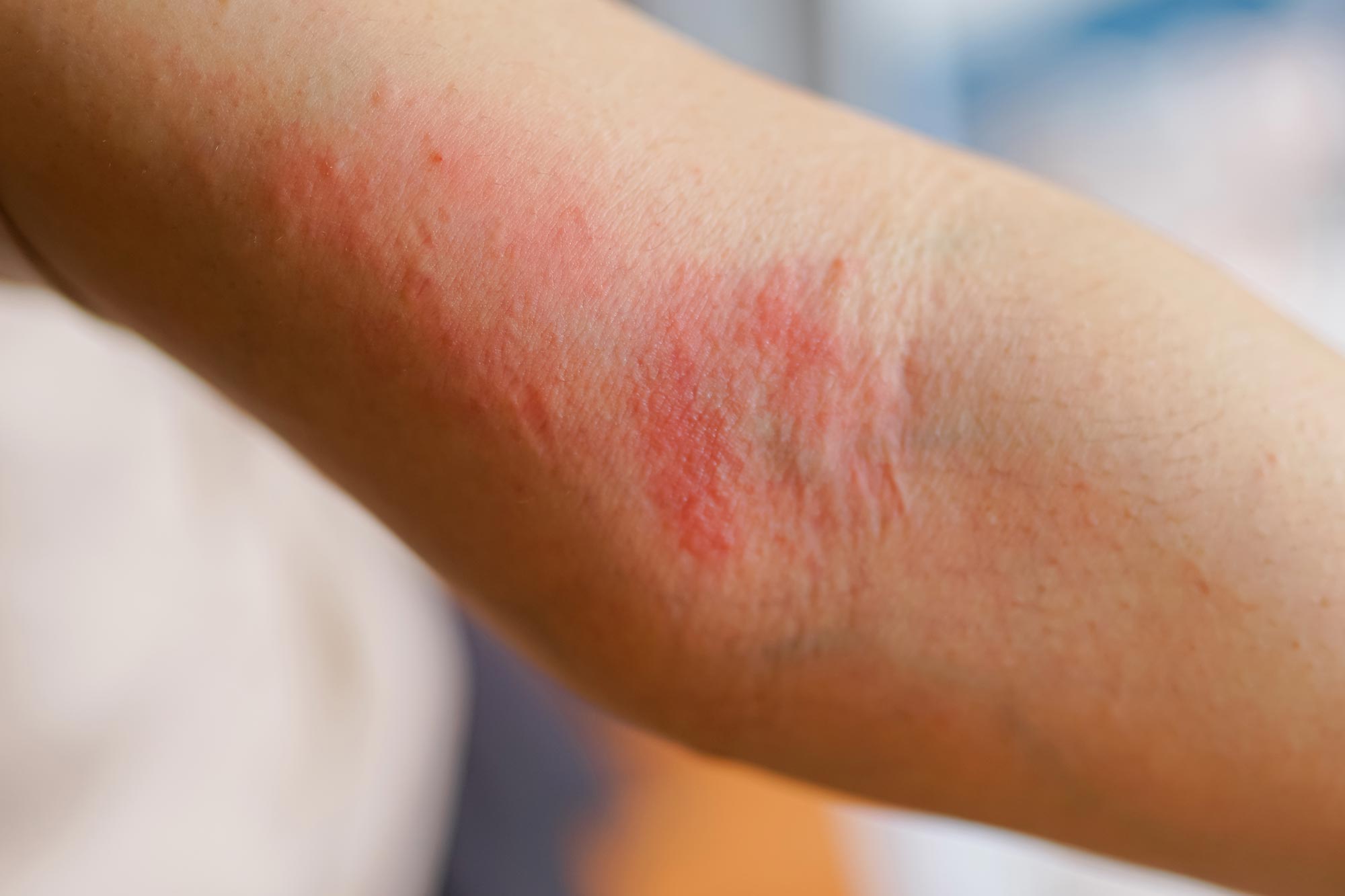
Recent research has identified a biological connection between psychological stress and skin inflammation, particularly in conditions like eczema. This study reveals that stress can exacerbate eczema by activating specific nerve cells that communicate with immune cells in the skin, increasing inflammation. A direct link was found where stress-related nerve signals recruit eosinophils, immune cells that contribute to skin damage.
By analyzing data from eczema patients and experimental models, researchers concluded that the sympathetic nervous system, rather than traditional stress pathways, plays a central role in this response. Disrupting this path could offer new treatment avenues for managing eczema flare-ups, alongside conventional therapies. This study emphasizes the need to explore similar mechanisms in other stress-sensitive inflammatory diseases.
*****
Key Points
- Psychological Stress and Eczema: New research identifies a direct neuroimmune connection, explaining why stress worsens eczema.
- The Role of Eosinophils: Eosinophils, key immune cells, become activated and contribute to inflammation in response to stress.
- Neural Pathways: Stress signals transmitted through specific neurons amplify inflammation in the skin, affecting individuals with eczema.
- Therapeutic Potential: Disrupting this stress-linked pathway may offer new treatment avenues alongside standard eczema therapies.
- Broader Implications: The discoveries could extend to other stress-sensitive inflammatory conditions, expanding our understanding of stress’s role in physical health.
Understanding Stress and Eczema: A Deep Dive into the Neuroimmune Connection
Eczema, or atopic dermatitis, can feel like an unwelcome guest in one’s life—itchy, uncomfortable, and utterly relentless. If you’ve ever struggled with it, you know that managing it requires not just physical care but also mental resilience. Recent scientific explorations have unveiled a connection between psychological stress and eczema, suggesting that stress might not just be a mere trigger, but an integral part of the disease process. Let’s unravel this complex tapestry of mind and body.
The Mental Toll of Eczema
Living with eczema is no walk in the park. It’s not merely a skin condition; it can be all-consuming. Flare-ups can lead to constant itching and discomfort, wreaking havoc on sleep, self-esteem, and daily routines. The frustration of managing an unpredictable condition often adds layers of psychological stress to an already challenging situation. Each scratch can trigger a cycle of inflammation that feels impossible to break. Stress, then, becomes an insidious companion—one that amplifies the very problem we wish to minimize.
This psychological stress is more than just a feeling. It has tangible effects on the body, especially the immune system. This is where the fascinating interplay between stress and skin health enters the scene.
The Neuroimmune Pathway: A New Discovery
Until recently, the exact biological pathways connecting stress and eczema were murky at best. However, fresh research has cast a spotlight on a specific brain-to-skin signaling route that intensifies inflammation through nerve activity directed at immune cells. This avenue of exploration unearths a host of potential solutions and insights that can change how we approach eczema management and treatment.
Researchers led by Jiahe Tian discovered that higher levels of psychological stress were directly linked to increased eosinophil accumulation in the skin of patients with atopic dermatitis. Eosinophils are a type of white blood cell involved in allergic reactions and inflammation, known for releasing toxic molecules that damage skin tissues. The connection is startling: stress catalyzes these immune cells, exacerbating inflammation just when we need relief the most.
Unpacking the Role of Eosinophils
Understanding the role of eosinophils in eczema is crucial for unraveling this connection. These immune soldiers are crucial for our defense against pathogens, particularly allergens. However, in the context of eczema, their overactivation can lead to a perfect storm of skin inflammation. Under stress, our body signals these immune cells to flood the skin, making a bad situation worse.
But why does stress trigger such a response? This is where the brain’s signaling pathways come into play. The discovery of a specific subset of neurons—prodynorphin-positive (Pdyn+) noradrenergic sympathetic neurons—sheds light on the biological mechanics at work. These neurons transmit stress signals from the brain to the skin, guiding eosinophils into action. Imagine a battalion ordered onto the battlefield without the proper strategy—chaos ensues.
The Stress Response: A Deeper Look
To comprehend the gravity of these discoveries, let’s delve into how stress signals move from our mind to our skin. The researchers found a pathway that operates through the CCL11-CCR3 signaling system, essentially giving eosinophils the "green light" to migrate and activate in the skin. The involvement of beta-adrenergic receptors places this in the realm of classic stress-response pathways, indicating that our external conditions can indeed become internal triggers.
We often think of stress in terms of emotional well-being, but its physiological ramifications can be severe. The study identifies peripheral sympathetic nerves as key players, suggesting that stress-related inflammation might not be exclusively governed by the hypothalamus-pituitary-adrenal axis—the traditional stress response pathway.
The Implications for Eczema Management
The findings carry profound implications for managing eczema. Traditional therapies often focus on topical treatments and antihistamines, targeting the skin after inflammation has already set in. However, addressing the neuroimmune connection opens up new therapeutic avenues: if we can disrupt the stress-induced pathways, we might be able to quench the inflammation at its source.
Imagine a dual approach—treatment methods that include both pharmacological interventions and holistic stress management techniques. Practices such as mindfulness, yoga, or even cognitive behavioral strategies could bolster resilience against stress, contributing positively to skin health.
Incorporating lifestyle changes, such as engaging in regular exercise or maintaining a balanced diet, could further enhance this process. Each positive step contributes to a holistic approach in managing eczema, emphasizing the interconnectedness of mind and body.
Stress Management Techniques and Mindfulness
With this newfound understanding, individuals now have an opportunity to take proactive steps. Stress management doesn’t have to feel daunting. Simple practices like deep-breathing exercises or guided meditations can provide swift refuge in moments of distress, while cultivating long-term resilience.
Consider starting each day with a few minutes of introspection. Ask yourself, how do I feel today? Acknowledge those feelings without judgment. Sometimes stress manifests in ways we do not immediately recognize. Making time for hobbies or activities that bring joy can successfully shift focus away from skin concerns, creating moments of respite and engagement.
Building a strong community can also provide invaluable support. Whether through online forums or local support groups, connecting with others can foster a sense of belonging and shared understanding. Such social interactions can work wonders in alleviating stress, enriching one’s emotional landscape.
Broadening the Horizon: Future Research
The implications of this study extend beyond eczema. The neuroimmune connections unveiled could be instrumental in diversifying our understanding of other stress-related conditions, such as psoriasis or inflammatory bowel disease. It leaves us with an exciting prompt—how might our understanding of stress and its impact on various inflammatory diseases evolve in the years to come?
The increased focus on the intersections of psychology and physical health might lead to integrative treatment models that recognize and value both domains. We stand on the precipice of a new paradigm in medicine, one where the brain and body communicate in intricate ways we are only beginning to decipher.
Concluding Thoughts
The journey of confronting eczema is wrought with challenges, yet the latest research offers a flicker of hope. The emerging understanding of the brain-skin connection presents exciting possibilities.
By harnessing knowledge about the neuroimmune pathways and advocating for comprehensive stress management strategies, we can empower ourselves. Each person’s fight with eczema is unique, like a tapestry woven with various threads of experience. By acknowledging the role of stress and adopting a multifaceted approach, we can transform how we live with this condition.
The Road Ahead
Awareness is key. Now that we know more, we can take actionable steps towards managing eczema more effectively. Understanding the relationship between stress and skin health illuminates a path forward—a mixture of traditional treatment and progressive strategies tailored to individual needs.
Every drop of knowledge pours into the reservoir of our resilience. Together, let’s explore these uncharted waters, lean into the complexity of our experiences, and reclaim our skin’s health—one breath, one moment, and one connection at a time.