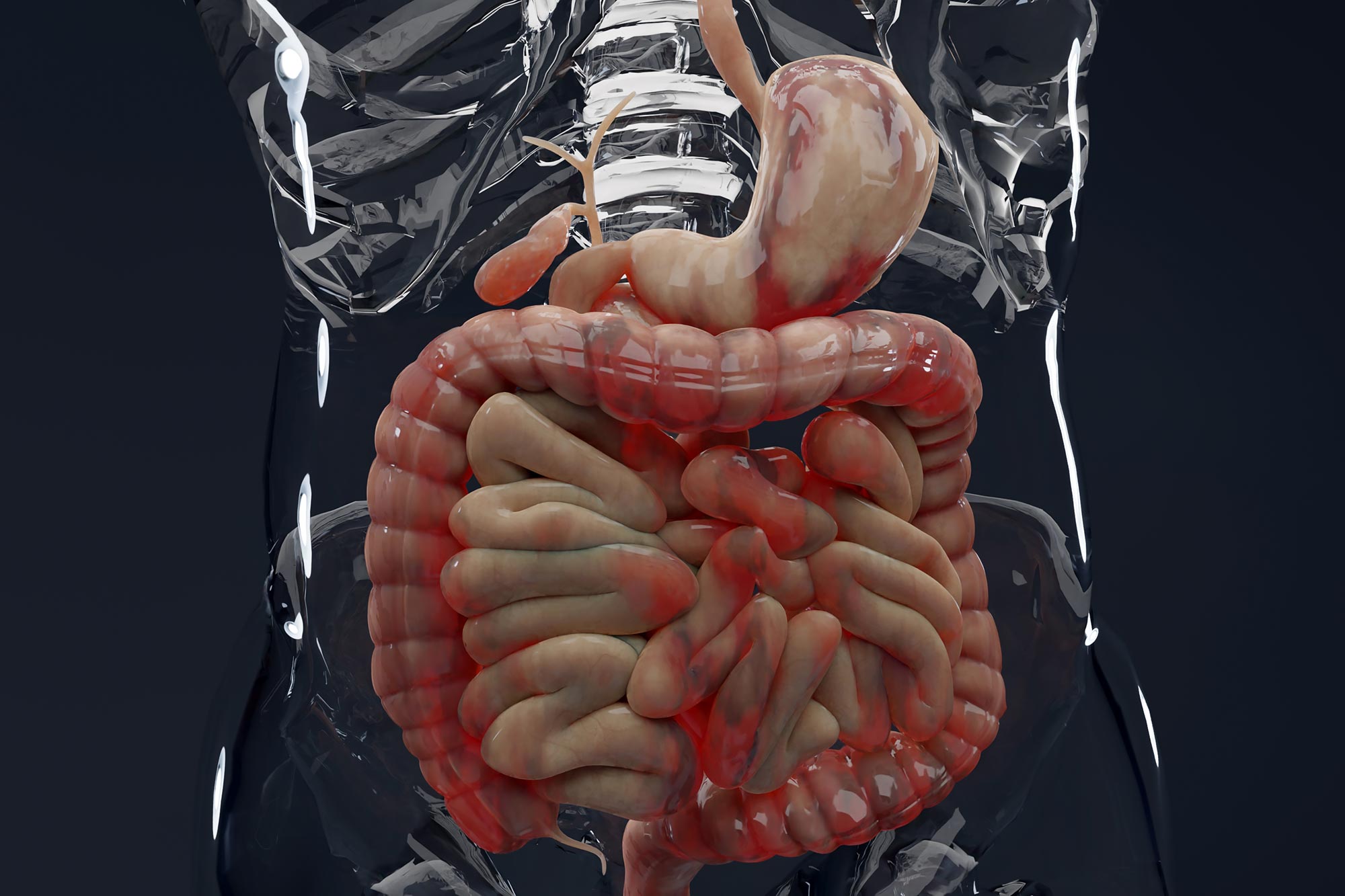
Summary of Stanford Study Finds Diet That Eases Crohn’s Symptoms:
A clinical trial conducted by Stanford Medicine has found that a brief, calorie-restricted fasting-mimicking diet can significantly improve symptoms and reduce inflammation in individuals with mild-to-moderate Crohn’s disease. The study involved 97 participants, with those on the fasting plan consuming 700 to 1,100 calories a day for five consecutive days each month, experiencing positive changes in both clinical symptoms and biological indicators of inflammation. Approximately two-thirds of the fasting group reported improvements compared to less than half in the control group. This research aims to provide more evidence-based dietary guidance for patients, addressing a common question regarding diet in inflammatory bowel diseases.
*****
Summary Bullet Points:
- A Stanford study demonstrates that a short-term, calorie-restrictive fasting-mimicking diet significantly alleviates symptoms of mild-to-moderate Crohn’s disease.
- The study involved 97 participants, with two-thirds of those on the fasting mimicking diet experiencing symptom improvement.
- Key biological indicators, such as markers of inflammation, showed substantial positive changes among participants who adhered to the fasting diet.
- This research opens the door for evidence-based dietary recommendations for patients suffering from inflammatory bowel disease (IBD).
- The fasting mimicking diet’s impacts are still being investigated, particularly regarding changes in gut microbiome and individual responses.
The Stanford Study: A Novel Approach to Easing Crohn’s Disease Symptoms
When it comes to navigating the complexities of chronic illnesses like Crohn’s disease, the quest for effective dietary solutions is often fraught with challenges. The recent findings from a Stanford Medicine study offer a flicker of hope in a realm that has previously seemed murky. Imagine this: a diet not only aimed at managing symptoms but also backed by significant scientific evidence.
In this blog, we’ll delve into the Stanford study that revealed the potential of a fasting mimicking diet. Let’s explore what this means for patients, caregivers, and health professionals alike.
The Challenge of Dietary Guidance in IBD
For those living with inflammatory bowel disease (IBD), which includes Crohn’s disease and ulcerative colitis, the question, “What should I eat?” can often feel towering and insurmountable. Until now, healthcare providers have had limited clarity on how to provide dietary recommendations. A scant number of robust studies existed, which failed to offer concrete answers.
But the groundbreaking study from Stanford, recently published in Nature Medicine, is changing this narrative. Conducted through a national clinical trial, it carefully examined how a short-term, calorie-restrictive diet could influence both the symptoms and biological markers of Crohn’s disease.
Understanding Crohn’s Disease
To appreciate the significance of this study, it’s essential to grasp what Crohn’s disease entails. Affecting nearly a million Americans, Crohn’s is a chronic inflammatory condition of the digestive tract. Symptoms range from diarrhea and abdominal pain to cramping and unintended weight loss. The traditional treatment landscape has been limited; for mild cases, steroids are often the only approved option, significantly restricted due to their adverse side effects.
In a world where options feel scant, this new dietary approach is like a breath of fresh air.
The Study Breakdown
The clinical trial included 97 participants suffering from mild-to-moderate Crohn’s disease. These individuals were split into two groups: one following the fasting mimicking diet and the other continuing their usual eating habits. Over three months, the fasting group underwent periods of calorie restriction for five consecutive days each month, consuming a mere 700 to 1,100 calories from plant-based foods.
After just one cycle of this fasting mimicking diet, what happened? Amazingly, approximately two-thirds of participants experienced an improvement in their symptoms. Compare that to the control group, where less than half reported changes in their condition. The study’s lead, Dr. Sidhartha R. Sinha, expressed surprise and delight at these findings, indicating many patients benefited significantly from the dietary intervention.
Not Just Symptoms: Biological Changes Too
While improvement in symptoms is remarkable in itself, the study dug deeper into the biological implications of the diet. Collecting biospecimens and examining them closely shed light on intriguing changes in the bodies of participants who adhered to the fasting mimicking diet.
Among the most notable changes were declines in fecal calprotectin—a stool protein closely linked to gut inflammation—indicating that the fasting mimicking diet offered physiological benefits alongside symptomatic relief. Furthermore, inflammation-promoting lipid mediators derived from fatty acids also diminished, presenting doctors with tangible markers to consider.
This analysis opens a new frontier in understanding how dietary plans can be tailored to manage chronic conditions effectively.
Personal Stories: The Transformative Power of Diet
Consider the lived experiences of those who took part in this study. Each participant approached it with their unique narratives—battling fatigue, discomfort, and uncertainty. Now, they stand as examples of resilience and the potential for transformation. Their stories not only inspire hope but also underscore the importance of individualized dietary approaches to health.
People aren’t just statistics; they’re multifaceted individuals seeking effective ways to enhance their well-being. The opportunity for this kind of researched-backed diet to deliver relief could make all the difference in countless lives.
Future Directions: What Lies Ahead?
While the findings are promising, researchers emphasize that more investigations are warranted. The team, led by Dr. Sinha, is intent on uncovering the underlying mechanisms that bestow such benefits. They’re keen to explore how changes in the gut microbiome might contribute to the observed dietary effects. In biology, relatively small changes can yield profound implications; thus, understanding these connections could revolutionize treatment modalities for Crohn’s disease.
The aim is clear: to unravel the mysteries surrounding dietary interventions for Crohn’s and provide more reliable, evidence-based guidance for healthcare practitioners.
A Closing Thought
Navigating chronic illness can feel like walking a tightrope. Each choice made can ripple out, affecting symptoms, quality of life, and overall health. As we stand on the cusp of new findings, the promise of dietary changes becomes a beacon of hope. For those affected by Crohn’s disease, the Stanford study offers more than just data; it lays the foundation for meaningful change.
Imagine a world where every patient can confidently approach the question, “What should I eat?” with much more informed choices and tangible options.
The Stanford findings are not merely a triumph for research but a victory for all who yearn for a better quality of life. As science continues to unveil the intricacies of human health, we can feel assured that change is on the horizon. It’s an exciting time to consider how each of us can take charge of our narratives—eating well, feeling better, and living with purpose alongside chronic conditions.
In the ever-evolving landscape of healthcare, knowledge truly is power. This study marks a stepping stone toward a future where evidence-based dietary recommendations become commonplace and where individuals no longer feel isolated in their battles but instead empowered by informed choices and supported by their healthcare providers.