Summary of Scientists Discover Surprising New Benefit of Matcha:
A recent study suggests that matcha, the finely ground green tea powder popular in Japanese cuisine, may reduce sneezing associated with nasal allergies. Conducted on mice, the research indicates that matcha can dampen the sneezing reflex without altering key immune responses, such as levels of immunoglobulin E or activity in mast and T cell functions. Instead, matcha seems to suppress neuronal activation linked to sneezing in the brain, particularly in a region responsive to allergens. Researchers aim to investigate whether these effects translate to humans, providing a potential food-based complement to existing allergy treatments.
*****
Summary Bullet Points
- New research indicates that matcha, a finely ground Japanese green tea powder, may reduce symptoms of allergic rhinitis (hay fever) without altering conventional immune responses.
- The study found that matcha treatment in mice decreased sneezing by suppressing neural activation linked to the sneezing reflex.
- Matcha is rich in beneficial compounds like antioxidants and amino acids, contributing to various health benefits, including improved cognitive and heart function.
- This groundbreaking study opens doors for food-based options to complement standard treatments for allergy sufferers.
The Unexpected Benefits of Matcha: A Journey into Science and Wellness
In recent years, matcha has swept through wellness circles like a green whirlwind—adorning everything from lattes to baked goods. But its allure extends beyond mere trends; new research unveils a surprising twist: matcha might play a role in mitigating allergic symptoms, specifically those pesky sneezing fits tied to hay fever. This development offers a refreshing perspective on dietary influence on our health, marrying ancient wisdom with modern science.
What’s in the Green Powder?
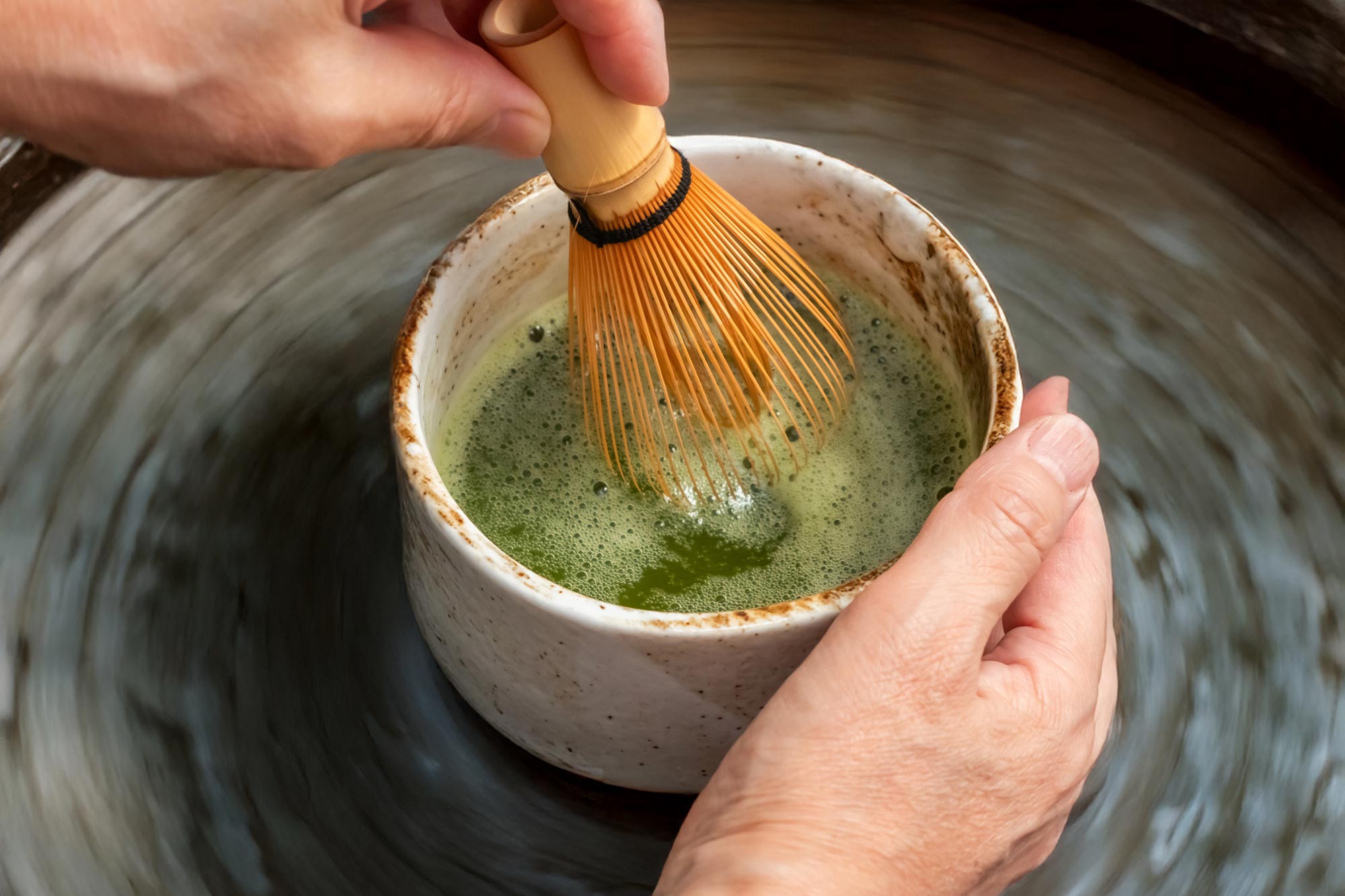
Let’s take a moment to appreciate the beauty of matcha. Derived from specific green tea leaves, matcha is ground into a fine powder that retains the leaf’s vibrant color and beneficial properties. This preparation method sets matcha apart from traditional green tea, where leaves are steeped and discarded. The result? A powerhouse of nutrients packed into every serving.
Rich in antioxidants, particularly catechins, matcha is renowned for combating oxidative stress. Alongside these antioxidants, matcha boasts a unique amino acid profile, including L-theanine, which is linked to promoting relaxation without drowsiness. These components have sparked research showing potential benefits ranging from enhanced heart health to improved brain function and reduced inflammation.
A Study That Sneezed New Life into Allergies
Research led by Professor Osamu Kaminuma at Hiroshima University sheds light on a unique benefit of matcha: it may help alleviate symptoms of allergic rhinitis. For many, seasonal allergies trigger bouts of sneezing, a reflex that can be irritating and disruptive. Kaminuma’s research aimed to explore whether matcha could suppress this reflex, leading to more comfortable days for those suffering from allergies.
In an innovative experimental design, Kaminuma and his team observed mice engineered to exhibit hay fever-like symptoms. Over the course of several weeks, these mice received matcha as part of their regular diet, with targeted doses before allergen exposure. What they discovered was both intriguing and unexpected: the mice treated with matcha exhibited far fewer sneezing episodes compared to their untreated counterparts.
The Mechanism Unveiled
But how exactly does matcha wield such power over this annoying reflex? The study revealed that while the treated mice experienced a notable reduction in sneezing, they didn’t show significant changes in key immune markers typically involved in allergic reactions. This is where the research skews against conventional wisdom.
Typically, allergies manifest through the activity of immunoglobulin E (IgE) and mast cells, which trigger inflammatory responses. However, Kaminuma observed that matcha’s anti-sneezing effect stemmed from its influence on the brain rather than altering immune responses. Specifically, matcha suppressed neuronal activation in the area of the brain responsible for the sneezing reflex.
To delve deeper, the researchers focused on c-Fos, a gene that indicates neuronal responses to stimuli. They found that allergen exposure led to an increase in c-Fos activity in the sneezing control center of the brain. In contrast, the mice that consumed matcha showcased this gene’s activity reduced to almost normal levels.
Implications of the Findings
These findings are groundbreaking—perhaps more than initially apparent. For many, seasonal and perennial allergies are not just an inconvenience; they can severely impact quality of life. The prospect of using a naturally derived food product like matcha to help alleviate these symptoms opens avenues for novel, accessible solutions.
Incorporating matcha into one’s daily routine could become a beneficial tool for those struggling with allergies. Imagine sipping on a refreshing matcha latte while knowing you’re potentially quelling your body’s allergic reactions!
Holistic Health Benefits of Matcha
While the focus of this research has been on allergy relief, the multi-faceted health benefits of matcha deserve recognition. Regular consumption of matcha has been associated with:
- Enhanced mental clarity and focus, thanks to the combination of caffeine and L-theanine, which work in symbiosis to provide sustained energy without the jitters commonly associated with coffee.
- Stronger heart health, as the antioxidants found in matcha may lower levels of LDL cholesterol and improve arterial function.
- Weight management support, with matcha believed to boost metabolism and aid in fat oxidation during workouts.
This green elixir not only tantalizes the taste buds but also nurtures various facets of your well-being.
Making Matcha a Part of Your Lifestyle
Incorporating matcha into your lifestyle doesn’t require drastic changes. Here are some tips for getting started:
-
Start Simple: Begin with a classic matcha latte. Just whisk matcha powder into hot milk or a milk alternative. Sweeten to taste with honey or agave syrup.
-
Add to Smoothies: A teaspoon of matcha in your morning smoothie not only enhances the flavor but also boosts its nutritional value.
-
Bake with Matcha: Creative bakers can experiment with matcha in cookies, pancakes, or even quick breads. The vibrant green will make any dish pop while providing health benefits.
-
Matcha in Savory Dishes: Don’t hesitate to add matcha powder to salad dressings or soups for an unexpected twist.
- Mindful Consumption: Pair your matcha experience with mindfulness. Take a moment to appreciate the color, aroma, and taste while considering its health benefits, including any potential relief from allergies.
Future Directions
Professor Kaminuma emphasizes that the next step in this research will be assessing whether similar effects on sneezing occur in humans. Imagine having a scientifically-backed dietary option to complement pharmaceutical treatments for allergies—where tradition intersects with innovation!
As science increasingly supports the idea that what we consume can have profound effects on our physiological responses, it becomes inspirational to consider our diet as a tool for wellness. Each decision—from what to buy at the grocery store to what we cook at home—can serve as a stepping stone toward a healthier, happier lifestyle.
Conclusion
The world is a tapestry of fascinating connections, and the study of matcha’s effects on allergies is a testament to that. This resurgence of interest in matcha reflects a broader cultural shift towards recognizing the importance of diet in treating various ailments. Its role as a potential ally against allergies adds a new chapter to the fascinating story of this ancient beverage.
Next time you sip your matcha, consider not just its flavor, but its potential as a bridge between nourishing our bodies and enhancing our lives. As we navigate the challenges of our health, the solutions may just be as simple—and delightful—as a cup of matcha. In essence, health is not merely the absence of disease. It’s a holistic experience that nourishes not just the body but the mind and spirit.
So, raise your cup, and toast to matcha—a green treat that might just be the key to clearer days ahead!