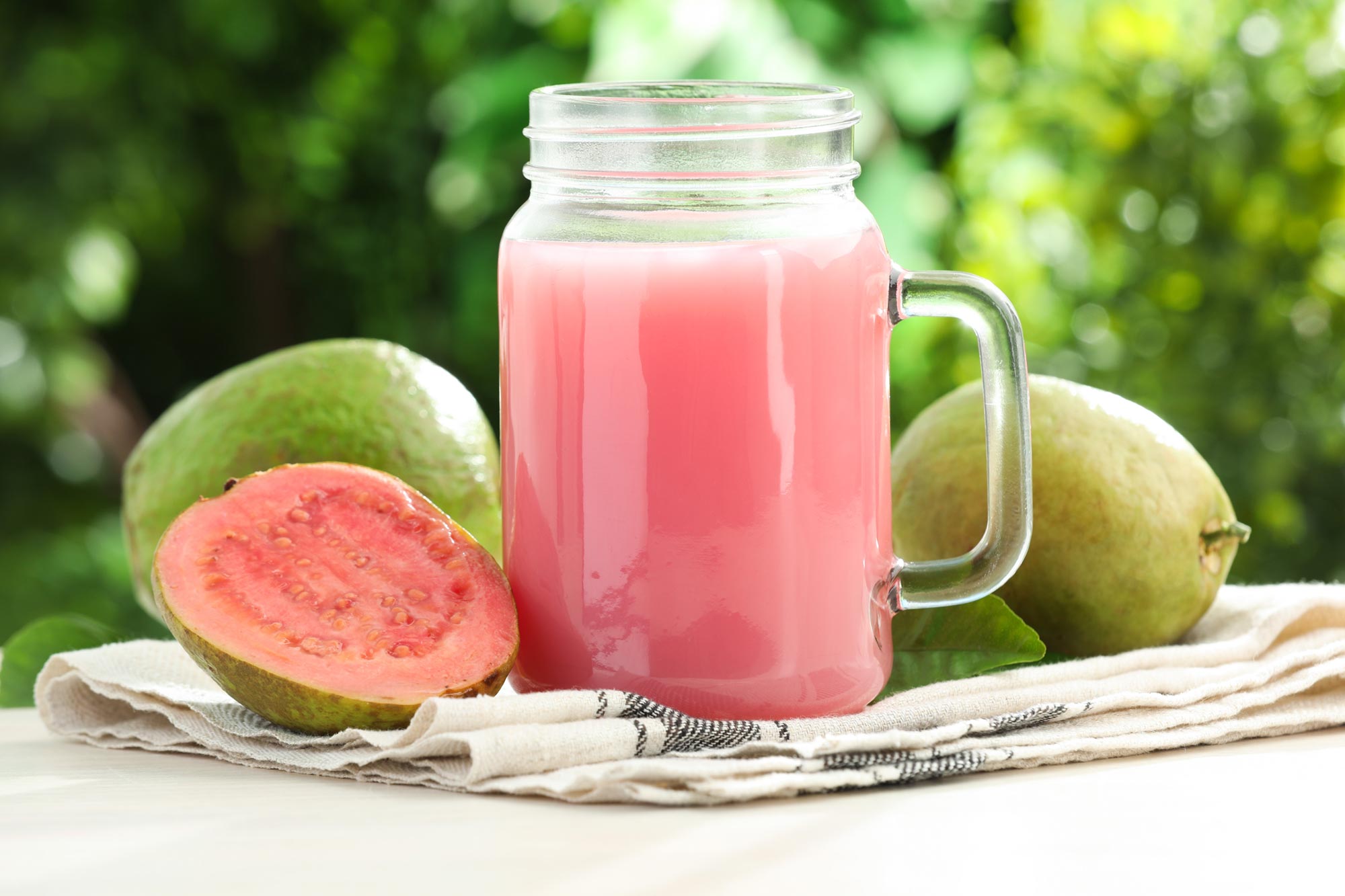
Summary of Scientists Discover Surprising Anemia Benefits of Guava Juice:
A recent study highlighted in BMJ Nutrition Prevention & Health suggests that guava juice may help reduce anemia risk, particularly in women from low and middle-income countries. The research indicates that combining guava juice with iron supplements is more effective at raising hemoglobin levels than iron supplements alone. Guava is rich in vitamin C, which enhances iron absorption, making it a potentially practical and cost-effective addition to dietary programs aimed at preventing anemia.
Despite encouraging results showing significant increases in hemoglobin levels after guava juice consumption, the study acknowledges various limitations, such as small sample sizes and inconsistent study designs. Experts caution that more rigorous research is needed before guava juice can be recommended as a substitute for conventional treatments for iron deficiency anemia.
Overall, integrating guava juice into school nutrition and community health initiatives may contribute positively to tackling mild-to-moderate anemia, aligning with global nutrition goals.
*****
Summary Bullet Points
- Guava juice may significantly aid in reducing anemia, particularly in low and middle-income countries.
- Combining guava juice with iron supplements has proven to be more effective than iron alone for increasing hemoglobin levels.
- A systematic review of existing studies indicates substantial improvements in hemoglobin levels among women and teenage girls consuming guava juice.
- The affordability and availability of guava in many regions make it a promising dietary intervention.
- Despite positive findings, caution is advised due to limitations in current research methodologies.
Unveiling the Benefits of Guava Juice in Combatting Anemia
Anemia is more than just a reduction in red blood cells; it’s a complex health issue that can alter energy levels, diminish cognitive functioning, and impact overall well-being. Among the diverse strategies to combat this nutritional challenge, a recent study shines a spotlight on guava juice, a delightful beverage that may simultaneously enchant your taste buds while boosting your health.
What if the solution to anemia was in something as simple and widely loved as guava juice? The findings from a systematic review of scientific studies provide intriguing insights about how this tropical fruit can play a role in tackling one of the most common global nutritional deficiencies, particularly in regions where it’s most needed.
The Anemia Epidemic
Iron deficiency anemia is a pressing health issue, especially among women in low and middle-income countries. Teenage girls and pregnant women are particularly vulnerable. This condition often leads to feelings of fatigue, decreased productivity, and even complications during pregnancy. The stakes are high, but the remedies may be inexpensive and closer to home than we imagine.
The synergy between vitamin C and iron absorption is not new. In fact, vitamin C-rich foods have long been touted for their ability to enhance iron absorption—an essential ally in the battle against anemia. Guava, celebrated for its luscious flavor, stands out as an exceptional source of vitamin C—boasting up to four times the vitamin C content of oranges!
The Research Findings
So, what does the research say? A thorough investigation sifted through studies dating back to 2000, culminating in a systematic review that included 17 relevant studies. The findings are compelling. Participants—predominantly women and teenage girls—exhibited an average increase in hemoglobin levels by 1.71 g/dl after consuming guava juice. What does this mean? Even a modest rise in hemoglobin has the potential to shift individuals from mild or moderate anemia into non-anemic categories, enhancing energy levels and cognitive function.
Isn’t that amazing? A simple fruit juice can have such a profound effect on health!
A Deeper Dive: The Numbers
Upon examining specific demographics, teenage girls experienced an elevation of hemoglobin levels by 1.52 g/dl on average. In tandem, pregnant women enjoyed an even higher increase, with their levels rising by 1.84 g/dl. The comparison of groups who consumed guava juice alongside iron supplements versus those who only took iron showed even more encouraging results. On average, hemoglobin levels were 1.29 g/dl greater in the guava juice cohorts.
It’s worth noting that even small improvements in hemoglobin count can lead to significant enhancements in daily life, from increased energy and productivity to better overall health.
Limitations of Current Findings
Despite the promising indications, it’s essential to tread carefully when interpreting these results. The majority of studies originated from a single locale, namely Indonesia. Variance in study methodologies—ranging from design to participant characteristics—raises questions about the universality of the findings. Nearly all studies used quasi-experimental methods rather than randomized controlled trials, which makes establishing direct cause-and-effect relationships challenging. Without the rigor of longer-term studies, we cannot definitively say how long these benefits would last.
The Path Forward
Nevertheless, the implications for public health are noteworthy. Integrating guava juice into nutrition programs could serve as a practical approach to manage mild-to-moderate anemia. With guava being easily accessible in many parts of Asia, its cultural acceptance and affordability make it a viable option for dietary incorporation.
It’s not just about the juice; it’s about community health initiatives, antenatal care programs, and educational efforts in schools that can set the stage for a healthier future. Imagine schools serving guava juice as part of their menus, or community health programs incorporating this fruit into their nutrition recommendations. The potential ripple effects are vast.
Caution and Expert Insights
Experts like Professor Sumantra Ray emphasize the importance of further research. Yes, the dietary synergy between vitamin C and iron is well-known, but the boundaries of this particular study should not be overlooked. It’s crucial that we approach the findings with a spirit of inquiry, urging for more robust investigations that can define the optimal dosages, timing, and longer-term effects of guava juice on anemia.
Are You Ready to Make Changes?
In light of these findings, it’s time to consider how small changes—like incorporating guava juice into your day—might have significant health benefits, not just locally but globally. While waiting for more rigorous studies, you have the power to explore vibrant flavors and natural health solutions. Take charge of your health and encourage others to do the same; share the knowledge about incorporating simple, nutritious foods into your families’ diets.
The Power of Simple Choices
Think about your own dietary habits. Are there nutrient-rich foods available to you? How can you incorporate them into daily meals? Perhaps you could explore local markets renowned for their fresh produce, enjoy cooking diverse dishes, or even plant a small garden to grow your own food. The benefits of consuming natural foods extend beyond personal health; they can lead to familial and community wellness, as well.
Imagine sipping a refreshing glass of guava juice, bursting with flavor and health benefits. Each gulp could represent a step toward boosting your energy, enhancing your well-being, and possibly making a difference in the life of someone else.
Conclusion: An Invitation to Embrace Health
In conclusion, while the research offers fascinating insights into the anemia-fighting potential of guava juice, we must approach the information with both enthusiasm and caution. The path toward better health is often paved with small but powerful steps. As you navigate your journey of dietary choices, let the humble guava serve as a delicious reminder of nature’s wisdom, and encourage those around you to embrace a more nutritious lifestyle.
So next time you find yourself in a grocery store or at a farmer’s market, think of guava juice not just as a tasty treat, but as a bridge—linking you to better health, awareness about anemia, and a trove of opportunities for nutritional empowerment. After all, in the realm of health, every small choice plays a critical role in the larger picture. Let’s raise our glasses to that!

