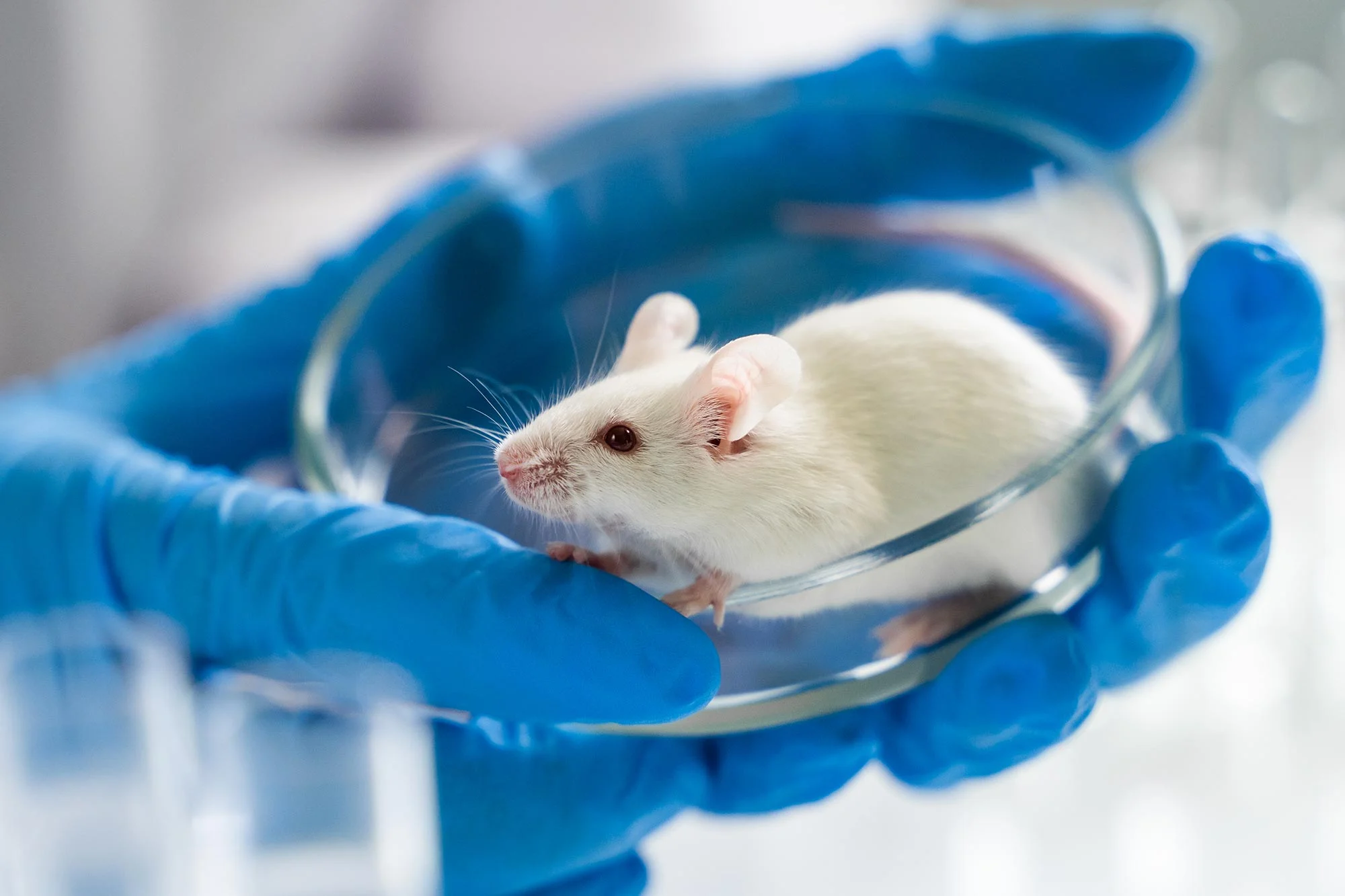
Summary of Scientists Extend Lifespan by over 70% in Elderly Male Mice with New Treatment:
A recent study published in Aging reveals that combining oxytocin with an Alk5 inhibitor (OT+A5i) significantly extends lifespan and healthspan in aged male mice. Conducted by researchers from the University of California, Berkeley, the study demonstrates that treated male mice lived over 70% longer than controls and showed enhanced physical strength and memory. However, the therapy did not yield similar benefits in female mice, highlighting biological differences in aging and responses to longevity treatments.
The study explored the effects of this two-drug strategy, where oxytocin, known for promoting tissue regeneration, was paired with the Alk5 inhibitor to counteract age-related inflammation and tissue degradation. Though both sexes benefited from short-term improvements, only males exhibited sustained gains after four months of treatment. Interestingly, middle-aged females experienced enhanced fertility but did not show significant improvements in lifespan.
Given that oxytocin is FDA-approved and Alk5 inhibitors are in clinical trials, the findings suggest potential applications for human aging therapies. Overall, the research emphasizes the need to consider sex-specific biology when developing treatments.
*****
Summary of Key Points
- A groundbreaking study indicates that a combination of oxytocin and an Alk5 inhibitor (OT+A5i) can extend the lifespan and healthspan of elderly male mice by over 70%.
- The treatment significantly enhances vitality while showcasing sex-specific differences in aging responses.
- Male mice exhibited notable improvements in physical performance and cognitive abilities.
- The findings suggest a potential pathway for developing anti-aging therapies for humans based on these biological responses.
- The approach not only rejuvenates aging mice but also highlights the importance of understanding male and female biology in treatment effectiveness.
Extending Lifespan: The Breakthrough Findings on Mice and What They Mean for Us
Longevity—a desire as old as humanity itself—has recently taken a groundbreaking turn thanks to the work of scientists who have effectively extended the lifespan of elderly male mice by over 70%. Imagine living not just longer but healthier, with the vitality of youth extending into advanced age. What does this monumental finding mean for aging in humans, and can we glean insights to enhance our own healthspan as we traverse the winding paths of life?
The Intriguing Study
Published in the journal Aging, a new study led by researchers from the University of California, Berkeley, has unveiled the potent combination of oxytocin and an Alk5 inhibitor, rumored to work wonders in rejuvenating aged male mice. The research captures the essence of not just living longer but living well. The experiment focused solely on frail male mice at the advanced age of 25 months—analogous to an impressive 75 years in human years. How did the scientists achieve such a dramatic result?
By exploring the interplay between oxytocin, a hormone typically associated with bonding and social connection, and an Alk5 inhibitor, a compound that suppresses the TGF-beta pathway—known for its role in fueling chronic inflammation and tissue degradation as we age—the researchers crafted a two-pronged approach. In doing so, they addressed deep-rooted issues that persist with age, ultimately optimizing health while extending lifespan.
Revitalization and Performance Gains
Now, picture this: male mice receiving the OT+A5i treatment showcasing a staggering increase in lifespan—over 70%! Not only did these mice live longer, but they exhibited remarkable enhancements in physical strength, agility, and memory capabilities. Isn’t that incredible? When we contrast these findings against untreated controls, we see that the odds of survival soared; treated males were almost three times less likely to die at any given moment compared to their untreated counterparts.
"Treatment of old frail male mice with OT+A5i resulted in a remarkable 73% life extension from that time, and a 14% increase in overall median lifespan," reported the scientists—a clear indication that the implications extend far beyond the laboratory.
Biological Noise: A Critical Marker of Aging
In a striking twist, this innovative therapy also worked to reduce “biological noise” in circulating blood proteins, a recognized marker of aging. Imagine sifting through static on your radio to find your favorite song; this treatment seems to clarify aging signals and restore them to a more youthful baseline. While immediate benefits were observed in both sexes, the long-term advantages cemented themselves predominantly in males—raising critical questions about sex-specific aging processes.
Interestingly, though middle-aged female mice witnessed improved fertility post-treatment, they did not experience the same enhancements in longevity or healthspan. This discrepancy pushes us to reflect: what biological factors contribute to these differences? Why do male and female organisms respond so variably to the same treatment?
Rethinking Aging Treatments: A Focus on Gender Differences
These findings underscore the necessity of understanding biological sex in the context of aging therapies. Presenting a valuable model for future investigations, the study paves the way for targeted interventions that honor these sex-specific differences. If there’s a lesson to be taken here, it’s that biology is nuanced—complex in ways that we are just beginning to uncover.
As human trials loom on the horizon, with oxytocin already holding FDA approval and Alk5 inhibitors undergoing clinical testing, there lies an exciting path forward. Could we soon see therapies that not only enhance longevity but improve our overall quality of life in the golden years? Barry White might have crooned about love, but the prospect of something that fills our later years with joy speaks to the heart’s deepest yearnings.
The Future of Longevity Treatments
As we stand on the cusp of what could be a paradigm shift in anti-aging research, several questions demand our attention. How will we implement findings from animal studies in human populations? What ethical considerations arise when introducing longevity treatments? Most importantly, how do we ensure that not only life expectancy but also healthspan improves for all?
These are exciting realms to explore, and the intersection of biology, technology, and medicine opens up unprecedented avenues. One thing is clear: understanding the foundations on which these treatments rest will provide us with the wisdom to craft interventions that resonate across diverse groups.
Making Healthspan Our Focus
While the research primarily focuses on mice, the implications ripple outwards to all of us. This invites an uplifting notion: we aren’t merely passengers aboard the aging train. We have agency. To mirror the profound revelations from such studies, let us commit to nurturing our health through lifestyle choices today. These choices can manifest in various forms—from a nourishing diet to regular exercise, and even maintaining social connections that provide emotional support.
Embracing Your Journey
Aging is a journey filled with twists and turns, peaks and valleys. While some may feel the weight of years, we must consider how every passing day can be infused with purpose and meaning. Whether it be through cultivating hobbies, engaging with loved ones, or contributing to your community, the essence of life isn’t just in its longevity but the memories created along the way.
A robust future that counters the adversities posed by aging lies within the available knowledge and evolving science. By remaining curious and by leveraging scientific advancements, we can find ourselves on paths that enrich our lives, irrespective of age.
The Bottom Line
As the scientists at UC Berkeley demonstrate through their innovative research, our understanding of aging is evolving. Treatments aimed at extending both lifespan and healthspan—especially those that take into account the differences between sexes—hold the potential to revolutionize our approach to growing older.
Next time you find yourself pondering the mysteries of aging, remember that this awkward yet beautiful journey we are all on is a mosaic of experiences, resilience, and potential. Each new study, like the one we’ve discussed, adds to the vibrancy of that tapestry, infusing hope of not just living longer, but living better.
In closing, as the horizons of scientific understanding expand, so does our canvas of possibility. Embrace your journey, fuel your curiosity, and sculpt a life that sparkles with vibrancy, irrespective of your age. The future isn’t just about longevity; it’s about thriving, enjoying, and filling the chapters of your life with vivid experiences and heartfelt connections. Your adventure awaits!