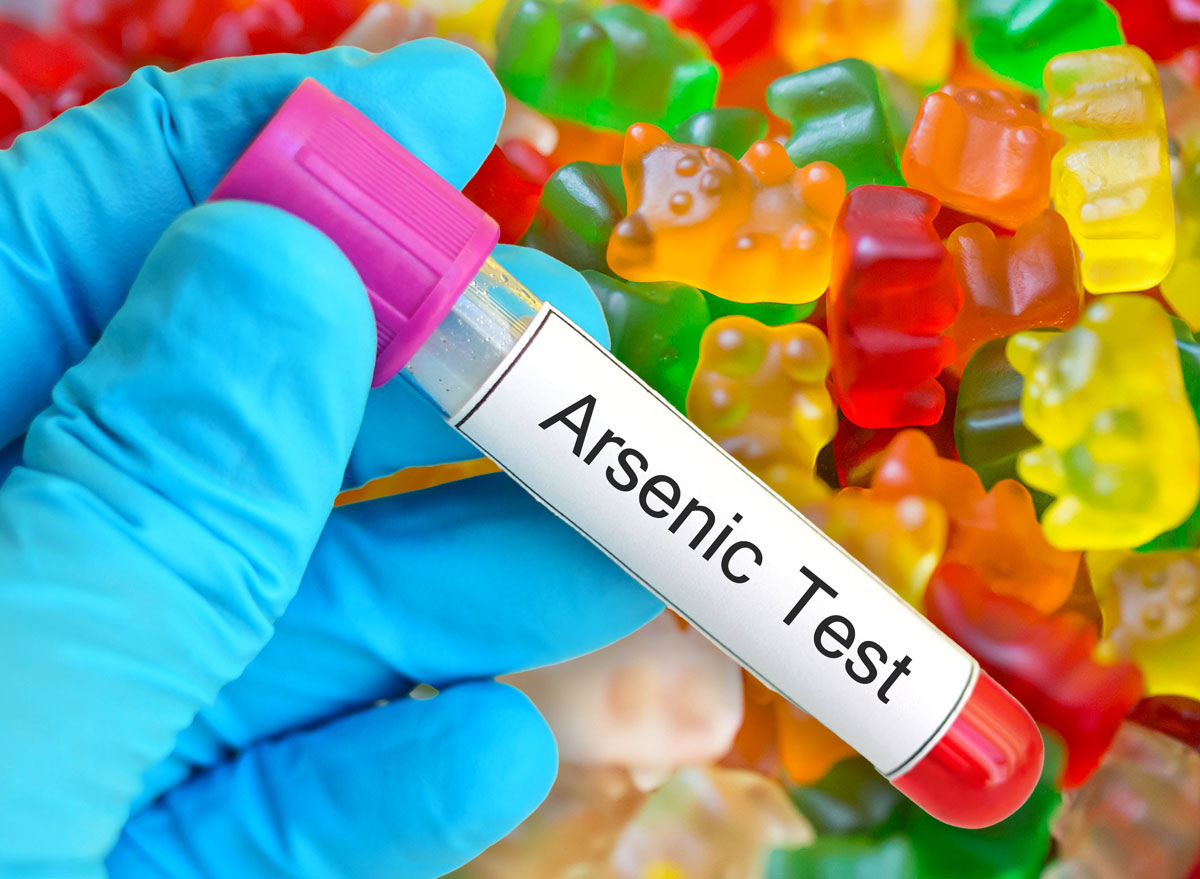
Summary of 80% of These Candies Have Elevated Levels of Arsenic, Says Report:
A Florida Department of Health report indicates that 80% of tested candy products have elevated arsenic levels. Out of 46 candies from 10 brands, 28 were deemed unsafe due to high arsenic content. Florida Surgeon General Joseph Ladapo expressed shock at the levels, noting they were significantly higher than those in other foods.
While some brands, like Ferrara Candy Company, had high-arsenic products, they also offer safer options. Notably, no candies tested positive for lead, mercury, or other harmful carcinogens.
Specific candies were analyzed for arsenic levels, revealing problematic consumption limits that would be unrealistic based on typical serving sizes. For example, a child could safely consume only a few pieces annually of high-arsenic candies like Sour Patch Kids.
The report emphasizes the need for transparency in food safety and calls for proactive measures to ensure consumers, especially parents, can make informed choices. Overall, while concerns about arsenic in candy are serious, some brands and products remain within safer thresholds.
*****
Key Takeaways
- A startling report reveals that 80% of tested candies from several well-known brands contain elevated levels of arsenic, posing health risks particularly to children.
- Independent testing by the Florida Department of Health highlights significant disparities in arsenic levels across different candy products, with some considered safer than others.
- Awareness and transparency surrounding food safety can empower consumers to make informed choices for themselves and their families.
- The report underscores a larger conversation about regulatory practices and the integrity of food supply, highlighting a proactive approach in testing and transparency.
- While many familiar candies are implicated, there are also brands that remain clear of harmful levels, emphasizing the importance of consumer vigilance.
Sweet Treats or Hidden Dangers? The Unsettling Truth About Candies and Arsenic
When you reach for a candy bar or the colorful bag of gummy sweets at the store, it’s easy to assume that you’re indulging in a harmless treat. After all, candies are designed to evoke joy, and they carry a certain nostalgic allure. However, a recent report from the Florida Department of Health casts a shadow over the cheery world of candy, revealing that 80% of tested products contain elevated levels of arsenic, a known toxin. How does this shocking finding affect consumers, particularly parents who want to keep their children safe?
Understanding Arsenic — The Silent Invader
Arsenic has earned its reputation as a toxic element due to its association with various forms of poisoning and long-term health complications, including cancer. It naturally occurs in the environment, making its way into foodstuffs, especially those grown in contaminated soils. Unfortunately, candies often don’t escape scrutiny, as they can be sourced from ingredients where arsenic contamination can occur. This report emphasizes the need for better monitoring and rigorous testing of food products, especially those targeting children.
The Results: A Mixed Bag of Findings
The Florida Department of Health conducted testing on 46 candy products from ten popular brands. Astonishingly, 28 of these candies displayed arsenic levels deemed unsafe over time—quite alarming when you consider how easily many children consume these treats. According to Florida Surgeon General Joseph Ladapo, the arsenic levels present in some candies were two to four times higher than in other foods typically associated with high levels of arsenic, such as rice.
But it’s not just doom and gloom; some brands fared well. For instance, while certain flavors of Laffy Taffy tested high, others remained safe. Knowledge about these differences empowers consumers to make informed choices. For example, Ferrara Candy Company’s organic options showed no signs of arsenic contamination, suggesting safer alternatives exist within brands that might also have products containing harmful levels.
Specific Candy Brands in the Spotlight
To paint a clearer picture, let’s delve into some specific brands and their arsenic levels, shedding light on what’s safe and what isn’t.
-
Ferrara Candy Company: Black Forest Gummy Bears tested at 370 parts per billion of arsenic, allowing for a safe consumption of 16 pieces a year for children. In contrast, Nerds Grape had a higher arsenic level but still listed an astonishing 96 pieces safe for kids annually. The discrepancy in safe serving sizes suggests that consumers need to be cautious and vigilant about what they purchase.
-
The Hershey Company: Their Cookies ‘N’ Creme bar contains 280 parts per billion, making only 1.2 bars safe for kids in a year. Kids often eat multiple bars in one sitting, making this alarmingly low threshold even weaker. Yet, notable candies like the Emergency Milk Chocolate showed no risk, emphasizing the importance of knowing which variations to avoid.
- Nestlé’s Kit Kat: Registered at 230 parts per billion, children could safely eat only about two pieces a year, while adults could have six. With regular bars weighing so much, it’s easily forgotten how quickly consumption can climb above the deemed "safe" threshold.
The wealth of detailed information available can feel overwhelming, but there is strength in knowledge. Equipped with this understanding, consumers can become proactive advocates for their families’ health by making more informed choices.
Why Transparency Matters
Transparency in food labeling and testing is more than a buzzword; it’s vital for consumer safety. First Lady Casey DeSantis emphasizes that families shouldn’t have to question whether their food is subtly affecting their health over time. More independent testing and public reporting can create a dialogue between consumers and manufacturers, building trust and holding companies accountable.
The potential long-term impacts of consuming high-arsenic candies are significant. A greater awareness can catalyze change—from encouraging manufacturers to lessen harmful ingredients to inspiring public policy reforms focused on better regulations in food safety.
The Role of Regulation and Consumer Vigilance
While the report offers a roadmap for consumer awareness, it also highlights the need for government bodies like the FDA to be more proactive. Florida is paving the way for a movement alongside its federal counterparts to enhance food safety processes, promoting transparency as a core value.
When consumers become informed and engaged, they can push for change. Equipping parents with knowledge of candy safety standards ensures that they can advocate for healthier options, ultimately pressuring brands to rethink the ingredients they use and the testing they conduct.
The Sweet Future: Alternatives to Consider
In the wake of such unsettling findings, consumers need not resign themselves to only candies that pose risks. Numerous companies market themselves with a commitment to safer, healthier options. Brands like UNREAL and Yum Earth stand out for their transparency and tests showing no risk of arsenic. Choosing these alternatives not only encourages the consumption of safer products but also supports brands dedicated to improving health standards.
A Call to Action
In conclusion, the sweet treats we often associate with happiness should not come at a hidden cost to our health. Armed with this critical information, consumers can make conscious choices and advocate for clearer food safety regulations. As parents, guardians, and individuals, you have the power to shape the future landscape of food safety.
The more we demand transparency, the more brands will respond. Let’s strive for a world where candy truly is guilt-free, allowing us all to indulge with joy, free from the weight of hidden dangers. Together, with informed choices and collective action, we can create a safer candy aisle for generations to come. You have the knowledge—now it’s time to share it and make a difference!