Summary of Ancient Chinese Herb Shows Promise as a Powerful New Treatment for Common Hair Loss:
A centuries-old herbal remedy, Polygonum multiflorum (also known as He Shou Wu), is being revisited for its potential in treating androgenetic alopecia (AGA), the most common form of hair loss affecting many worldwide. Current treatments like finasteride and minoxidil have limited effectiveness and side effects, prompting interest in alternatives.
Recent studies suggest that Polygonum multiflorum works through multiple biological pathways, inhibiting DHT production and promoting cell survival in hair follicles. It enhances important hair growth signals and improves scalp blood circulation, addressing both hormonal and environmental factors influencing hair growth.
While its traditional use spans over a millennium, modern research supports its efficacy and safety when properly processed. The herb shows promise as a more holistic approach to hair loss treatment compared to single-mechanism drugs. Further clinical studies are needed to establish its full potential.
*****
Key Points:
- Polygonum multiflorum (PMT), also known as He Shou Wu, is a traditional Chinese herb with emerging potential for treating androgenetic alopecia (AGA).
- Unlike conventional treatments, PMT targets multiple biological pathways, including hormonal regulation and follicle survival.
- Ancient uses of PMT are supported by modern scientific findings, linking its historical application to its biological effects on hair growth.
- The herb enhances scalp circulation and nutrient delivery, vital for hair health.
- Safety is a critical consideration; while PMT has a favorable profile when processed correctly, improper usage can lead to complications.
An Ancient Chinese Herb Shows Promise as a Powerful New Treatment for Common Hair Loss
As millions face the challenge of hair loss, hope emerges from an unexpected source. Traditional herbal medicine often holds secrets that modern science is now beginning to unveil. One herb in particular, Polygonum multiflorum, also known as He Shou Wu, is garnering attention as a potential game-changer for treating common hair loss conditions such as androgenetic alopecia (AGA). This article delves into this fascinating herb, illuminating its historical roots and modern promise.
Understanding Androgenetic Alopecia
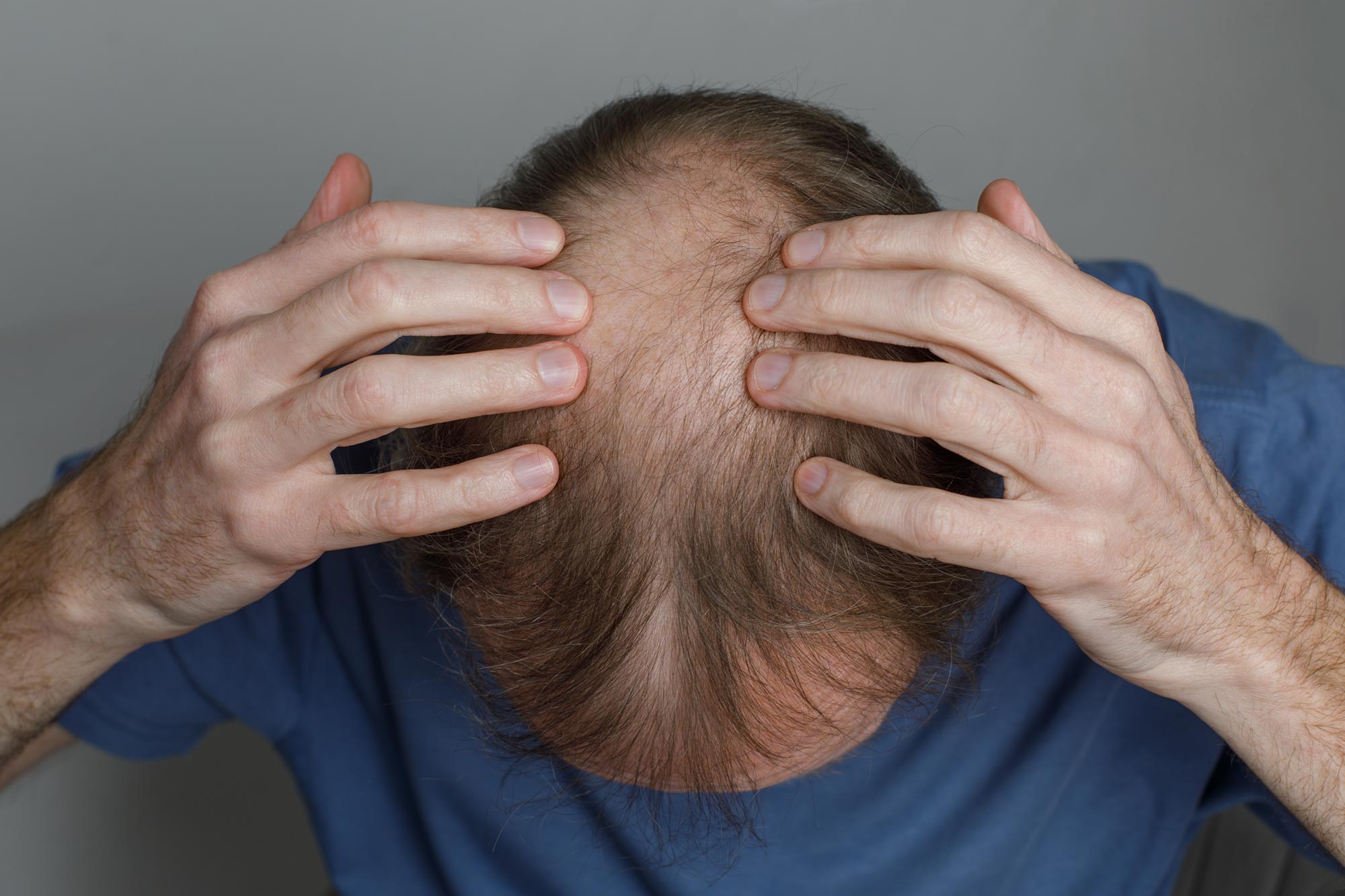
Androgenetic alopecia, or AGA, is the most prevalent type of hair loss, affecting an astonishing number of individuals globally. While often linked to aging, AGA is increasingly seen in younger populations, impacting both men and women. The signs are unmistakable: a receding hairline, thinning at the crown, and unattractive scalp conditions such as dandruff and itchiness. Left untreated, these symptoms can escalate into significant baldness.
As we navigate the landscape of available treatments, it becomes alarming how limited the options are. Finasteride and minoxidil have emerged as the standard medications. However, they carry notable side effects, including metabolic changes and scalp irritation. The quest for effective, safer alternatives is now more urgent than ever.
The Revival of Ancient Wisdom
Enter Polygonum multiflorum—a root steeped in the traditions of Chinese medicine for over a millennium. Ancient texts boast of its ability to “blacken hair and nourish essence.” While these claims may sound mystical, a recent review published in the Journal of Holistic Integrative Pharmacy indicates that this ancient remedy operates on various biological mechanisms that align remarkably well with modern understandings of hair biology.
The analysis by Bixian Han and his team merges historical insights with contemporary science, revealing how ancient assertions resonate with current pharmacological insights. It prompts you to think: what else might we have overlooked in the richness of traditional remedies?
Multi-Target Mechanisms of Action
What sets PMT apart? Its multi-pronged approach to tackling hair loss. Unlike conventional drugs that typically engage a single biological pathway, PMT delves into several avenues simultaneously. Laboratory and animal tests reveal that PMT extracts inhibit 5α reductase, the enzyme pivotal in producing DHT (dihydrotestosterone)—the hormone notoriously linked to hair folicle shrinkage.
Additionally, key constituents of PMT, such as emodin and physcion, reduce DHT levels and diminish androgen activity, offering a comprehensive treatment method rather than a one-dimensional fix.
But it doesn’t stop there! AGA is often associated with abnormal apoptosis—the programmed cell death that curtails hair growth. Essential components in PMT, like 2,3,5,4′-tetrahydroxyl diphenylethylene-2-O-glucoside (yes, it’s quite a mouthful!), extend hair growth by engaging protective pathways. Wouldn’t it be incredible if a simple herb could lend more than just one hand in this complex battle?
Revitalizing Hair Follicles
PMT also reactivates the vital growth signals needed for hair regeneration. Through its influence on the Wnt/β-catenin and Sonic hedgehog (Shh) pathways, PMT initiates hair growth and ensures the longevity of follicle stem cells. Animal studies demonstrate the herb’s ability to wake dormant follicles and stimulate growth phase re-entry.
Moreover, PMT reshapes the hair follicle environment itself. It boosts essential growth factors like IGF-1 and HGF, while suppressing inhibitors such as TGF-β. It’s almost as if PMT cultivates a nurturing ecosystem that favors robust hair production—imagine a garden flourishing due to the right mix of sunlight and nutrients!
Enhanced Scalp Circulation
We often neglect the role of blood flow in hair health. However, PMT emerges here as an ally, enhancing scalp microcirculation through several mechanisms. By lowering blood viscosity and increasing skin temperature, it encourages new capillary growth around hair follicles, leading to improved oxygen and nutrient delivery.
Did you know? Classical Chinese texts have long associated hair health with deficiencies in the liver and kidneys. While these connections may seem archaic, the parallels between ancient diagnoses and modern scientific observations resonate surprisingly well, offering fresh insights into our understanding of hair loss.
Modern Applications and Formulations
PMT is far from a relic of the past; it plays an active role in modern medicine. It’s prevalent in many Chinese medical formulas aimed at mitigating hair loss and can be found in various approved hair growth products, including serums and shampoos. These contemporary applications underscore a promising renaissance for traditional medicine, reinforcing that wisdom from yesteryears can illuminate paths to modern healing.
Safety and Considerations
As we venture into the promising realm of PMT, safety is paramount. When adequately processed—a critical phase in traditional preparation—PMT generally has a favorable safety profile. Unlike many mainstream treatments, it doesn’t come laden with alarming side effects like sexual dysfunction.
Nevertheless, caution is advised. Rare instances of liver injury linked to improper processing or excessive dosages remind us that, while nature can provide powerful remedies, respect and understanding of these substances are essential. Standardization of preparation and dosing, along with the development of modern delivery systems, can help mitigate risks.
The Future of Hair Loss Treatment
As we look ahead, the landscape of hair restoration is evolving. Traditional herbal remedies like PMT are carving out a space among modern therapeutic options. Picture a world where natural herbs complement scientific advancements, creating a synergy that promotes healing in ways we have yet to fully understand.
While large-scale clinical trials are still needed, the research surrounding PMT invites optimism. It showcases how bridging historical knowledge and contemporary science can enrich our medical toolkit. Envision a time when hair loss treatment transcends individual pathways and embraces a holistic approach—one that honors the body’s complexity while offering hope and healing.
Conclusion: Embracing Ancient Solutions for Modern Challenges
As we delve into the intersection of ancient wisdom and modern science, Polygonum multiflorum stands out as a beacon of hope in the ongoing battle against hair loss. This herb embodies a perfect blend of tradition and innovation, encouraging us to explore remedies overlooked in our fast-paced world.
If you’re grappling with hair loss, remember that there’s a wealth of options out there—options rooted in our shared history and enriched by contemporary research. As we embrace these ancient solutions, let’s do so with curiosity, respect, and an unwavering belief in the power of nature to guide us toward healthier tomorrows.
Closing Reflection
In our quest for answers, let us not forget the wisdom of the past. By remaining open to the treasures of traditional medicine, we pave the way for a future brimming with possibilities—one where both ancient and modern insights guide us to solutions that honor the intricacies of our bodies. Here’s to shedding light on age-old remedies as we navigate the modern challenges of health and well-being.