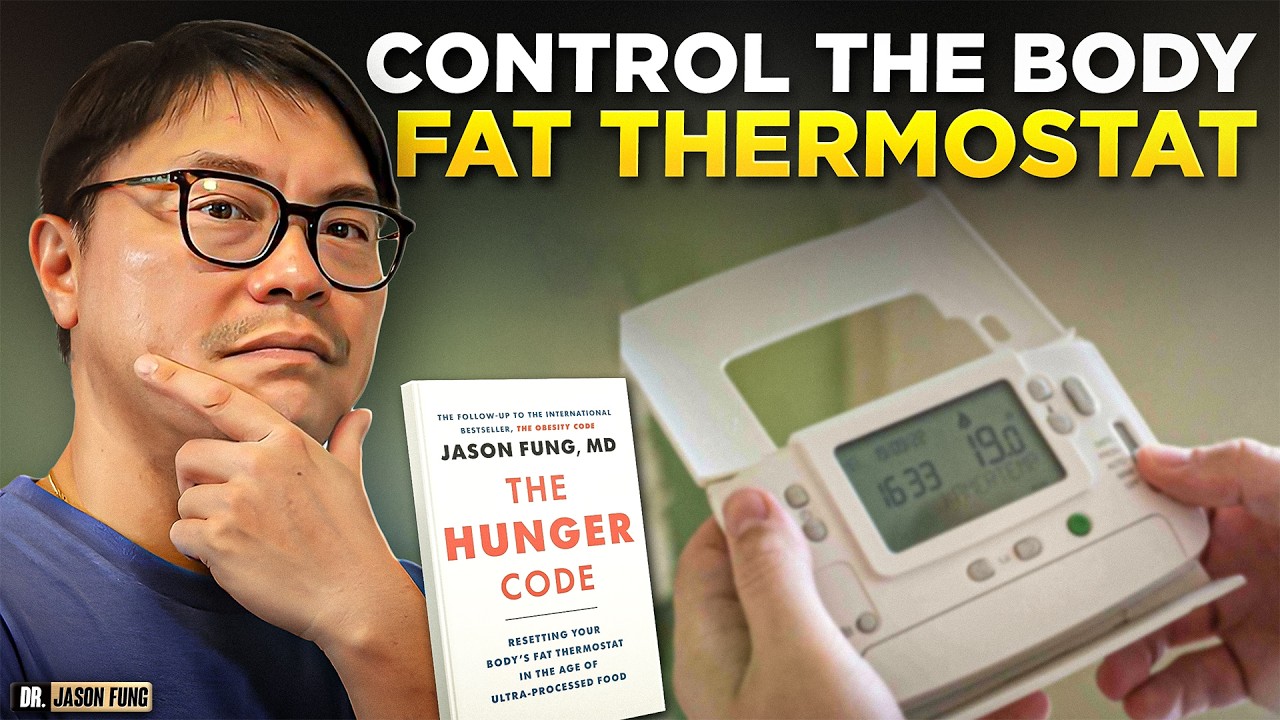
- Understanding the Body Fat Thermostat
- The Role of Insulin in Fat Regulation
- Factors Influencing Metabolism and Fat Storage
- Effective Strategies for Managing Body Composition
- The Importance of Hormonal Balance in Fat Management
Understanding the Body Fat Thermostat
The body fat thermostat refers to the complex biological systems that regulate body fat levels. Similar to a thermostat controlling temperature, this system aims to maintain a stable fat mass. This balance is significantly influenced by various factors including caloric intake, energy expenditure, and hormonal responses. When body fat levels change, the body reacts by adjusting hunger signals, metabolism, and fat storage processes to return to a set point.
The concept originated from observations that weight loss often leads to biological adaptations that resist further weight loss, making it challenging for individuals aiming for prolonged fat reduction. The body becomes efficient in conserving energy when fat stores decline. This phenomenon explains why many experience weight regain after dieting.
The Role of Insulin in Fat Regulation
Insulin is a pivotal hormone in the context of body fat regulation. Produced by the pancreas, insulin facilitates glucose uptake into cells, allowing for its use as energy. However, insulin also plays a critical role in fat storage. Elevated insulin levels encourage the conversion of excess glucose into fat, leading to increased fat stores.
Insulin resistance, a condition where cells become less sensitive to insulin, compromises this regulatory role. It often leads to elevated blood glucose and heightened fat storage, contributing to metabolic diseases, obesity, and other health complications. Individuals with insulin resistance may find it increasingly difficult to lose weight, as their bodies are less efficient at utilizing stored fat for energy.
Factors Influencing Metabolism and Fat Storage
Multiple factors influence metabolism and how the body stores fat. Genetic predisposition can play a significant role; some individuals are inherently more efficient at burning calories, while others may find their bodies store fat more readily. Furthermore, age is a crucial consideration, as metabolic rates naturally decline with advancing years.
Lifestyle choices, including physical activity levels and dietary compositions, significantly impact how the body processes calories. Regular exercise can elevate metabolic rate, while a diet high in refined carbohydrates may promote fat storage. Seasonal variations can also affect metabolism; some studies suggest that people naturally gain weight during colder months in response to environmental changes.
Stress and sleep quality are critical factors as well. Stress hormones, particularly cortisol, can influence body fat distribution and metabolism. Insufficient sleep can lead to hormonal imbalances, promoting increased appetite and cravings for high-caloric foods. Therefore, managing stress and prioritizing good sleep hygiene is essential for maintaining balanced body fat levels.
Effective Strategies for Managing Body Composition
Controlling the body fat thermostat requires a multifaceted approach. Strategies should incorporate dietary, exercise, and lifestyle components. A balanced diet consisting of whole foods, high in fiber and protein, can promote satiety and stabilize insulin levels. Reducing the intake of refined sugars and highly processed foods can also minimize insulin spikes, aiding in fat management.
Incorporating regular physical activity is key. Aerobic exercises, like walking, running, or cycling, can enhance calorie burn. Resistance training further contributes to this by building lean muscle mass, which increases basal metabolic rate. The combination of aerobic and resistance training provides a powerful strategy for maintaining a healthy body composition.
Mindful eating practices can also play a role. By paying attention to hunger cues and eating deliberately, individuals can better distinguish between emotional eating and genuine hunger. Moreover, hydration can aid in feeling full, as sometimes the body confuses thirst for hunger.
The Importance of Hormonal Balance in Fat Management
Hormones regulate nearly every aspect of metabolism. Achieving hormonal balance is crucial for effective fat management. In addition to insulin, hormones such as leptin and ghrelin are essential in hunger regulation and fat storage. Leptin, produced by fat cells, signals satiety, while ghrelin, produced in the stomach, stimulates hunger. An imbalance in these hormones can lead to increased appetite and subsequent fat gain.
Thyroid hormones also play a role in metabolism. Hypothyroidism, a condition where the thyroid gland is underactive, can lead to weight gain and difficulty losing weight. Regular monitoring of thyroid function can help identify potential issues that may impact body fat regulation.
In addition to these hormones, sex hormones like estrogen and testosterone influence body composition. Variations in these hormones can lead to changes in fat distribution, especially during puberty, pregnancy, and menopause. For example, estrogen helps women retain fat for reproductive health, while testosterone supports muscle mass in men. Maintaining hormonal health through diet, exercise, and stress management is vital.
Incorporating these insights can enhance one’s understanding of how to control body fat levels effectively. By recognizing the intricate interactions of dietary habits, exercise routines, and hormonal balances, it becomes possible to make informed decisions toward achieving and maintaining optimal body fat levels. Understanding the body fat thermostat offers pathways to healthier living, emphasizing that striking a balance requires a holistic approach rather than a singular focus on weight loss.
Adjustments to diet, exercise, and lifestyle are not just about losing weight; they are critical components of fostering a sustainable and healthy relationship with food and the body. This perspective encourages individuals to view health as a comprehensive journey rather than a destination. Adjustments over time, supported by ongoing education and awareness, can eventually lead to lasting changes in body composition, promoting overall well-being.
*****
Source Description
Are you struggling to lose weight despite eating less and exercising more? It’s time to stop blaming your willpower and start understanding your biology.
Dr. Jason Fung, best-selling author of The Obesity Code, explains the revolutionary concept of the “Body Fat Thermostat.” Just like your home’s AC maintains a specific temperature, your body has a “set point” for how much fat it wants to carry.
If you only focus on “Calories In vs. Calories Out” without addressing your hormones, your body will fight back by increasing your hunger and slowing down your metabolism. This is why most diets fail in the long run!
In this video, we dive deep into:
✅ The Science of Homeostasis: Why your body resists weight change.
✅ Hormones vs. Calories: The real role of Insulin, Cortisol, and GLP-1 in fat storage.
✅ The “Big Lie” of Dieting: Why eating fewer calories can sometimes lead to more fat storage.
✅ Resetting the Set Point: Practical insights on how to naturally lower your body’s fat thermostat.
✅ Homeostatic Hunger: How to control your appetite by choosing the right foods.
Weight loss isn’t just about math; it’s about hormonal balance. Whether you’re interested in intermittent fasting, low-carb living, or simply improving your metabolic health, this deep dive will change the way you look at your body.
Recommended Books by Dr. Jason Fung: 📖 The Hunger Code 📖 The Obesity Code 📖 The Diabetes Code
💬 WE WANT TO HEAR FROM YOU! Have you ever experienced the “rebound” effect after a diet? What is the biggest challenge you face when trying to eat healthy? Let’s start a conversation in the comments below!
👍 If this discussion helped you, like the video and subscribe for more science-based insights on fasting, hunger, and metabolic health.
▬▬▬▬▬▬▬▬▬▬▬▬▬▬▬▬▬▬▬▬▬▬▬
⏱️ Chapters / Timestamps
00:00 – Introduction to the Hunger Code
01:30 – What is Homeostasis?
03:45 – The Body Fat Thermostat Explained
06:15 – Why Calorie Counting Fails (The Big Lie)
08:20 – Hormones that Cause Weight Gain (Insulin & Cortisol)
10:45 – Hormones that Aid Weight Loss (GLP-1 & Testosterone)
12:10 – How to Naturally Lower Your Set Point
=============================
📌 BOOKS:
👉 The Obesity Code – Reviewing underlying physiology of weight loss and how low carb diets and fasting can help. https://www.amazon.com/dp/1771641258?…
👉 The Diabetes Code – Reviewing how type 2 diabetes is a reversible disease and dietary strategies. https://www.amazon.com/dp/B0795BLS8D?…
👉 The Cancer Code – Scientific exploration of how cancer develops – https://www.amazon.com/dp/0062894005?…
📌 Amazon:
👉 USA – https://www.amazon.com/shop/jasonfung
👉 Canada – https://www.amazon.ca/shop/jasonfung
▬▬▬▬▬▬▬▬▬▬▬▬▬▬▬▬▬▬▬▬▬▬▬
📌 Please visit our :-
🔹 Website – https://www.doctorjasonfung.com
🔹 Blog- / drjasonfung
🔹 Community- https://www.thefastingmethod.com
🔹 Facebook – / jason.fung.313
🔹 Instagram – / drjasonfung
🔹 Twitter – / drjasonfung
▬▬▬▬▬▬▬▬▬▬▬▬▬▬▬▬▬▬▬▬▬▬▬
📌 YouTube Medical Lectures (for specialist physicians):
▶️ The Roots of the Obesity Epidemic: https: // • The Obesity Epidemic, Explained
▶️ Therapeutic Fasting – The Two Compartment Problem:https: // • Fasting and Weight Loss – Solving the…
▶️ Does Calorie Counting work?: • Why Calorie Counting rarely leads to …
▶️ Two Big Lies of Type 2 Diabetes: • Two Big Lies about Type 2 Diabetes
▬▬▬▬▬▬▬▬▬▬▬▬▬▬▬▬▬▬▬▬▬▬▬
If you liked the video, Please Do Subscribe My Channel 😉😍
Keep Supporting me So I can Continue to provide you with free content each week!!😇
▬▬▬▬▬▬▬▬▬▬▬▬▬▬▬▬▬▬▬▬▬▬▬
😍 😍 Thank you for Watching!
