Summary of What Scientists Found Inside a 117-Year-Old Woman Reveals New Clues to Long Life:
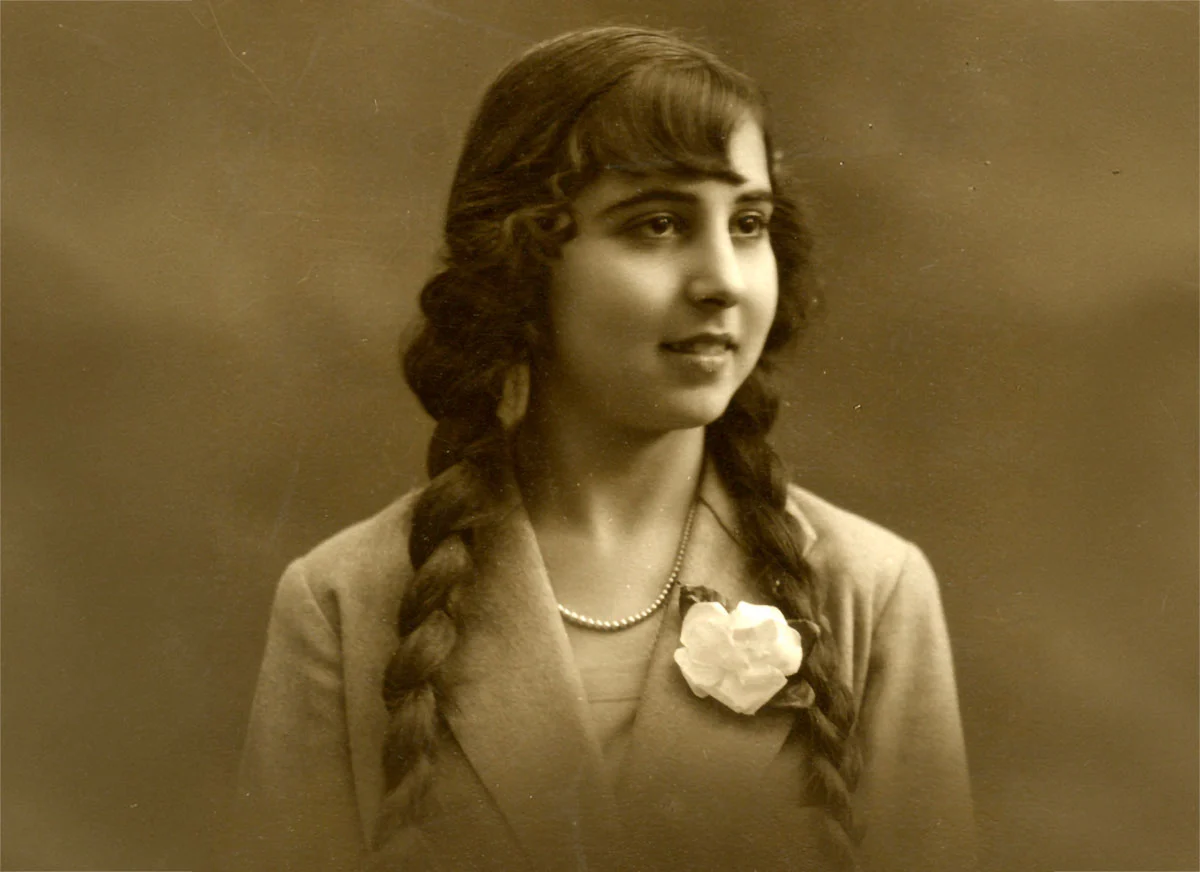
A recent study on Maria Branyas, the world’s oldest verified person, who lived to 117 years, provides insights into extreme longevity. Conducted by a team led by Dr. Manel Esteller, the research analyzed her biological data through various minimally invasive samples.
Despite clear signs of advanced aging—like short telomeres and immune system issues—Branyas did not suffer from major diseases commonly associated with aging, highlighting a potential disconnect between aging and health. Remarkably, her biological age was measured to be over 23 years younger than her chronological age.
The study also identified protective biological traits, including beneficial genetic variations and a healthy gut microbiome. Branyas’s lifestyle choices, including a diet rich in yogurt, may have contributed positively to her longevity.
The findings suggest that extreme longevity may result from a unique combination of genetics, lifestyle, environment, and chance, offering new perspectives on aging and health.
*****
Summary:
- Maria Branyas, the oldest verified living person at 117, exemplifies the complex relationship between aging and health.
- A comprehensive study of her biology revealed dual patterns of aging and healthy longevity.
- Key findings include protective genetic features, efficient metabolism, and a unique gut microbiome.
- The study challenges conventional ideas about aging and disease, suggesting that longevity can exist alongside advanced biological markers of age.
- Insights from Branyas’s case may provide new biomarkers for healthy aging and strategies to extend life expectancy.
The Fascinating Life and Biology of Maria Branyas: Clues from a 117-Year-Old Woman
Imagine navigating a world transformed by two World Wars, a flu pandemic, civil strife, and a global pandemic—all while living a remarkable 117 years. Maria Branyas, who was the oldest verified person in the world before passing in 2024, is a living testament to resilience, longevity, and the enigma of aging. Her extraordinary lifespan, coupled with a groundbreaking scientific study of her biology, unlocks new perspectives on what it means to grow old and healthy.
A Life Marked by Change
Born in 1907 in the United States before moving to Spain, Branyas witnessed monumental historical events and societal metamorphoses. She lived through the 1918 flu pandemic, experienced the tribulations of the Spanish Civil War, and faced the unprecedented challenges posed by COVID-19. Her story is a mosaic of human experiences that span over a century, enriched by its trials and triumphs.
Intriguingly, while many people associate extreme old age with declining health, scientists found surprising results when they examined her biological makeup. Led by Dr. Manel Esteller, the research team conducted what they describe as the most comprehensive study ever on a supercentenarian, unraveling the dualities present in her physiology.
The Study That Unlocked Secrets
The researchers took a deep dive into Branyas’s biology, analyzing samples from her blood, saliva, urine, and stool. This integrated approach—studying her genome, proteome, epigenome, metabolome, transcriptome, and microbiome—painted a nuanced picture of her unique biological landscape.
The findings revealed a puzzling duality. On one hand, there were clear biomarkers consistent with advanced aging—very short telomeres, an immune system with inflammatory features, and clonal hematopoiesis, which is linked to increased cancer risk. On the other hand, evidence of her resilience shone through—her cells exhibited signs associated with healthy longevity and a remarkable ability to remain relatively disease-free into old age.
Signs of Aging and Hope
It’s crucial to understand why this duality matters. While advanced biological age can often predict health deterioration, Branyas defied conventional expectations. Despite having the biological markers typically associated with aging, she managed to escape many age-related ailments like cancer and dementia.
This contrast serves as a refreshing reminder: aging and disease do not always go hand in hand. It opens up a world of possibilities for how we think about aging. More importantly, this discovery could reshape our strategies for extending healthy life spans.
Insights from Her Biology
Looking deeper, the study also uncovered protective features in Branyas’s biology that contributed to her longevity. Some of the most fascinating findings include rare genetic variants that enhance immune function and promote cognitive health. Who would have thought that the code of life could hold such secrets?
Branyas’s blood profile was particularly revealing. Her lipid metabolism stood out for its efficiency, marked by low levels of VLDL cholesterol (often referred to as "bad" cholesterol) and elevated levels of HDL cholesterol (the "good" fat). Plus, her markers of inflammation were notably low—a significant factor given that chronic inflammation is identified as a key driver in age-related diseases.
The Heart of the Matter: Gut Health
Equally noteworthy was Branyas’s microbiome. Scientists noted high levels of beneficial Bifidobacterium in her gut, a group of bacteria known for their anti-inflammatory properties and positive impact on metabolism. While these bacteria tend to decline with age, Branyas maintained levels that rivaled those seen in some centenarians.
What might have contributed to this anomaly? Branyas reportedly consumed about three yogurts daily during the last two decades of her life—a delightful little habit that not only nourished her but may have played a crucial role in maintaining a vibrant gut microbiome. While the study stops short of claiming a direct causation, it’s an intriguing connection worth exploring further.
Not Just Numbers: The Epigenetic Surprise
Among the myriad of analyses, one of the most thrilling aspects came from her epigenome—the chemical layer regulating gene activity. Epigenetic clocks, utilized to gauge biological age based on DNA methylation patterns, revealed that Branyas’s biological age appeared significantly younger than her chronological age, with some estimates showing a gap of over 23 years.
This revelation suggests that her cells behaved more like those of a younger woman, an insight that puts a spotlight on the interplay of genetics and environmental factors in aging. Branyas’s case could inspire further research into how lifestyle choices and genetic factors converge to impact the aging process.
Lessons to Learn
What can we glean from Maria Branyas’s incredible journey and the scientific exploration of her biology?
-
Challenge Assumptions About Aging: The prevailing notion that aging inevitably leads to a slew of health complications needs reevaluation. Branyas demonstrates that aging can coexist with healthful markers.
-
The Interconnectedness of Lifestyle and Longevity: Branyas’s dietary choices and habits—like her yogurt consumption—suggest that even small lifestyle adjustments might have a role to play in promoting longevity.
-
The Importance of Gut Health: A healthy microbiome emerges as a vital player in the equation. Investing in gut health could very well provide the resilience needed as one ages.
-
Genetic Potential: While not everyone will have Branyas’s unique genetic makeup, her case illustrates the tantalizing possibility that some may carry genetic advantages that allow them to evade age-related diseases.
- Room for Hope: The narrative of aging is evolving. Armed with insights from Branyas’s biology, researchers are now exploring potential biomarkers for healthy aging, holding the potential to unlock greater life spans for future generations.
Moving Forward
Extreme longevity may well rely on a rare cocktail of genetics, lifestyle, and a sprinkle of luck. However, the story of Maria Branyas impels us to be curious—curious about our own aging processes, the choices we make, and the biology that hides beneath the surface.
As we ponder her exceptional life and the science that uncovers its mysteries, it becomes clear that every generation has the opportunity to rewrite the narrative on aging. Perhaps it’s not just about living longer but thriving longer—an inspiring prospect with the promise of a healthier, more fulfilling journey through the years.
By examining the life of someone like Maria Branyas, we are encouraged to reflect on our own lives and choices. While her remarkable insights into longevity and health may not be a one-size-fits-all guide, they certainly motivate us to seek improvements in our own lifestyles. Whether it’s small dietary changes or encouraging a mindset shift about aging, the potential for growth and health is incredibly motivating.
So, as you navigate your path through life, keep the spirit of exploration alive. Who knows what remarkable discoveries about aging lie ahead—in science and in your very own life?