Summary of Naturally Occurring Compound May Hold Key to Preventing Liver Disease:
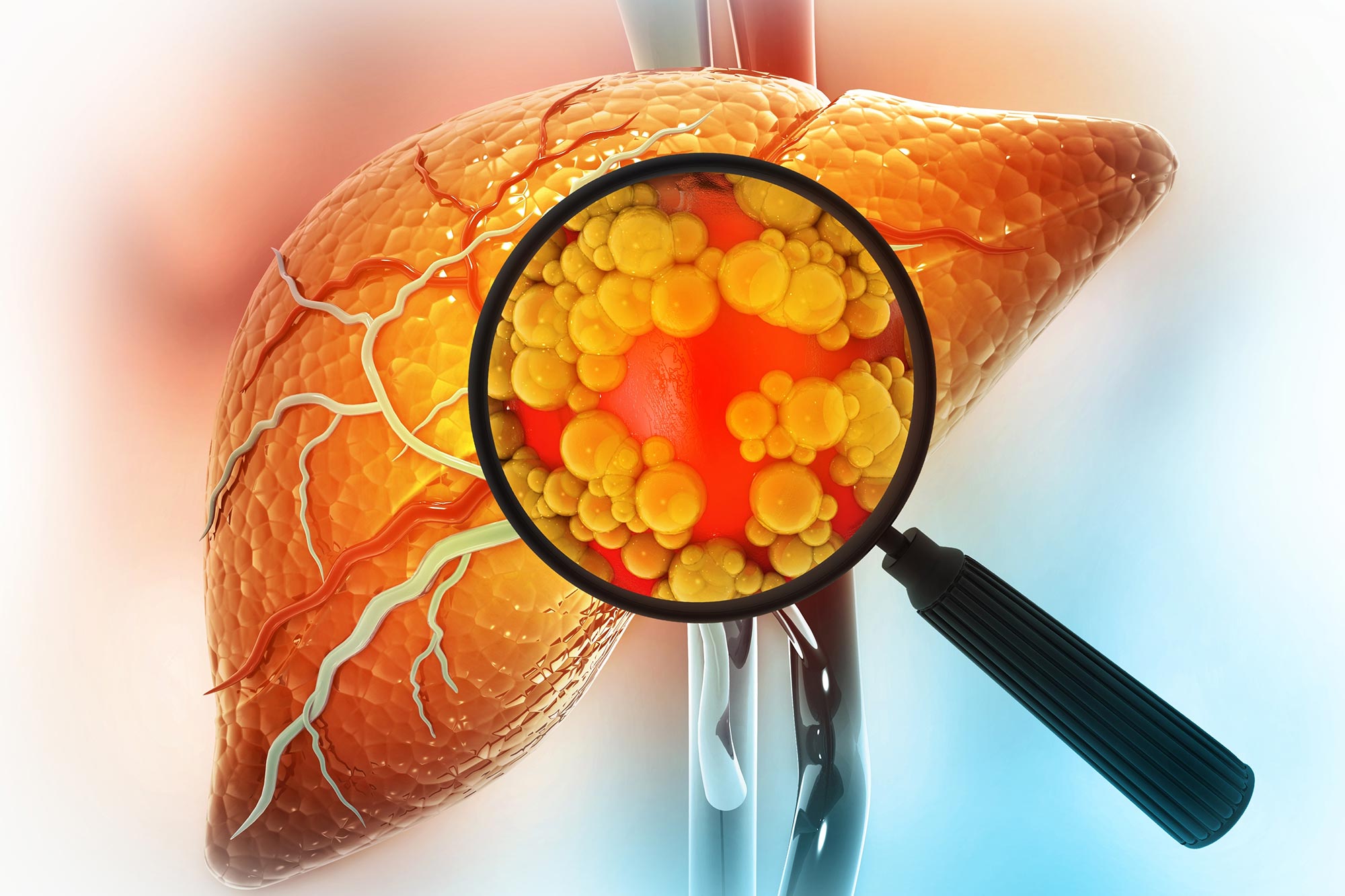
A recent study from the University of Oklahoma indicates that a compound called indole, produced by healthy gut bacteria, may help protect children from developing metabolic dysfunction-associated steatotic liver disease (MASLD) later in life. The research highlights that children whose mothers consumed high-fat and high-sugar diets during pregnancy are at increased risk for fatty liver disease. However, when pregnant and nursing mice received indole, their offspring showed improved metabolic health and reduced fatty liver disease risk, even after being switched to a Western-style diet.
The study found that indole positively affected liver health, weight gain, blood sugar levels, and fat cell development in the offspring. Research suggests that improving the maternal gut microbiome could prevent MASLD in children, as there are currently no approved treatments for the condition once it develops. The findings, although based on animal studies, open possibilities for early prevention strategies against MASLD.
*****
Summary Bullet Points
- A naturally occurring compound called indole, produced by beneficial gut bacteria, may protect against fatty liver disease.
- Maternal diet significantly impacts offspring’s health, with high-fat and high-sugar diets linked to increased liver disease risk in children.
- Recent studies in mice show that indole supplementation during pregnancy and nursing leads to healthier liver function in offspring.
- The research emphasizes the importance of a healthy microbiome in developing effective prevention strategies for metabolic dysfunction-associated fatty liver disease (MASLD).
- Potential implications for humans excite researchers about preemptively combating liver diseases before they take root in children.
Unlocking the Secrets of Liver Health: The Promising Role of Indole
Imagine, if you will, a future where liver disease in children becomes a rare occurrence, a mere shadow of what it is today. This tantalizing prospect may lie within the gut, specifically in the harmonious dance of friendly bacteria. A recent breakthrough holds intriguing potential: a naturally occurring compound called indole is making waves in research circles for its possible protective effects against fatty liver disease, particularly in children.
But let’s step back and look at how we arrived at this exciting intersection of diet, gut health, and liver function.
The Impact of Maternal Diet
It’s no secret that what a mother consumes during pregnancy and breastfeeding can have lasting effects on her child’s health. Recent studies illuminate a rather unsettling connection: children born to mothers who indulge in diets rich in fat and sugar are at an increased risk for developing fatty liver disease—specifically, metabolic dysfunction-associated steatotic liver disease (MASLD). Alarmingly, the prevalence stands at approximately 30% among obese children and around 10% in those without obesity.
Here lies a challenge: Can we change this narrative? Can we find a way to break the cycle before it even begins?
Enter Indole: A Game-Changer
Researchers from the University of Oklahoma, led by the insightful Dr. Jed Friedman, ventured into uncharted territory to test the role of gut bacteria in liver health. They fed female mice a high-fat, high-sugar “Western-style” diet during critical phases of pregnancy and lactation. But here’s the twist: a select group of these mice received indole, a compound produced naturally when gut bacteria break down tryptophan. This amino acid, found abundantly in turkey and nuts, becomes a beacon of hope when it morphs into indole.
Once the offspring were weaned and later switched to a similar Western-style diet, astonishing results emerged. Those blessed with indole during gestation showed markedly improved metabolic health, healthier livers, lower blood sugar levels, and smaller fat cells. Even on diets that typically exacerbate liver disease, these lucky mice seemed to be shielded.
Think about the implications! The very bacteria that reside in our gut could hold the key to not just surviving, but thriving, even in the face of poor dietary choices.
The Science Unpacked
So, what’s really happening at the molecular level? In their quest for answers, researchers discovered that the offspring with indole not only avoided a slew of metabolic issues but also showcased active signaling pathways involving the acyl hydrocarbon receptor (AHR). It’s as if their bodies were learning to communicate better, responding positively even when exposed to potential harm.
Long-chain ceramides—harmful fats typically indicative of liver damage—did not see a boom in levels among these mice. Instead, beneficial very long-chain ceramides flourished! A comprehensive analysis painted a promising picture: the inhabitants of the gut microbiome weren’t just passive witnesses to health; they were active participants in orchestrating it.
Moreover, the ultimate experiment seemed almost too incredible to be true. Researchers transferred gut bacteria from the indole-supplemented offspring to other mice that hadn’t received indole during gestation. Remarkably, these recipient mice also exhibited reduced liver damage. This nuance hints at an even broader understanding: there’s untapped potential in our microbiomes that goes beyond individual health and could start shaping communities.
Getting Ahead of the Problem
While the scientific community is buzzing, the implications of these findings stretch far and wide, especially when we consider pediatric health. Current medical approaches to tackling MASLD rely heavily on weight loss and lifestyle changes—an uphill battle once the disease takes root. By pivoting our focus toward enhancing maternal microbiome health, we have a chance to alter the course before it even begins. As Dr. Karen Jonscher poignantly states, improving the mother’s microbiome may be a far more effective strategy than attempting to reverse the disease in already affected children.
A Paradigm Shift in Nutritional Awareness
What makes this research even more captivating is its potential to change how we think about nutrition and health from a very early age. After all, we often emphasize the importance of diet in the context of immediate physical health or appearance. But what if your plate influences your progeny’s health trajectory for years to come?
This shift in understanding beckons us to re-evaluate the value of nutrition—not just for today, but for future generations. It’s a clarion call for expecting and new mothers to embrace a lifestyle that fosters not only their wellbeing but also that of their children. Imagine community initiatives that support healthy eating habits during pregnancy or educational programs designed to manifest a better understanding of how dietary choices reverberate through generations.
The Role of Education and Community
Now, consider the role of community and education in making this paradigm shift effective. Picture environments in which mothers are supported in their nutritional choices, with accessible information, resources, and networks. Social support can significantly bolster individual effort, especially when it comes to adopting lifestyle changes.
Health professionals could work hand in hand with schools, childcare centers, and community organizations to foster dialogues around nutrition. Workshops, cooking classes, and informational sessions can empower families to make better choices, aware of the profound influence these choices hold over their children’s future health.
Paving the Way Forward
While this study is built on the foundation of mouse research, its implications stretch tantalizingly close to our everyday lives. The excitement throughout the research community is palpable, yet there remain questions hanging in the air. How can these insights be translated effectively for human applications? What other compounds may exist within our gut ecosystems deserving further exploration?
As researchers peer into the gut microbiome, significant transformations in nutritional science and public health policies loom. The composition of our microbiome is not merely a byproduct of our eating habits; rather, it is an active player with the potential to rewrite the health narratives of future generations.
Embracing a Healthier Future
Whether you’re a parent, caretaker, or someone simply curious about the science of health, this emerging knowledge invites each of us to take a more active role in our health choices. You may not have a degree in biochemistry, but understanding the correlation between your intake and the vitality it bequeaths on your offspring is powerful.
Let curiosity drive you! Explore the foods that nourish your gut, experiment with probiotics and prebiotics, and engage in discussions about dietary strategies that could impact community health. Embrace your agency in this conversation, and inspire those around you to do the same.
When we reconsider dietary habits not only as an everyday affair but as a long-term investment in future generations, we unlock the full potential of nutrition as a tool for holistic wellness. Together, we can begin to bridge the gap between research and practical application, transforming knowledge into action.
Conclusion
The discoveries emerging from the corridors of scientific inquiry serve as a reminder that our bodies are intricate systems shaped by a confluence of factors—ones that we can influence. As the research on indole and the gut microbiome continues to evolve, keep your eyes peeled for new opportunities to integrate findings into daily life.
Let this be an invitation to explore, educate, and engage with the notion of health—not just for ourselves, but for the children yet to come. The key to improved liver health, and perhaps the prevention of disease, may lie within. With newfound knowledge, we stand a chance to rewrite the narrative, paving the way for future generations to lead healthier, happier lives.
The journey begins with you.

