Summary of Mayo Clinic Discovers Genetic Twist That Rewrites Rules on Common Liver Disease:
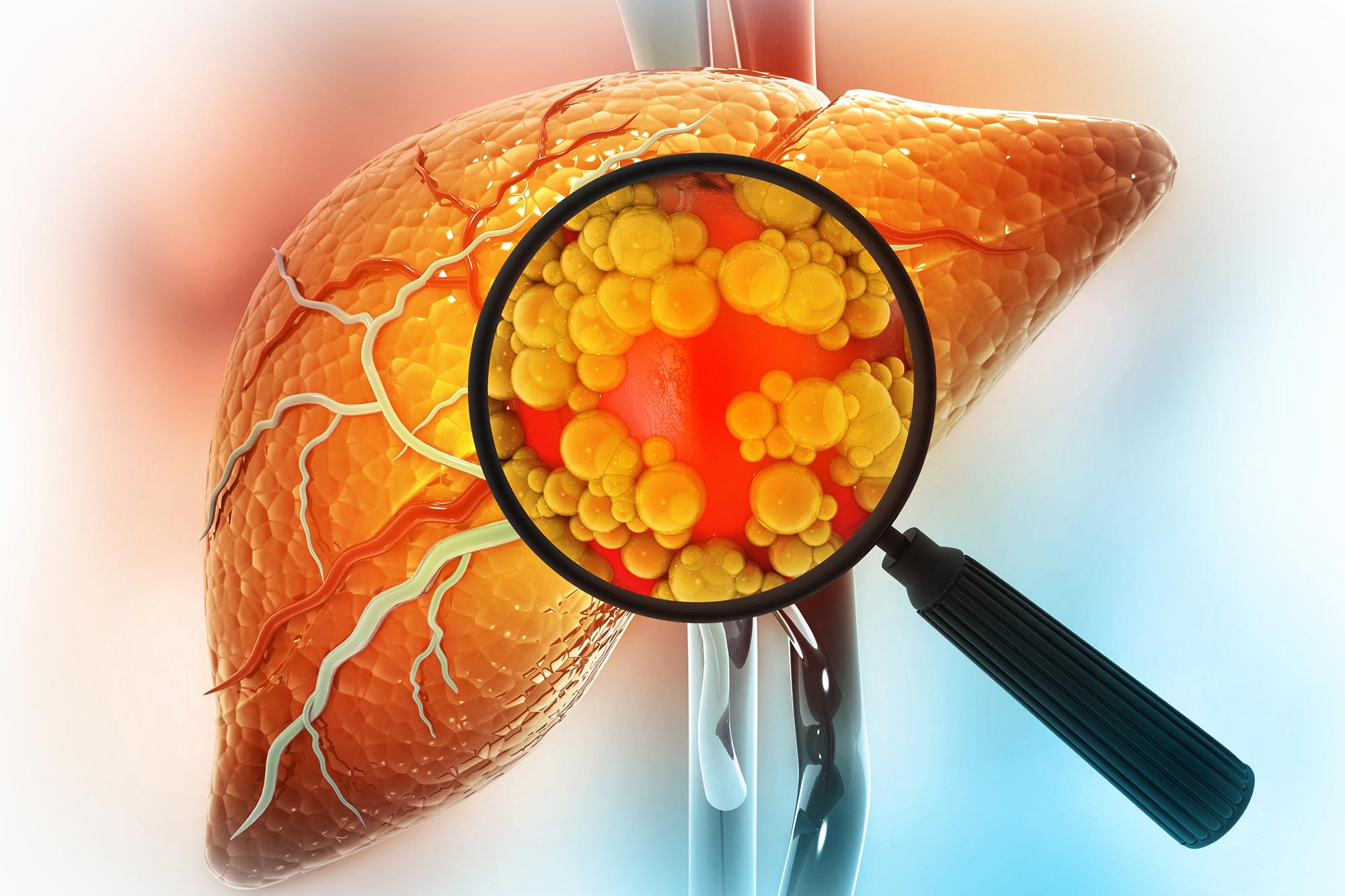
Researchers at the Mayo Clinic have identified a rare mutation in the MET gene that can directly cause metabolic dysfunction-associated steatotic liver disease, previously known as nonalcoholic fatty liver disease. This discovery challenges the belief that the disease arises from a combination of genetic and environmental factors, suggesting instead that a single genetic variant can be the primary cause in some individuals.
The MET gene is crucial for liver repair and fat metabolism. When it malfunctions, it leads to fat accumulation in liver cells, causing inflammation and, over time, resulting in fibrosis or cirrhosis. Approximately one-third of adults worldwide are affected by this disease, which poses significant health risks.
The mutation was discovered through genomic analysis of a woman and her father, who had the disease without typical risk factors like diabetes or high cholesterol. This finding highlights the potential of rare inherited variants to influence common diseases and suggests new therapeutic avenues.
Further analysis from the Mayo Clinic’s Tapestry study revealed that about 1% of participants with this liver disease also harbored similar rare mutations, indicating a broader impact. This research underscores the importance of genomic medicine in clinical practice and aims to inform future targeted treatments for liver diseases.
*****
Summary Bullet Points:
- Mayo Clinic’s Breakthrough: Researchers identified a rare genetic mutation in the MET gene that can directly cause metabolic dysfunction-associated steatotic liver disease (previously known as nonalcoholic fatty liver disease).
- Common Yet Rare: Although metabolic dysfunction-associated steatotic liver disease affects about one-third of adults globally, this discovery points to a genetic cause that had previously been overlooked.
- The Tapestry Study: Mayo Clinic’s large-scale genomic study analyzed over 100,000 participants, revealing that nearly 1% had similar rare genetic variants linked to liver disease.
- Implications for Future Research: This breakthrough opens avenues for understanding complex diseases and developing targeted treatments, with a focus on personalized medicine.
- Holistic Approach: The integration of genomic data into clinical practice at Mayo Clinic illustrates a forward-thinking model for managing rare diseases.
The Genetic Twist that Could Change Our Understanding of Liver Disease
In a world constantly innovating and seeking understanding, the realm of genetic research has provided some of the most groundbreaking insights into human health. Imagine walking into a doctor’s office only to hear that a single flawed letter in your DNA has orchestrated a cascade of health problems—problems you never even knew were tied to your heritage. This reality is increasingly becoming more tangible thanks to the latest discoveries. Recently, researchers at the Mayo Clinic struck gold, uncovering a rare genetic twist that challenges everything we thought we knew about metabolic dysfunction-associated steatotic liver disease (also known as nonalcoholic fatty liver disease). Grab a coffee, and let’s dive into this fascinating journey through genetics, disease, and the tantalizing promise of precision medicine.
A Shocking Revelation
The Mayo Clinic’s Center for Individualized Medicine recently published findings that may alter the way we view one of the most common liver diseases affecting approximately one-third of adults worldwide. Up until now, conventional wisdom said that metabolic dysfunction-associated steatotic liver disease arose from a complex interplay of genetic and environmental factors. However, the researchers posited a revolutionary idea – a single inherited genetic variant in the MET gene could serve as the primary culprit for this condition in some individuals. Yes, a single mutation could rewrite the narrative!
This mutation of the MET gene disrupts crucial biological processes, impairing fat metabolism in the liver and causing dangerous fat accumulation. Fatty liver isn’t merely an inconvenience; over time, it can lead to scarring, fibrosis, and even cirrhosis—conditions that could demand extensive medical intervention or culminate in liver cancer.
Imagine standing on the precipice of better understanding something that has been such a longstanding enigma. The lead author, Dr. Filippo Pinto e Vairo, expressed the significance aptly, saying that this discovery “opens a window into how rare inherited genetic variants can drive common diseases.” Isn’t it inspiring how a single genetic anomaly can alter lives and direct research?
A Personal Touch: The Family Case Study
The revelation started with a specific family case study. Here was a woman and her father grappling with metabolic dysfunction-associated steatohepatitis, yet they showed no histories of traditional risk factors like diabetes or high cholesterol. Their experience puzzled researchers, leading to a deep dive into their DNA.
Researchers examined genetic data from over 20,000 genes and discovered a seemingly minuscule error in the MET gene. It wasn’t a grand anomaly; rather, it was a single swapped letter in the complex script that makes up the gene. Just think of how one tiny error in a code can lead to miscommunication and profound implications! The findings were published in the journal Hepatology, presenting not just an academic triumph but a major leap in the understanding of liver health.
The Larger Picture: The Tapestry Study
As the saying goes, "the whole is greater than the sum of its parts." This adage holds especially true in the case of the Tapestry study conducted by the Mayo Clinic. This extensive genomic effort scrutinized the DNA of over 100,000 participants, transforming raw data into a tapestry that reveals the hidden genetic underpinnings of disease.
Among nearly 4,000 adults diagnosed with metabolic dysfunction-associated steatotic liver disease, about 1% were identified as carrying rare but potentially impactful variants of the MET gene. Most strikingly, 18% of these individuals had variants localized in the same pivotal region as the initial case study. This aligns perfectly with Dr. Konstantinos Lazaridis’s assertion that these discoveries could have ramifications for hundreds of thousands, if not millions, globally.
The implications are staggering! Essentially, as more data flows through the conduits of research, the picture of health disease will grow more vivid, more intricate, and ultimately, more beneficial to those it affects.
Advancements in Genomic Medicine
The work conducted by the Mayo Clinic signifies a burgeoning era in genomic medicine. This is not merely a quest for discovery but a vital engagement with the realities of healthcare. Since launching the Program for Rare and Undiagnosed Diseases in 2019, the clinic has accessed over 3,200 patients, providing them with advanced diagnostic tools to tackle complex medical conditions.
By integrating genomics into clinical care, we’re not just solving puzzles—we’re creating a platform where tailored therapeutic strategies can emerge. We stand at the dawn of a new medical age, where treatments can be personalized to fit not just the illness but the individual’s genetic blueprint. Future studies will pave the way toward targeted treatments for metabolic dysfunction-associated steatotic liver disease, which may very well redefine how we manage liver health.
A Conclusion That Inspires Hope
As we stand captivated by the implications of these groundbreaking findings, it’s important to remember the human aspect of this medical marvel. Health isn’t simply a statistic; it’s a bid for life enhancement and quality of existence. The unraveling of such a complex disease by understanding its genetic components underscores the profound power of individualized medicine.
Today, we’re reminded that science continually evolves, and what seems like a limitation can turn into a beacon of hope. This realization not only sheds light on metabolic dysfunction-associated steatotic liver disease but also showcases the exciting trajectory of medicine where personalized approaches and genomic revelations work hand in hand.
In reflecting on this ongoing journey of exploration and understanding, realize that each discovery resonates far beyond laboratory walls. It touches individuals around the globe, sparking the excitement of innovations, instilling hope in those who suffer, and reinforcing the conviction that science can—and does—transform lives. As we look toward the future, let’s remain motivated by these revelations, knowing one small genetic twist can rewrite the rules for health, unlocking new doors of opportunity for all.