- Understanding the metabolic pathways of fat vs. carb burning
- Identifying physical signs of fat loss
- The role of insulin sensitivity in energy utilization
- Measuring ketones as an indicator of fat burning
- Evaluating diet composition and its impact on energy sources
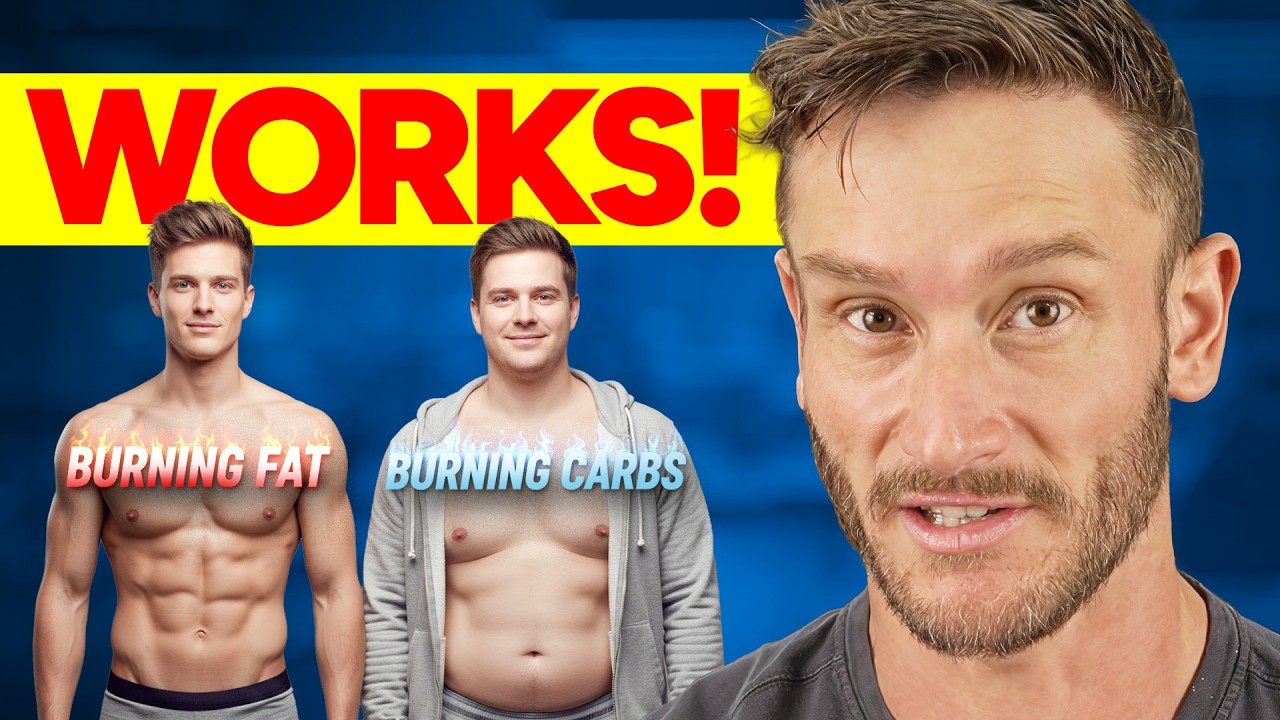
Metabolic pathways dictate how our bodies utilize nutrients. The human body can derive energy from carbohydrates or fats depending on dietary choices and physical activity. Carbohydrate metabolism involves breaking down glucose for quick energy. In contrast, fat metabolism allows for prolonged energy release, particularly during resistance or aerobic exercises. Knowing whether you’re melting fat instead of burning carbs is crucial for those focusing on weight loss, utilizing fat stores effectively, and optimizing overall health.
Physical signs of fat loss are often more subtle compared to carb burning. When the body starts metabolizing fat efficiently, some telltale signs emerge. One common experience is reduced waist size. Often, individuals note clothes fitting better in the abdomen. Additionally, a steady decrease in body weight over time can indicate fat loss, especially when paired with a consistent workout regimen. Energy levels may stabilize or improve as well. Those who efficiently burn fat experience less of the "sugar crash" that often follows carbohydrate ingestion. This overall balance signifies a shift in energy usage towards fat stores, suggesting that the body is effectively melting fat rather than relying primarily on carbohydrates.
Insulin sensitivity plays a significant role in determining which energy source your body utilizes. Insulin is a hormone that facilitates glucose uptake into cells. Higher insulin sensitivity allows for efficient carbohydrate metabolism, but when the body has to deal with excess glucose, it may lead to fat storage instead. Conversely, a lower reliance on carbohydrates can enhance fat oxidation. If your diet keeps blood glucose levels stable and minimizes insulin spikes, the body will favor fat metabolism. Practices promoting insulin sensitivity include incorporating more dietary fiber, engaging in regular exercise, and managing stress levels, all beneficial for fat loss.
Measuring ketones can provide tangible evidence that the body is melting fat. Ketones are byproducts of fat breakdown and are utilized as an alternative energy source when carbohydrates are scarce. Ketosis, a state reached through very low carbohydrate intake or prolonged fasting, leads to elevated levels of detected ketones. This physiological state suggests the body is confidently sourcing energy from fat stores. Evaluating ketone levels can be accomplished through urine tests, breath analyzers, or blood samples, depending on the accuracy desired. A consistent presence of ketones indicates effective fat metabolism over carbs.
Diet composition significantly impacts whether the body melts fat or burns carbohydrates. The type and ratio of macronutrients consumed influence metabolic pathways. For fat melting, diets low in carbohydrates and high in healthy fats may be advantageous. This approach shifts the body’s energy dependency from carbs to fat. Intermittent fasting strategies can also foster fat burning. Limiting eating windows encourages the body to utilize stored fat during fasting periods. Incorporating plenty of vegetables and lean proteins can also optimize the nutrient mix while promoting stable energy levels and beneficial metabolic pathways.
Understanding the metabolic pathways of fat vs. carb burning, identifying physical signs, recognizing the role of insulin sensitivity, measuring ketones, and evaluating diet composition can enhance one’s approach to fitness and health. By focusing on these elements, individuals can position themselves more effectively to promote fat melting over carbohydrate burning.
*****
Source Description
Thanks to Lumen for sponsoring! Go to http://lumen.me/delauer to get 10% off today!
This video does contain a paid partnership with a brand that helps to support this channel. It is because of brands like this that we are able to provide the content that we do for free.
Click HERE to Subscribe: https://www.youtube.com/c/ThomasDeLauerOfficial?sub_confirmation=1
Please check out the new Shorts channel, DeLauer Clips and Workouts, here: https://www.youtube.com/channel/UCQPQImPsw74KhO0Zy2-leyA/videos
Please Subscribe to my Email Newsletter Here: https://www.thomasdelauer.com/life-optimization-tactics/
Follow More of My Daily Life on Instagram: http://www.Instagram.com/ThomasDeLauer
References
https://www.frontiersin.org/journals/psychology/articles/10.3389/fpsyg.2022.854451/full
https://www.sciencedirect.com/science/article/abs/pii/S0149763418309175
https://www.ncbi.nlm.nih.gov/books/NBK209038/
https://pubmed.ncbi.nlm.nih.gov/33270511/
https://pmc.ncbi.nlm.nih.gov/articles/PMC10665514/
Timestamps ⏱
0:00 – Intro
0:47 – What Determines if the Body uses Fats or Carbs?
1:42 – How to Know Whether Your Body is Using Fats or Carbs
5:20 – Lumen
6:46 – Carbs & Energy Levels
8:46 – Stress & Carbs – How to Know You’re NOT Burning Fat
10:20 – How to Know When You’re Burning Fat