- The implications of wearing high heels on spinal health and overall posture.
- Dr. Walid Attia’s recommendations for individuals with spinal issues.
- The interplay between diet, nutrition, and musculoskeletal well-being.
- Understanding the role of metabolic health and insulin sensitivity in spinal health.
- Preventive measures and lifestyle modifications for reducing spinal strain.
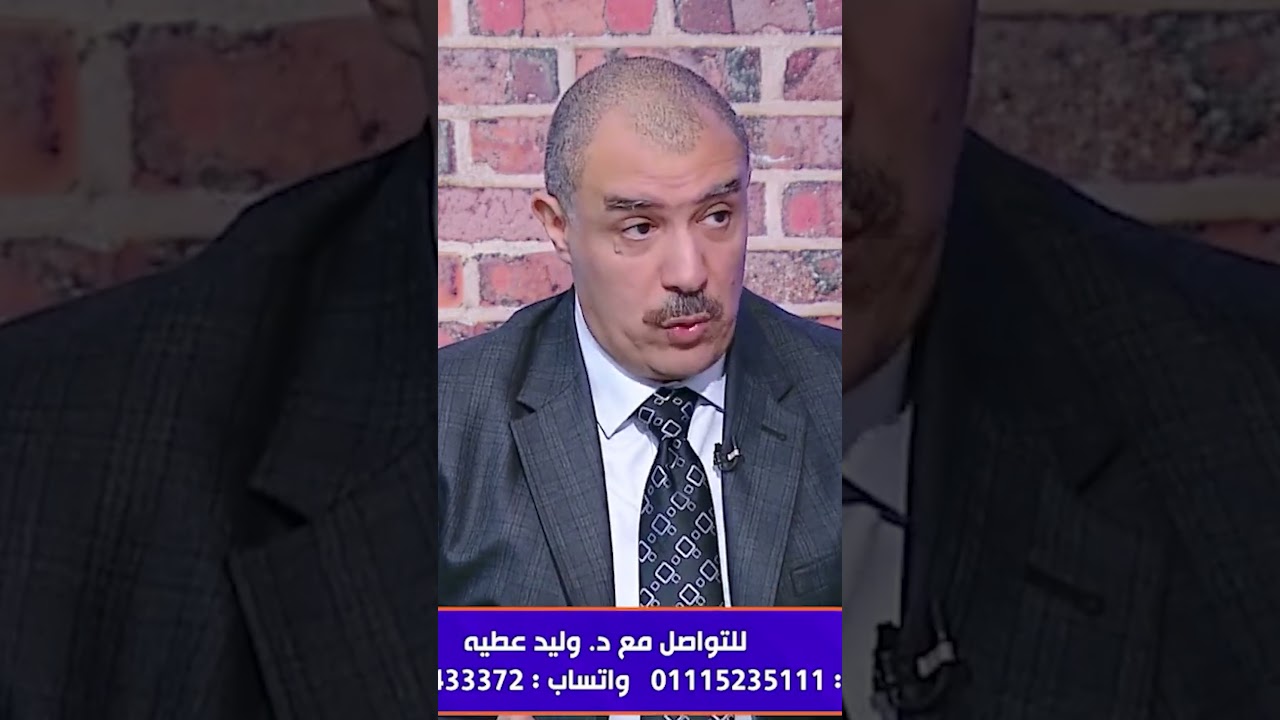
Wearing high heels can be an alluring fashion choice, but their impact on spinal health demands careful consideration. High heels affect posture and alter the body’s alignment, increasing stress on the spine. For individuals with pre-existing spinal issues, such as scoliosis or chronic back pain, the effects of wearing heels might exacerbate their conditions. Dr. Walid Attia highlights this concern, suggesting that while not entirely prohibited, wearing high heels should be limited for those with spinal problems.
Walking in high heels causes the spine to hyperextend, disrupts the natural curve, and places additional pressure on lower back vertebrae. This not only heightens discomfort but also risks further misalignment. While high heels may be detrimental to spine health, those without existing problems might not experience significant issues from occasional use. However, individuals with spinal challenges should heed Dr. Attia’s advice to mitigate potential damage by opting for footwear that supports natural posture and alignment.
Diet and nutrition play a pivotal role in maintaining a healthy musculoskeletal system. A balanced diet rich in calcium, vitamin D, and omega-3 fatty acids promotes bone health and reduces inflammation. These nutrients are essential in strengthening the spine and supporting joint health. Insulin sensitivity, which relates to how effectively the body uses insulin to lower blood sugar levels, is crucial for overall health, including spinal well-being. Poor insulin sensitivity can lead to weight gain, which increases spinal load, contributing to potential back problems.
Addressing metabolic health and maintaining a balanced diet reduces inflammation and supports joint function. Foods high in antioxidants, such as fruits and vegetables, combat oxidative stress and promote cellular repair. Ensuring proper hydration and maintaining a healthy weight further assist in alleviating pressure on the spine, enhancing overall mobility and reducing the risk of injury.
Preventive measures and lifestyle changes are paramount for individuals with spinal issues who wish to wear high heels occasionally. These include choosing heels of moderate height, ensuring the shoes have adequate arch support, and practicing foot and ankle strengthening exercises. Implementing stretching routines can aid in maintaining flexibility and addressing any muscle imbalances that high heels might exacerbate.
Incorporating strength training and practicing good posture significantly benefit overall spinal health. Core exercises, such as planks and yoga, fortify the muscles surrounding the spine, provide better support, and decrease the risk of injury. When complemented by mindful walking and standing practices, these routines can considerably reduce back strain.
Understanding the interplay between fashion choices and health objectives is crucial for anyone concerned about spinal well-being. By following expert advice, such as that provided by Dr. Walid Attia, one can enjoy wearing high heels safely without compromising spine health. Awareness and proactive measures are key to maintaining a balance between aesthetic preferences and long-term physical health.
Elevating health through informed lifestyle decisions underscores the importance of integrating fashion, nutrition, and wellness advice into daily life. For those with or without spinal issues, this holistic approach ensures lasting mobility, strength, and well-being.
*****
Source Description
هل يُنصح بعدم ارتداء الكعب العالي لفترات طويلة لمن يعانون من مشاكل في العمود الفقري؟
في هذا الفيديو، يجيب الطبيب ويوضح التأثيرات السلبية للكعب العالي على فقرات الظهر، خاصةً لمن يعانون من انزلاق غضروفي أو آلام مزمنة في الظهر.
إذا كنتِ تعانين من مشاكل في العمود الفقري، شاهدي الفيديو لتعرفي النصيحة الطبية الصحيحة وكيف تحمين ظهرك من المضاعفات.
**للتواصل مع د. وليد عطية أو لحجز موعد في العيادة، يمكنكم زيارة الموقع الالكتروني : https://www.walidattia.com/ar
او الاتصال على رقم الهاتف : tel:++201115235111
او التواصل عبر الواتساب : https://wa.me/+201142433372