- Understanding the Importance of Protein in Diet
- Strategies for Achieving 100g of Protein Daily
- Exploring High-Protein Foods and Meals
- The Connection Between Protein Intake and Metabolic Health
- Addressing Common Myths About Protein Consumption
Proteins are vital macronutrients that are essential for a myriad of bodily functions. They are composed of long chains of amino acids, which are critical for building and repairing tissues, producing enzymes and hormones, and supporting immune function. Ensuring an adequate intake of protein is important for maintaining muscle mass and enhancing body composition. For those struggling to eat enough protein, setting a target of 100g per day can be a beneficial guideline. This article will explore the significant role of protein, provide strategies to achieve this intake, highlight high-protein foods, delve into the impact of protein on metabolic health, and debunk some persistent myths about protein consumption.
Understanding the Importance of Protein in Diet
Protein plays a fundamental role in maintaining the body’s structural integrity and function. It is vital for muscle growth, especially in athletes and those engaging in resistance training. Additionally, protein consumption can aid in weight management by promoting satiety. High-protein diets often lead to reduced hunger compared to diets rich in carbohydrates or fats, potentially reducing overall calorie intake.
Furthermore, protein is essential in the regulation of biochemical reactions, including those involving enzymes and hormones. Insufficient protein intake can lead to muscle wasting, weakened immune function, and impaired physical performance. As people age, their protein needs may increase to counteract the natural decline in muscle mass and strength, a condition known as sarcopenia.
Strategies for Achieving 100g of Protein Daily
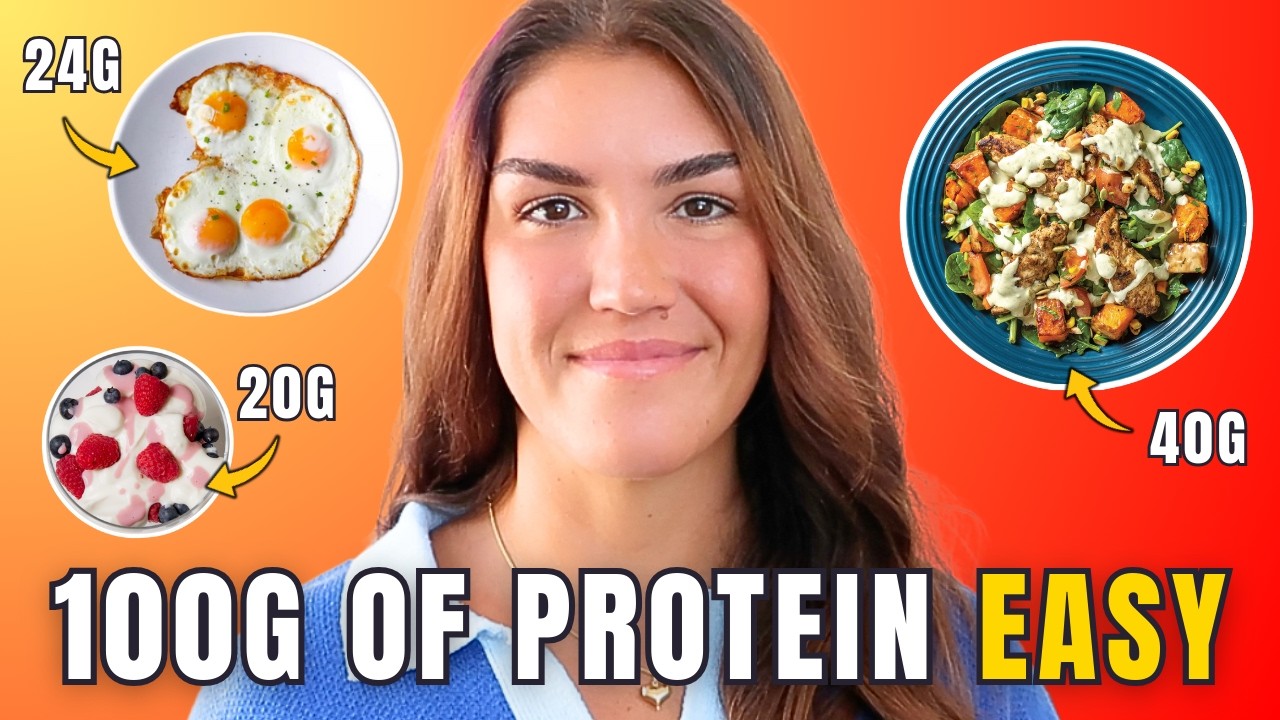
Consuming 100g of protein daily may seem challenging, yet with strategic planning, it can be seamlessly integrated into your diet. Begin by including a source of protein at each meal. For breakfast, eggs, Greek yogurt, or a protein smoothie can be excellent choices. Incorporating protein in snacks is also beneficial – consider nuts, seeds, or protein bars.
Meal portioning is key. Include larger servings of protein-rich foods in your major meals. For lunch and dinner, incorporate lean meats, fish, legumes, or tofu. Increasing portion size does not necessarily mean excessive calorie intake; many high-protein foods are relatively low in calories. For instance, chicken breast and certain fish varieties offer substantial protein per calorie.
Timing can also optimize protein absorption. Consuming protein evenly throughout the day supports muscle protein synthesis. Aim to distribute your daily protein intake evenly across meals and snacks.
Exploring High-Protein Foods and Meals
Selecting the right foods is crucial. Lean meats such as chicken, turkey, and lean cuts of beef or pork are exemplary in providing high levels of protein with minimal fat. Fish and seafood, including salmon, tuna, and shrimp, serve as excellent sources of protein and healthy omega-3 fatty acids.
For vegetarians and vegans, legumes like lentils, chickpeas, and black beans are rich protein sources. Incorporating soy products such as tofu and tempeh can significantly boost protein intake. Dairy products, particularly Greek yogurt and cottage cheese, provide high levels of protein per serving.
Alternative sources like quinoa, amaranth, and spirulina should not be overlooked, offering diverse culinary experiences while meeting protein goals.
The Connection Between Protein Intake and Metabolic Health
Beyond just muscle growth, adequate protein intake has a profound impact on metabolic health. Protein improves insulin sensitivity, playing a role in regulating blood glucose levels. High-protein diets may enhance metabolic rate, promoting greater energy expenditure which can contribute to weight management.
Protein-rich diets may also help mitigate risks associated with metabolic syndrome, including hypertension and dyslipidemia. By optimizing insulin levels and supporting lean muscle mass, protein can aid in reducing the prevalence and severity of metabolic diseases.
Furthermore, the thermogenic effect of protein—the energy required for digestion and metabolism—exceeds that of carbohydrates and fats. This phenomenon can further enhance weight loss and metabolic efficiency.
Addressing Common Myths About Protein Consumption
The realm of nutrition is populated with myths and misconceptions, particularly concerning protein. A frequent myth is the belief that high-protein diets can damage the kidneys. While this concern may hold for individuals with pre-existing kidney conditions, healthy individuals generally do not experience such adverse effects.
Concerns about protein leading to bone loss are often overstated. Contrarily, adequate protein intake is associated with improved bone density and reduced fracture risk, especially when paired with calcium and vitamin D.
Finally, some believe plant-based protein sources are incomplete. While individual plant foods may be lower in one or more essential amino acids, consuming a diverse range of plant foods ensures a complete amino acid profile is met.
Informed protein consumption is an integral part of a balanced diet, supporting both physical health and metabolic function. By understanding protein’s roles and integrating high-protein foods into daily meals, achieving a target of 100g per day becomes an accessible and healthful goal.
*****
Source Description
Are you struggling to eat enough protein in your daily diet? Do you know how much protein you need per meal to reach your daily goal of 100g? In this video, we’ll show you what 100g of protein looks like and provide you with high protein meal ideas to help you get enough protein in your daily diet. We’ll take you through a full day of eating 100g of protein, sharing our favorite protein sources and high protein meals that can be easily incorporated into your daily routine. Whether you’re looking to build muscle or simply improve your overall health, getting enough protein is crucial. So, if you want to learn how to get 100g of protein in your daily diet plan, keep watching!
Best snacks
Equip protein powder (15% off: HEALTHCOACHKAIT) https://hckait.com/protein
Beef jerky (15% off: HCK) https://carnivoresnax.com/discount/HCK
Meal replacement shake (10% off: HCK) https://hckait.com/hlth
🩸 3-Day Blood Sugar Reset ➡️ https://healthcoachkait.com/bloodsugarreset
⚠️ 7-Day Insulin Resistance Masterclass ➡️ https://healthcoachkait.com/IRmasterclass
🎧 Healthy Not Complicated Podcast ➡️ https://hckait.com/podcast
Hi, I’m Kait Malthaner (aka Health Coach Kait)! As a certified health and nutrition coach specialising in blood sugar control and reversing insulin resistance, I’m here to simplify your health journey. My videos cover topics like lowering blood sugar, A1c, and blood pressure, reversing insulin resistance and PCOS, weight loss, abdominal fat loss, and more. Getting healthy doesn’t have to be complicated—small changes lead to big results. Start reversing insulin resistance with me today!
Recommended Products and Discount Codes
🩸 At-Home Insulin Resistance Test (Code: KAIT10) ➡️ https://hckait.com/getsowell
🧂 Electrolytes (Code: HCK15) ➡️ https://hckait.com/sodiielectrolytes
💫 Berberine (Code: KAIT10) ➡️ https://hckait.com/getsobalanced
🩷 Inositol (Code: KAIT10) ➡️ https://hckait.com/getsosynced
🚨 Red Light Therapy (Code: HCK15) ➡️ https://hckait.com/rlt
💦 Sauna Blanket (Code: HCK15) ➡️ https://hckait.com/sauna
🥤 Blood Sugar Balancing Drinks (Code: KAIT15) ➡️ https://hckait.com/goodidea
💪 Clean Whey Protein (Code: HCK15) https://hckait.com/protein
📱 Continuous Glucose Monitor USA (Code: KAIT50) ➡️ https://hckait.com/nutrisense
0:00 Intro
1:10 Why protein is important
1:40 How much protein do you really need?
2:40 Breakfast
3:56 The best type of protein
5:53 Lunch
7:20 Dinner
8:38 Snacks
Disclaimer:
This video is for general informational purposes only and should never be considered a substitute for professional medical advice. Always consult your doctor or a qualified healthcare professional for any questions about your health or medical condition. Some links above are affiliate links, meaning I may earn a small commission at no extra cost to you. I only recommend products I use, trust and love.
#highprotein #protein #health
