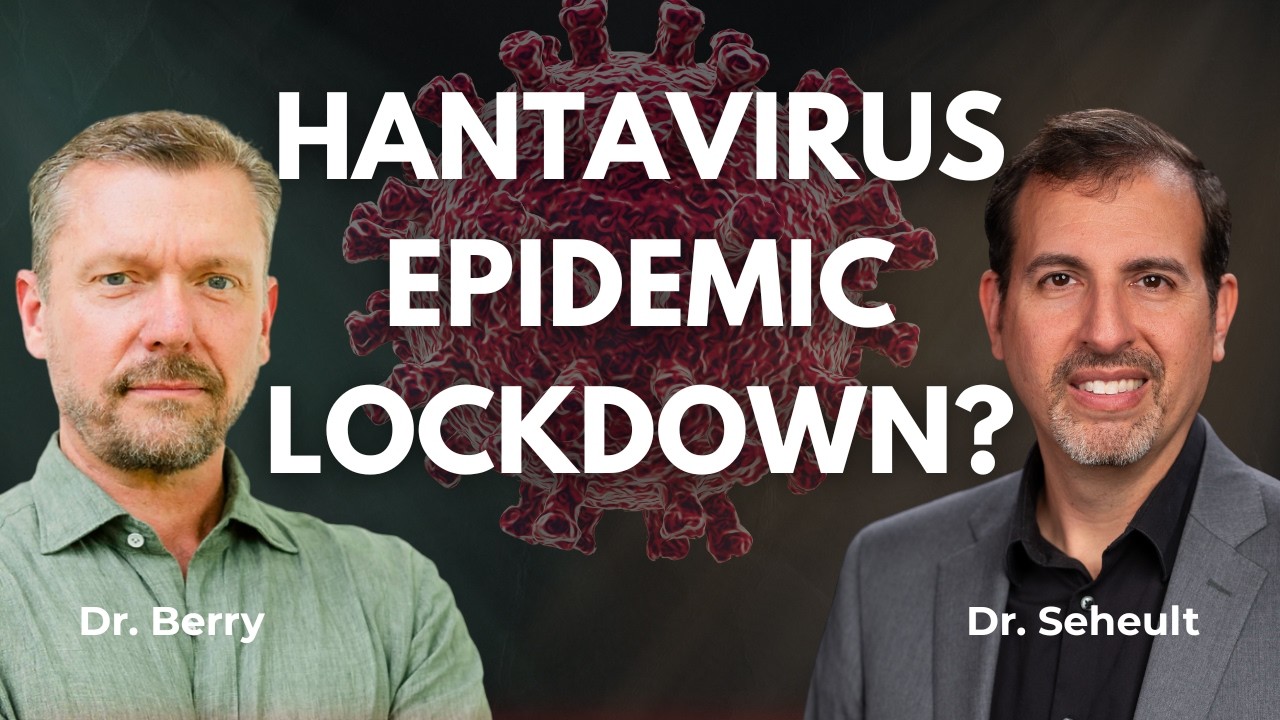
- Overview of hantavirus and its transmission
- The global response to hantavirus outbreaks
- The implications of lockdowns on public health and resources
- ICU challenges during hantavirus outbreaks
- Nutrition and preventative measures against viral infections
Hantavirus, a serious pathogen typically found in rodent feces, poses significant health risks when transmitted to humans. Primarily spread via inhalation of aerosols from rodent droppings, urine, or saliva, hantavirus can result in severe respiratory issues and, in some cases, can be fatal. This article examines the various facets of the hantavirus epidemic lockdown, focusing on the consequences of widespread disease outbreaks and the strategies employed to counteract them.
The response to hantavirus outbreaks on a global scale has involved extensive measures aimed at curbing transmission. Countries have instituted rigorous public health policies that often mirror the protocols seen during other viral epidemics, such as the COVID-19 pandemic. This includes strong recommendations for sanitization, public awareness campaigns, and lockdown measures in particularly affected areas. These interventions can reduce the spread of hantavirus and allow health authorities to better manage existing cases.
The lockdowns necessitated by the hantavirus can have profound implications for public health. While the primary goal remains the reduction of disease transmission, lockdowns also strain healthcare resources. Hospitals may face an influx of patients with severe symptoms, especially in ICU settings. As the number of cases rises, healthcare workers are tasked with managing not only the physical health of patients but also the psychological toll that isolation can impose. The experiences of ICU professionals are telling. They often need not only advanced medical knowledge but also strong interpersonal skills to navigate both the physiological and emotional challenges posed by such viral outbreaks.
Healthcare systems must prepare for the increased need for intensive care. During an outbreak, ICUs can quickly become overwhelmed. The presence of invasive ventilators, constant monitoring, and emergency response protocols are heightened. Staff safety becomes paramount, necessitating enhanced protocols for personal protective equipment (PPE) use and mental health resources for healthcare workers. Given the high-stress environment, institutions are encouraged to replenish resources systematically to mitigate burnout among caregivers.
As lockdowns typically limit social gatherings and daily activities, opportunities arise for individuals to consider lifestyle choices that bolster immune function. Nutritional habits can significantly affect how the body responds to infections. A diet rich in fruits, vegetables, whole grains, and lean proteins can provide essential nutrients that support immune function. This emphasis on nutrition shouldn’t imply a quick fix but reflects the long-term benefits of consistent healthy eating patterns. Certain vitamins, such as vitamins C and D, have been correlated with enhanced immunity. Omega-3 fatty acids, often found in fish, may also play a beneficial role in reducing inflammation.
In addition to diet, understanding metabolic health plays a critical role in preparing the body to resist infections. Insulin sensitivity is a vital aspect of metabolic health, influencing how the body processes glucose and how effectively it can deploy immune responses. Regular physical activity, coupled with stress management techniques, can improve both metabolic health and overall wellbeing. During times of lockdown, finding ways to incorporate movement, whether through at-home workouts or outdoor activities, is crucial for maintaining physical and mental fitness.
In summary, the hantavirus epidemic lockdown illustrates the interconnectedness of public health responses, healthcare resource management, and individual health practices. The strategies put forth reflect a comprehensive view of health that encompasses not just immediate medical needs but also long-term lifestyle adjustments. Amid the challenges, adept management of not only the physical but also psychological aspects of care can lead to better outcomes for patients and healthcare providers alike. As communities adapt and respond to such threats, the knowledge gained will inform future efforts, reinforcing the importance of prevention, preparation, and resilience.
*****
Source Description
Hantavirus Epidemic Lockdown? ICU Doctor Dr. Roger Seheult Breaks Down the Real Risks
Is the hantavirus cruise ship outbreak the start of something bigger? With 3 confirmed deaths, CDC Level 3 activation, and the MV Hondius heading to the Canary Islands, fear is spreading fast.
In this calm, evidence-based interview, critical care physician and MedCram founder Dr. Roger Seheult returns to explain the Andes hantavirus strain, how it spreads (rodent droppings with rare close-contact transmission), early symptoms, high mortality risk if it progresses to pulmonary syndrome, and why experts say the general public risk remains low.
Dr. Seheult breaks down:
Differences from COVID and seasonal flu
Prevention tips for travelers and homeowners
When to seek medical care
Latest updates on U.S. passenger monitoring
If you’re worried about hantavirus symptoms or the latest cruise ship news, this is the clear, trustworthy explanation you need.
Become a Certified PHD Health Coach: www.phdhealthcoachacademy.com
Join the PHD Community: phdhealth.community
CDC House Cleanup for Hanta Prevention: https://www.cdc.gov/hantavirus/media/pdfs/2025/01/HantavirusBrochure-508.pdf
Dr. Seheult is currently an Associate Clinical Professor at the University of California, Riverside School of Medicine His passion is “demystifying” medical concepts. Links:
http://www.medcram.com
Youtube: https://www.youtube.com/@Medcram
X: https://x.com/MedCramVideos