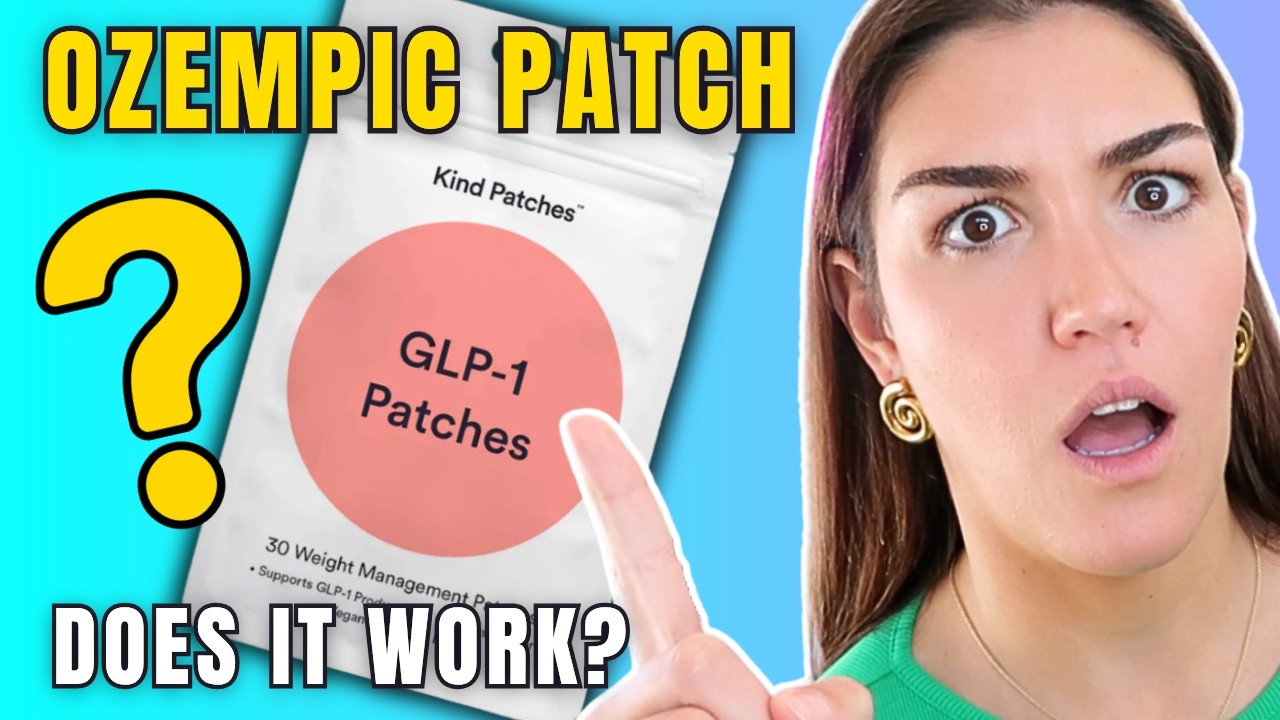
- Understanding GLP-1 patches and their mechanism of action
- The role of GLP-1 in metabolic health and weight management
- Evaluating the effectiveness and scientific evidence of GLP-1 patches
- Comparing GLP-1 patches to other forms of treatment for diabetes and obesity
- Potential side effects and considerations for using GLP-1 patches
GLP-1, or glucagon-like peptide-1, has garnered attention for its potential in managing metabolic conditions such as obesity and diabetes. Recently, the concept of GLP-1 patches has emerged, offering an alternative to traditional methods of administration. These patches are thought to offer a simpler, non-invasive way to deliver GLP-1’s beneficial effects. But how do they work, and do they truly produce the expected results?
Understanding GLP-1 Patches and Their Mechanism of Action
GLP-1 is a hormone produced in the gut that plays a crucial role in regulating appetite and blood sugar levels. It helps enhance insulin secretion in response to food intake, making it important for maintaining glucose homeostasis. Traditional GLP-1 therapies often require injections, which can be a barrier for some patients due to discomfort or inconvenience. GLP-1 patches are designed to administer the hormone topically, providing a steady release through the skin.
The patches utilize transdermal technology, which allows active ingredients to penetrate the skin’s layers and enter the bloodstream. This delivery system aims to provide consistent hormone levels, minimizing the peaks and troughs that can occur with injectable forms. By offering a more convenient option, GLP-1 patches may improve adherence to treatment plans, particularly for those who are needle-averse.
The Role of GLP-1 in Metabolic Health and Weight Management
GLP-1’s influence extends beyond insulin secretion. It also delays gastric emptying, reducing the rate at which food leaves the stomach, and contributes to feelings of fullness. This dual action on insulin and appetite positions GLP-1 as a promising agent in weight management. Individuals with type 2 diabetes or obesity may experience significant benefits from therapies that elevate GLP-1 levels.
The focus on weight reduction is critical, as obesity is a major risk factor for metabolic diseases. By enhancing GLP-1 activity, the patches aim to aid in reducing body weight, improving insulin sensitivity, and potentially lowering blood pressure. These combined effects make GLP-1-based therapies a comprehensive approach to metabolic health.
Evaluating the Effectiveness and Scientific Evidence of GLP-1 Patches
Despite their potential, GLP-1 patches are relatively new, and research on their efficacy is still emerging. Existing studies suggest that transdermal delivery can maintain stable GLP-1 levels, potentially mimicking the natural, post-meal hormone release. However, the absorption rates can vary due to individual differences in skin permeability and patch formulation.
Clinical trials have provided mixed results. Some indicate that GLP-1 patches can effectively lower blood glucose and support weight loss, while others show more modest outcomes. These discrepancies highlight the need for further research to confirm benefits and optimize dosing strategies. The effectiveness of GLP-1 patches may also rely heavily on patient-specific factors, such as baseline health conditions and lifestyle habits.
Comparing GLP-1 Patches to Other Forms of Treatment for Diabetes and Obesity
GLP-1 patches present a novel option but are not the only choice available. Traditional injectable forms, including specific GLP-1 receptor agonists, have a longer track record and a broader evidence base confirming their efficacy. Additionally, oral GLP-1 treatments are being developed to overcome the challenges associated with injections.
While GLP-1 patches offer ease of use, they must be rigorously compared to these established therapies in terms of efficacy, safety, and patient preferences. Some patients may prioritize convenience, while others may seek the most effective treatment regardless of delivery method. This makes it essential to individualize treatment plans based on comprehensive medical assessments.
Potential Side Effects and Considerations for Using GLP-1 Patches
As with any medical treatment, GLP-1 patches come with potential side effects. Commonly reported ones include skin irritation at the application site, nausea, and mild gastrointestinal disturbances. Healthcare providers must weigh these potential adverse effects against the intended benefits when recommending GLP-1 patches.
Patients considering GLP-1 patches should consult their healthcare professional to discuss personal health objectives and any underlying conditions. It’s essential to monitor progress and adjust treatment as needed. Personalized guidance ensures that the treatment aligns with the patient’s broader health strategy and goals.
In summary, GLP-1 patches represent a promising avenue in managing diabetes and obesity by leveraging the biological benefits of GLP-1. However, more robust research is necessary to fully establish their place in therapeutic protocols. Balancing innovation with proven strategies will be key to advancing metabolic health treatments.
*****
Source Description
Have GLP-1 patches been flooding your social media feed too? These viral weight loss patches claim to mimic the effects of Ozempic and Wegovy, without the injections. But do they actually work?
In this video, I break down what GLP-1 patches are, how GLP-1 works in the body, and why these transdermal products are scientifically flawed. I’ll show you the red flags in their marketing, explain why peptides can’t be absorbed through the skin, and share better science-backed alternatives for weight loss and blood sugar control, including berberine.
Shop berberine (10% off: KAIT10) https://hckait.com.com/getsobalanced
🩸 3-Day Blood Sugar Reset ➡️ https://healthcoachkait.com/bloodsugarreset
⚠️ 7-Day Insulin Resistance Masterclass ➡️ https://healthcoachkait.com/IRmasterclass
🎧 Healthy Not Complicated Podcast ➡️ https://hckait.com/podcast
Hi, I’m Kait Malthaner (aka Health Coach Kait)! As a certified health and nutrition coach specialising in blood sugar control and reversing insulin resistance, I’m here to simplify your health journey. My videos cover topics like lowering blood sugar, A1c, and blood pressure, reversing insulin resistance and PCOS, weight loss, abdominal fat loss, and more. Getting healthy doesn’t have to be complicated—small changes lead to big results. Start reversing insulin resistance with me today!
Recommended Products and Discount Codes
🩸 At-Home Insulin Resistance Test (Code: KAIT10) ➡️ https://hckait.com/getsowell
🧂 Electrolytes (Code: HCK15) ➡️ https://hckait.com/sodiielectrolytes
💫 Berberine (Code: KAIT10) ➡️ https://hckait.com/getsobalanced
🩷 Inositol (Code: KAIT10) ➡️ https://hckait.com/getsosynced
🚨 Red Light Therapy (Code: HCK15) ➡️ https://hckait.com/rlt
💦 Sauna Blanket (Code: HCK15) ➡️ https://hckait.com/sauna
🥤 Blood Sugar Balancing Drinks (Code: KAIT15) ➡️ https://hckait.com/goodidea
💪 Clean Whey Protein (Code: HCK15) https://hckait.com/protein
📱 Continuous Glucose Monitor USA (Code: KAIT30) ➡️ https://hckait.com/nutrisense
🔥 Continuous Ketone Monitor (Code: KAIT15) ➡️ https://hckait.com/ckm
0:00 Intro
1:03 What is the patch?
2:56 What is GLP-1?
5:04 Does the patch work?
6:02 Alternatives
Disclaimer:
This video is for general informational purposes only and should never be considered a substitute for professional medical advice. Always consult your doctor or a qualified healthcare professional for any questions about your health or medical condition. Some links above are affiliate links, meaning I may earn a small commission at no extra cost to you. I only recommend products I use, trust and love.