Summary of This Giant Tropical Fruit Could Hold a Surprising Secret to Saving Teeth:
Researchers in Brazil have developed a promising new biomaterial for treating periodontitis, a chronic gum disease that can lead to tooth loss. The hybrid material combines jackfruit latex, pomegranate peel extract, and simvastatin, a cholesterol-lowering drug that shows potential for reducing inflammation and promoting bone regeneration.
The adhesive properties of jackfruit latex may allow the treatment to remain in contact with the affected gum tissue longer than traditional methods, potentially delivering therapeutic effects directly where needed. Early lab tests indicate that this treatment stimulates bone-forming cells, offering a targeted approach to healing that surpasses existing treatments that primarily manage infection.
Although the results are encouraging, the researchers emphasize that further studies are necessary to establish efficacy and safety before clinical application. Their findings were published in the journal Polymer Bulletin.
*****
Summary Bullet Points
- Researchers in Brazil have developed a new biomaterial combining jackfruit latex, pomegranate peel extract, and simvastatin to potentially treat periodontitis, a leading cause of tooth loss.
- The unique properties of jackfruit latex allow it to adhere to gum tissue longer, enhancing localized treatment and minimizing side effects associated with oral medication.
- Early laboratory tests show promise in stimulating bone regeneration and encouraging healing in areas affected by gum disease.
- The biomaterial exhibits potential not just for periodontal health but could also extend into other biomedical applications.
- Ongoing studies aim to further evaluate the efficacy and safety of this innovative treatment as it progresses toward clinical use.
This Giant Tropical Fruit Could Hold a Surprising Secret to Saving Teeth
Imagine walking through a tropical forest, surrounded by lush greenery and the scent of earth after rain. Among the vibrant flora, one colossal tree stands out: the jackfruit tree. This remarkable fruit, often touted for its immense size, has a new distinction that’s piqued scientific interest—its potential role in revolutionizing dental health. Specifically, what if this tropical giant could play a pivotal part in combating periodontitis, a prevalent and concerning gum disease that threatens tooth stability?
Researchers at the Faculty of Medical and Health Sciences at the Pontifical Catholic University of São Paulo have indeed laid the groundwork for something remarkable. They have created an innovative biomaterial that blends jackfruit latex with other natural compounds to target the underlying mechanisms of periodontitis. What’s more thrilling is that the results may offer a fresh chapter in our understanding of dental health—not merely addressing symptoms, but potentially nurturing the very fabric of our oral ecosystems.
The Weight of Periodontitis
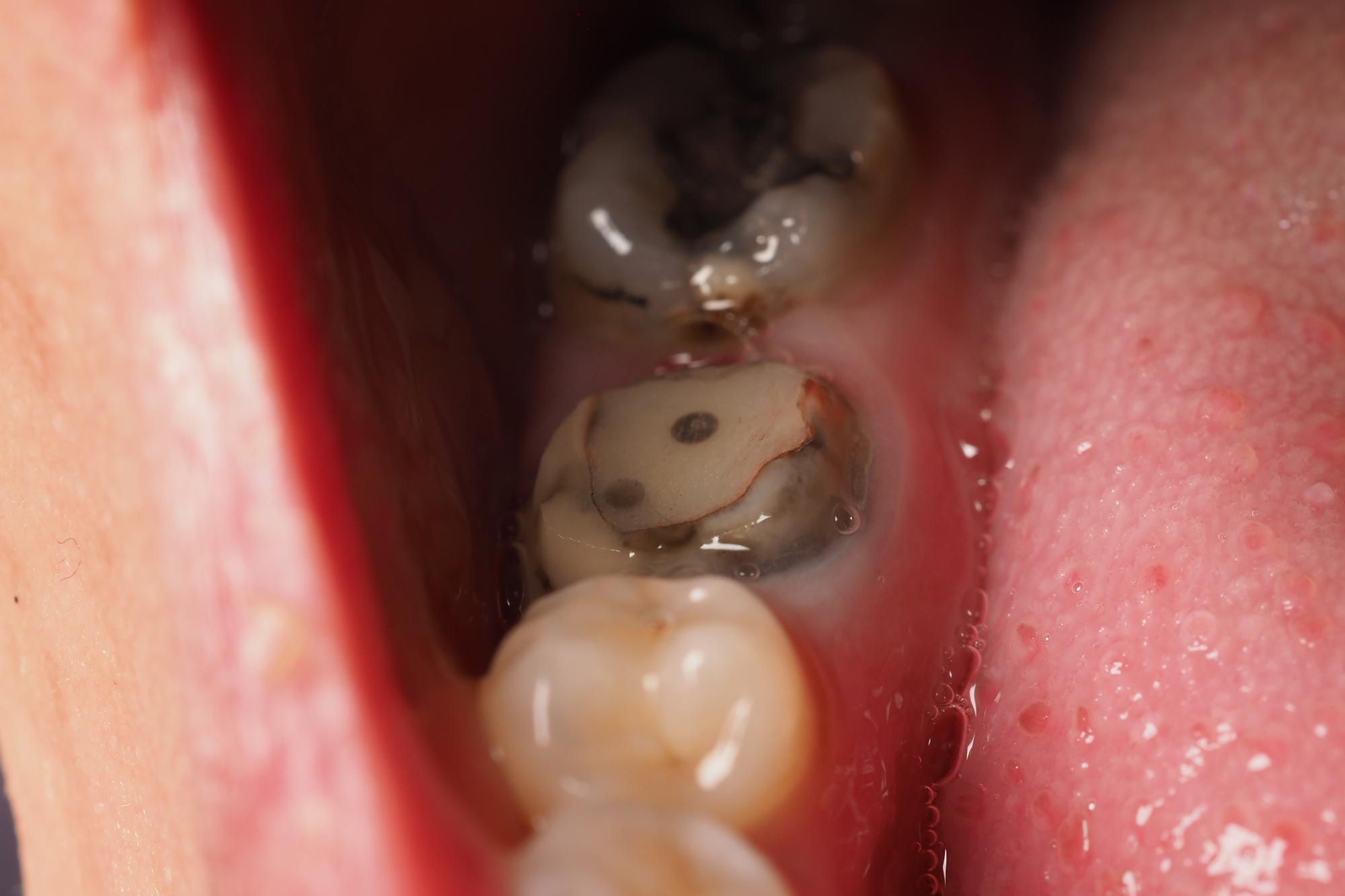
First, let’s unpack the conundrum of periodontitis. This chronic gum disease is a wretched condition faced by millions around the globe, leading to painful inflammation and, ultimately, tooth loss. Picture this: bacteria accumulating around your gums, triggering a relentless immune response that contributes to the destruction of the tissues and bones holding your teeth in place. Over time, your body finds it increasingly difficult to repair the damage—it’s like trying to patch up a sinking boat with flimsy tape.
The existing treatments focus largely on slowing down the progression by managing bacterial growth and inflammation. However, they often fall short when it comes to regrowth of lost tissue. Even advanced techniques like bone grafts can yield inconsistent outcomes, revealing a massive niche in need of new approaches—an area ripe for innovation.
Nature’s Adhesive: Jackfruit Latex
Enter the intriguing world of jackfruit latex. Researchers discovered that this ingredient possesses unique adhesive properties, making it suitable for prolonged contact with gum tissues. Imagine a bandage for your gums that sticks around, continuously working its magic instead of dissolving under your saliva. This newfound perspective led the team to explore jackfruit latex as a primary component of a highly localized treatment.
Imagine if medications could be delivered right where they’re needed most, drastically reducing the requirement for systemic applications that can result in adverse side effects. Professor Eliana Aparecida de Rezende Duek, from the Department of Surgery at FCMS, elucidates this potential, stating, “We began to view latex extracted from jackfruit as an interesting alternative… promoting a more targeted release of therapeutic compounds.”
Marrying Natural and Therapeutic Elements
The research team didn’t stop at just jackfruit latex. They smartly chose to pair it with pomegranate peel extract, known for its antimicrobial properties. By incorporating simvastatin, typically prescribed to reduce cholesterol levels but increasingly recognized for its anti-inflammatory benefits and its ability to spur new bone formation, the researchers crafted a biomaterial that aspires to be a game-changer.
These three components merge into a mucoadhesive matrix—a sort of super gel that can be applied directly to affected gum tissues. This localized treatment doesn’t just tackle infections; it’s designed to promote healing and regeneration—a refreshing approach that shifts from merely managing problems to actively nurturing recovery.
The Infrastructure Behind Jackfruit-Based Treatment
Now, let’s dive deeper into the mechanics of this groundbreaking creation. The process is intricate yet fascinating. Fresh jackfruit is harvested to extract its latex, which is then purified before being combined with pomegranate extract and simvastatin. What follows is a series of rigorous analyses to assess the behavior and compatibility of the resulting biomaterial.
What’s incredibly exciting is the early data garnered from laboratory tests involving human adipose-derived stem cells. With simvastatin concentrations varying from 0.3% to 1.2%, every formulation demonstrated something remarkable—it promoted osteoinduction, meaning it encouraged stem cells to morph into bone-forming cells. This is akin to sowing seeds in a barren field, nurturing them until they blossom.
The Implications of Bone Regeneration
One of the most devastating aspects of periodontitis is its penchant for bone loss. It’s analogous to losing the foundation of a house; without solid grounds, the structure becomes unstable. The fact that this novel biomaterial positively influences bone regeneration sets it apart from treatments that focus exclusively on infection control.
“Overall, the results were very encouraging for us,” says Duek. “We observed that the developed biomaterial has great potential for future applications in treating periodontitis.” Yet she acknowledges it is still in early stages, emphasizing the necessity for further studies to validate its efficacy and safety before venturing into clinical applications.
A Glimmer of Hope
This innovative exploration not only embodies the blend of traditional and modern healing but also underscores an intriguing aspect of scientific inquiry: the potential for overlooked resources—like jackfruit latex—to revolutionize our understanding and treatment of common ailments.
Could this multi-faceted approach reshape the landscape of dental health? The potential is not lost on those invested in improving lives through science. It inspires a profound sense of optimism, suggesting that sometimes, answers lie not in the conventional playbook but in the unexpected corners of our natural world.
Pioneering New Frontiers
As the scientific community continues to delve deeper into this research, it beckons all of us to consider the broader implications of innovation derived from the natural world. Could food sources we regard as mundane hold keys to healing? Could they encourage regenerative processes we’ve yet to harness fully?
This work could extend far beyond periodontal health. The potential applications span various biomedical fields. Just think—if jackfruit can aid in dental recovery, what else might it unlock? What other underappreciated fruits, vegetables, or natural compounds await their moment in the spotlight?
Moving Forward
As the journey progresses, your curiosity matters. Engaging with advancements in oral health empowers you to take charge of your well-being. The unfolding narrative of this unique biomaterial offers a small but compelling window into the future—a future where treatments are not only effective but also rooted in the treasures of nature around us.
Discussing possibilities doesn’t belong solely to those in lab coats. It’s an opportunity for all of us to celebrate innovation, to seek out new information, and to practice effective self-care. After all, knowledge breeds empowerment, and empowered individuals can advocate for themselves and their health.
While we’re still in the early chapters of this exciting research, the evidence is building. This unusual alliance between jackfruit, pomegranate, and simvastatin paints a promising picture—a narrative of healing, resilience, and potential wrapped in the green canopies of our natural world.
Conclusion
So, the next time you encounter a jackfruit, whether on a trip to a market or in the vibrant tapestry of tropical landscapes, remember it’s not just a culinary curiosity. This extraordinary fruit might just possess secrets that extend beyond the dining table and into the realms of health and healing.
Let this adventurous story of science and nature inspire you to keep exploring, keep questioning, and keep pushing boundaries—not just within the world of dental health but in every domain of your life. Embrace the unknown, support innovative discoveries, and relish the joy of learning. The giants of our world often conceal treasures waiting to be uncovered—just like the secrets of jackfruit and its potential to save teeth.