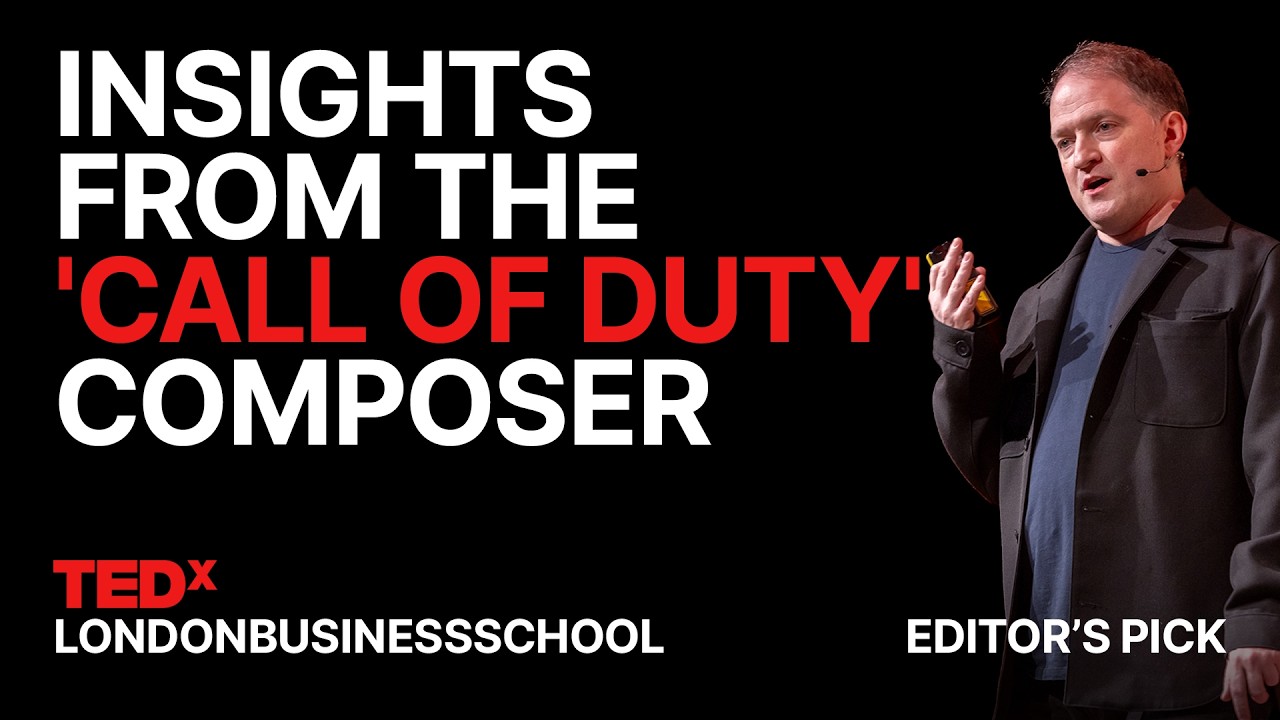
- The creative process behind crafting music for video games.
- The technical elements that enhance video game soundtracks.
- The relationship between game mechanics and musical composition.
- Insights into the emotional impact of music in gaming.
- The evolving landscape of the video game music industry.
Creating music for video games requires a blend of creativity, technical knowledge, and an understanding of game mechanics. This art form evolves continuously as technology advances, influencing how composers approach their work. Stephen Barton, a respected composer in the video game field, shares his thoughts and experiences in the TEDxLondonBusinessSchool talk, aiming to illuminate the intricate process of crafting engaging soundtracks.
The creative process begins with collaboration. Composers often work closely with game designers to understand the game’s story, themes, and intended emotional impacts. This collaboration is not merely about assigning musical notes to sections of gameplay; it involves a deep dive into the narrative and atmosphere that the game aims to evoke. Barton emphasizes the importance of aligning music with the player’s experience, making it vital for composers to immerse themselves in the game. The fusion of gameplay and soundtrack is essential for creating an engaging user experience.
Technical elements also play a critical role in video game music. Composers must understand the various platforms and how audio is integrated within them. This involves learning about audio engines, spatial sound, and the nuances of sound design. Games are often built on complex sound systems that allow adaptive music to respond to player interactions. Adaptive scoring is where the music changes based on gameplay—if a player is in a calm area, soothing notes may play, while action-packed scenes may feature intense scores. This real-time adjustment enhances player immersion and can significantly affect gameplay.
Additionally, the intersection of game mechanics and music composition cannot be understated. Music often serves to reinforce gameplay dynamics. For example, a game’s pacing might influence the rhythm of the score, dictating how tension builds or how a story unfolds. Composers analyze how music interacts with events in the game, ensuring that it elevates rather than distracts from the player’s experience. The music is crafted to match the tempo of gameplay, enhancing the intensity or calmness of specific scenes.
Emotional impact is another fundamental aspect that Barton highlights in his talk. Music has the power to evoke feelings, creating memorable moments in a player’s journey. Effective use of melodies, harmonies, and rhythms can instill a sense of happiness, sadness, or tension. Composers carefully select musical elements that resonate with players’ emotions, cementing specific experiences in their memories. This connection between music and emotion transforms a standard gaming session into an unforgettable experience.
As the industry evolves, so do the trends in video game music. Today’s composers often explore a mix of orchestral and electronic sounds, incorporating various influences from different musical genres. The availability of powerful software tools enables innovative compositions that were once unattainable. This shift in technology not only allows for more dynamic scores but also broadens the palette available for sound experimentation. Composers can now blend styles and instruments to create fresher sounds that align with modern gaming narratives.
Another trend is the growing emphasis on live orchestral recordings. Many game developers are investing in high-quality recordings to enhance the sound experience. This investment signifies a recognition of music as an essential component of game design, rather than a mere afterthought. By engaging professional musicians, composers can achieve a depth and richness in their scores that elevate the final product.
As Barton’s talk illustrates, the need for impactful video game music continues to grow. The industry’s expansion has opened countless opportunities for collaboration among artists with diverse backgrounds. This intersection of creativity and technology fosters innovation in music composition. Composers not only aim to create engaging soundtracks but also strive to craft melodies that resonate with players on a personal level.
In summary, the process of making music for video games involves much more than just creativity. It intertwines technical proficiency, an understanding of gameplay mechanics, a keen awareness of emotional responses, and a commitment to industry trends. The insights from Stephen Barton’s TEDx talk underscore the significance of each aspect in creating memorable music that enhances the gaming landscape and resonates with players worldwide. This collective effort ensures that video game music continues to thrive, making a profound impact on the medium.
*****
Source Description
Stephen Barton revisits a time when video games were dismissed as a waste of time. Drawing from his journey from Hollywood film scoring to blockbuster games, he reveals how gaming has become one of the most powerful storytelling mediums of our time. Yet, beneath that success lies a deeper warning – why is the education system failing to prepare the next generation for this rapidly evolving creative industry? GRAMMY-winning and BAFTA-nominated composer Stephen Barton has left an indelible mark on the realms of film, television, and video games, boasting a prolific career over all three mediums. His body of work includes scores for Star Trek: Picard, all twenty-seven seasons of Apex Legends, Star Wars Jedi: Fallen Order, Star Wars Jedi: Survivor, Call of Duty: Modern Warfare, 12 Monkeys and the entire Titanfall franchise, among numerous others.
Beyond composing, he actively explores both music in education as well as spatial and immersive music for virtual, augmented, and extended reality, contributing his expertise to formats like Dolby Atmos and various binaural and ambisonic technologies. He is a member of Abbey Road’s Spatial Audio research group and the GRAMMY immersive audio committee.
His current projects include projects for Marvel Studios, Activision and Skydance, including 1943: The Rise of Hydra with legendary director Amy Hennig. This talk was given at a TEDx event using the TED conference format but independently organized by a local community. Learn more at https://www.ted.com/tedx