- The interrelation between food choices and stress levels
- The impact of stress on metabolism and health
- Effective strategies to improve diet and reduce stress
- The role of community and support in fostering healthier habits
- Long-term benefits of adopting healthier eating patterns for stress management
In today’s fast-paced lifestyle, the relationship between food and stress is becoming increasingly evident. Many individuals find that their dietary choices are unconsciously influenced by their stress levels. Stress can elicit cravings for specific types of foods—often those high in sugar and unhealthy fats. This connection creates a vicious cycle that perpetuates emotional and physical challenges.
When stress triggers cravings, people may instinctively reach for convenience foods. These tend to be high in calories but low in nutrients, leading to poor metabolic health over time. Emotional eating can stem from the need for immediate comfort or relief, which only provides temporary satisfaction but doesn’t contribute to long-term well-being. Recognizing this connection is the first step towards making informed food choices that can help manage stress effectively.
The impact of stress on metabolism is profound. Chronic stress elevates cortisol levels in the body, affecting insulin sensitivity and overall metabolic health. Elevated cortisol can lead to increased blood sugar levels as the body remains in a constant state of alertness. This phenomenon heightens the risk for various metabolic disorders, including insulin resistance, obesity, and type 2 diabetes. Addressing this cycle requires both dietary changes and stress management techniques.
One of the most effective strategies to break this cycle is to focus on whole, nutrient-dense foods. Incorporating plenty of vegetables, fruits, lean proteins, and healthy fats can provide the necessary nutrients to support both physical and emotional health. Foods rich in omega-3 fatty acids, such as fish and walnuts, have been shown to reduce inflammation and improve mood. Similarly, complex carbohydrates found in whole grains can provide steady energy levels, supporting better mental clarity and emotional stability.
Hydration also plays a crucial role. Dehydration can exacerbate feelings of stress and anxiety. It is essential to drink enough water throughout the day. Herbal teas, such as chamomile or green tea, can be beneficial as they are known for their relaxing properties. Even minor changes, like replacing sugar-laden drinks with healthier options, can lead to improvements in overall health and stress management.
In addition to dietary changes, employing stress-reduction techniques is vital for enhancing well-being. Mindfulness practices, such as meditation or yoga, can significantly lower stress levels. These practices promote relaxation and can aid in reducing emotional eating. Engaging in regular physical activity also supports both body and mind. Exercise releases endorphins, which are natural mood lifters, and can help mitigate stress-related cravings for unhealthy foods.
Community support is another key element in encouraging healthier eating patterns. Sharing experiences with others who face similar challenges fosters a sense of connection and accountability. Whether it’s through cooking classes, support groups, or online forums, interacting with others can inspire positive changes. When individuals feel supported, they are more likely to stick to their goals and make healthier food choices.
Long-term benefits of adopting healthier eating patterns extend beyond immediate stress relief. Better nutritional choices contribute to improved physical health, which can lead to enhanced emotional well-being. Over time, individuals are likely to see reductions in body weight, improved energy levels, and a general sense of vitality. Incorporating balanced meals can significantly reduce the likelihood of developing chronic diseases commonly associated with poor dietary habits.
Establishing a consistent routine around meals can provide structure in an otherwise chaotic daily life. Planning meals ahead of time helps prevent last-minute unhealthy food choices. Keeping a journal that tracks both food intake and emotional states can also reveal patterns in eating behaviors related to stress. This self-awareness serves as a powerful tool for making conscious dietary decisions.
While individual actions are crucial, it’s important to recognize the broader societal influences on food choices, particularly in high-stress environments. Access to healthy food options can be limited in certain communities, leading to the increased consumption of cheaper, less nutritious foods. Advocating for healthier food systems and policies can help create an environment that makes nutritious choices more accessible to everyone.
Food industry’s marketing strategies also play a role in shaping public perception about diet and stress. Many processed foods are intentionally designed to be highly palatable, triggering pleasure centers in the brain. Understanding these marketing tactics can empower consumers to make more informed choices and resist impulsive eating.
The journey towards better stress management through diet is multifaceted. While individual efforts are essential, collaboration within communities, and a comprehensive approach to nutrition education can foster sustainable changes. When individuals start to experience the positive effects of improved eating patterns, motivation often increases, leading to more profound lifestyle transformations.
Fostering an understanding of the complex relationship between food and stress can create a pathway toward better health. In a world where food choices often reflect emotional states, learning to navigate these connections is critical. Research continues to reveal essential insights into how diet influences metabolic health and, in turn, how that impacts stress levels.
As attention to these issues grows, individuals can empower themselves to break free from the cycle of stress and unhealthy eating. Educating oneself about food’s role in mental and emotional health is foundational in cultivating a balanced lifestyle.
By focusing on whole foods, implementing stress-reduction strategies, and building a supportive community, individuals can position themselves for long-lasting change. Embracing healthy habits not only improves stress management but also enhances one’s overall quality of life. The journey toward better health begins with small, attainable changes that can lead to significant, life-altering outcomes. The dedication to understanding the connection between food and emotional well-being is a critical step in achieving lasting health and happiness.
*****
Source Description
Why do so many women feel mentally exhausted right now?
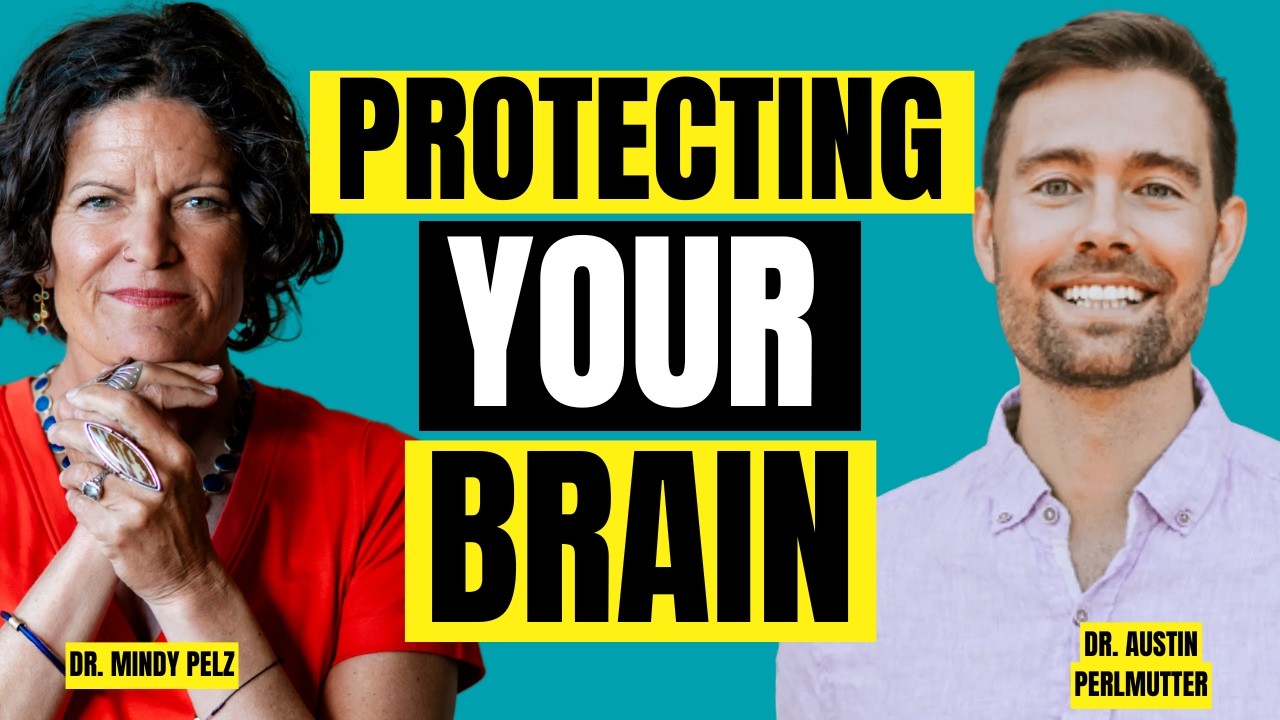
In this conversation, Dr. Mindy Pelz sits down with physician and brain health expert Dr. Austin Perlmutter to talk about brain fog, burnout, chronic stress, inflammation, processed food, nervous system regulation, and the modern habits affecting cognitive health.
Together, they explore:
Why modern life overwhelms the brain
The connection between inflammation and mental health
Brain fog and burnout in midlife
Polyphenols and longevity
The healing effects of nature
How daily habits shape brain function over time
This episode is a powerful reminder that brain health is shaped by the small choices we make every day.
RESOURCES MENTIONED:
Lichen Air:
MORE ON DR. AUSTIN PERLMUTTER:
Website: autinperlumtter.com
Instagram: @draustinperlmutter
🎧 New episodes weekly on The Resetter Podcast: For more resources related to today’s episode, visit the podcast page here: https://drmindypelz.com/ep342/
STAY CONNECTED WITH ME:
Facebook: / drmindypelz
Facebook Group: / resetters
Substack: / drmindypelz
Instagram: / dr.mindypelz
Tiktok: / drmindypelz
THE RESETTER PODCAST:
Apple Podcast: Listen on Apple Podcasts
Spotify: Listen on Spotify
CREDITS:
Photos: Wendy Yalom Photography
Editor: Patrick Hogan
AFFILIATE DISCLAIMER
https://drmindypelz.com/affiliate-dis…
***** Please note the following medical disclaimer: By viewing this video you understand that this video is for educational purposes only. It is not intended to substitute for professional medical advice and should not be relied on as health or personal advice. Always seek the guidance of your doctor with any questions you may have regarding your health or medical condition. You also understand and agree that the terms of our Privacy Policy and Terms of Service apply to your interaction with us.