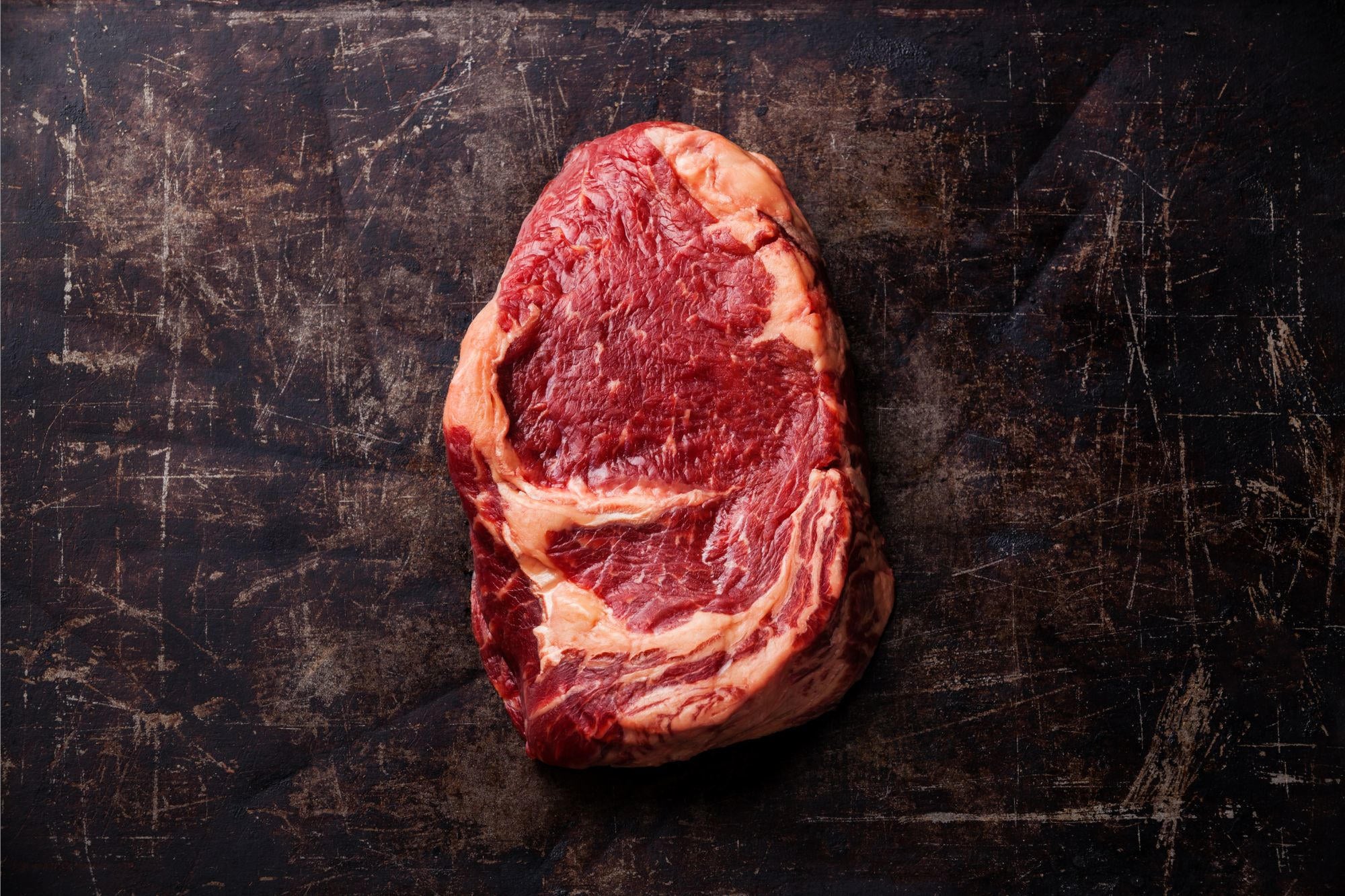
Summary of Eating Meat Linked to Lower Dementia Risk in Key Genetic Group:
A Swedish study published in JAMA Network Open suggests a complex relationship between meat intake and dementia risk, particularly for older adults with the APOE gene variants linked to Alzheimer’s disease. Contrary to expectations, participants carrying the APOE 3/4 and 4/4 genotypes exhibited a reduced risk of cognitive decline when consuming higher amounts of meat. The study followed over 2,100 participants for up to 15 years, highlighting that those with higher meat consumption showed slower cognitive decline, particularly if they had these genetic predispositions. Additionally, lower consumption of processed meat was associated with a decreased dementia risk. Researchers emphasize the need for personalized dietary recommendations based on genetic risk factors. However, as the study was observational, further research is needed to establish causation.
*****
Key Takeaways
- A recent Swedish study indicates that higher meat intake may be linked to a lower risk of dementia for individuals with certain genetic markers, specifically APOE 3/4 and APOE 4/4.
- The study involved over 2,100 participants aged 60 and older, observing dietary habits and cognitive decline over up to 15 years.
- Interestingly, those with higher meat intake exhibited significantly slower cognitive decline compared to those who consumed less, particularly if they carried the at-risk gene variants.
- The type of meat consumed also appeared to matter; higher proportions of unprocessed meat were associated with better cognitive health outcomes.
- The findings call for more personalized dietary recommendations, especially for individuals with genetic predispositions to Alzheimer’s disease.
The Intriguing Intersection of Diet, Genetics, and Cognitive Health
Diet is often our daily companion, shaping our health and wellness in profound ways. Yet, we rarely pause to consider the deeper threads that interweave our choices—genetics being one of the most complex and fascinating. Recent research has spotlighted a compelling connection between eating meat and a lower risk of dementia, particularly among those carrying specific genetic markers.
An Unexpected Finding
Imagine a study that scrutinizes over 2,100 Swedish participants, all 60 years of age or older and initially free of dementia. This significant and long-term investigation—spanning up to 15 years—reveals a tantalizing hypothesis: that meat consumption might not only influence physical health but also cognitive vitality, particularly for those at genetic risk for Alzheimer’s disease.
The researchers at the renowned Karolinska Institutet discovered that high meat intake was related to slower cognitive decline among individuals carrying the APOE 3/4 and APOE 4/4 genotype. This piques interest, doesn’t it? In a world where dietary guidance often emphasizes plant-based eating, this study sheds light on the potential nuances that could alter how we perceive nutrition.
Genetics and Dietary Choices
The APOE gene is well-documented as a crucial player in Alzheimer’s risk; nearly 70% of those diagnosed carry one of the concerning variants. To put this into perspective, about 30% of the Swedish population itself harbors the APOE 3/4 or APOE 4/4 genotypes. The pivotal question the researchers sought to answer was whether higher meat consumption might alleviate the cognitive decline typically associated with these genetic markers.
The results indicated that people with these genotypes consuming less meat had more than double the dementia risk compared to non-carriers. However, participants who indulged in meat—with a median intake nearing 870 grams per week—showed an unexpected resilience against cognitive decline.
The Dietary Impact
Incorporating unprocessed meats—think grilled chicken, fresh cuts of beef, or wild-caught fish—could be key for those with specific genetic backgrounds. People often overlook the different impacts that types of meat may have. The study suggested that a lower proportion of processed meats was linked to a lower risk of dementia, irrespective of one’s genetic predisposition. This revelation changes the lens through which we ought to view our diets, steering us toward not only the amount of meat we consume but also its quality and source.
A Role in Lifespan?
But the research didn’t stop at cognition; a striking follow-up analysis revealed that individuals with the APOE 3/4 and 4/4 genotypes, who consumed more unprocessed meat, experienced a significant reduction in all-cause mortality. This finding altogether inspires reflection on how our dietary choices can either buoy or diminish our well-being down the line.
The Questions Ahead
While these observations are compelling, it’s essential to remember that the study is observational and cannot firmly establish causation. This serves as a crucial reminder that science is never static; it often raises more questions than it answers. Future clinical trials are necessary to pressure-test these findings and begin crafting dietary recommendations tailored to genetic profiles. Imagine a world where your diet is more than just a lifestyle choice, where it’s intricately linked to your genetic makeup!
This research brings forth the notion of personalized nutrition—an evolving field that recognizes that one size does not fit all. Individuals with different genetic markers may require distinct dietary strategies to combat diseases, including dementia.
Unpacking the Mental Framework
As the conversation around diet evolves, so should our attitudes toward food and self-care. It’s easy to dismiss meat as merely a source of protein in our meals. However, understanding its broader implications can embed a new sense of responsibility and empowerment in your dietary decisions.
When you redefine your relationship with food based on genetic insights, it frees you from the one-dimensional biases that often cloud our judgment. You’re not just what you eat; you’re also the genetic tapestry that influences how your body responds to what you consume.
The Need for More Research
One cannot help but feel a sense of urgency as we await further research in this promising area. The importance of tailoring dietary advice based on genetic backgrounds cannot be overstated, especially in regions where certain genetic variants are more prevalent. For example, in Nordic countries, where the frequency of APOE4 is considerably higher than in Mediterranean regions, the quest for appropriate dietary recommendations becomes even more pressing.
One intriguing possibility is to partner with health professionals to initiate a dialogue around genetic testing. This could empower consumers to make informed choices tailored to their neurological health. Such collaboration can be a cornerstone for novel dietary guidelines at a population level.
Crafting Your Own Nutritional Path
While we wait for new studies to emerge, how can you take actionable steps today to align your eating habits with the fascinating findings discussed? Here are some considerations:
-
Educate Yourself: Delve into the complexities of nutrition. Explore how different foods may impact not only your physical health but also your cognitive well-being. Seek books, articles, and evidence-based research to arm yourself with knowledge.
-
Consult Professionals: Engaging with nutritionists and healthcare providers can unravel unidentified dietary gems tailored to you. They can help you decipher your specific genetic makeup in the context of food.
-
Empower Old and Young: Share these findings with friends and family. Encourage conversations about diet and genetics, fostering a communal understanding of how personal choices can alter health trajectories.
-
Experiment Mindfully: As with any journey, personal discovery is key. Explore various sources of protein, such as unprocessed meats, legumes, and alternative proteins. Note how your body feels in response to different choices.
- Stay Curious: The landscape of nutrition science is always evolving. Stay abreast of new findings and consider how they may apply to you personally.
Culture vs. Science
Food does not exist in a vacuum; it’s deeply rooted in culture and tradition. Understanding the complexities of why we eat what we eat can help us break free from mischaracterizations that food (like meat) is wholly bad or good. Our meals should honor our genetics and backgrounds while also providing nourishment.
Adopting an empowering approach to your diet, enriched by the latest scientific findings, is a journey worth taking. Recognizing your unique interactions with your food choices can inform a more balanced, thoughtful approach to eating that accommodates not only your nutritional needs but also your genetic disposition.
Conclusion: A New Era of Dietary Awareness
In an era increasingly focused on personalization and individual health, the findings surrounding meat consumption and dementia risk for certain genetic groups are remarkable. They remind us that every bite we take has the potential to resonate through our cognitive health for years to come.
So as you enjoy your next meal, savor not just the flavors and textures but also the science that now intertwines with your dish. Every meal is an opportunity to nourish not just our bodies but our minds. In this journey of self-discovery, the path you carve today may very well impact the whole of your tomorrow. Let that fill you with a renewed sense of possibility—a small but significant step towards a vibrant, healthy future.