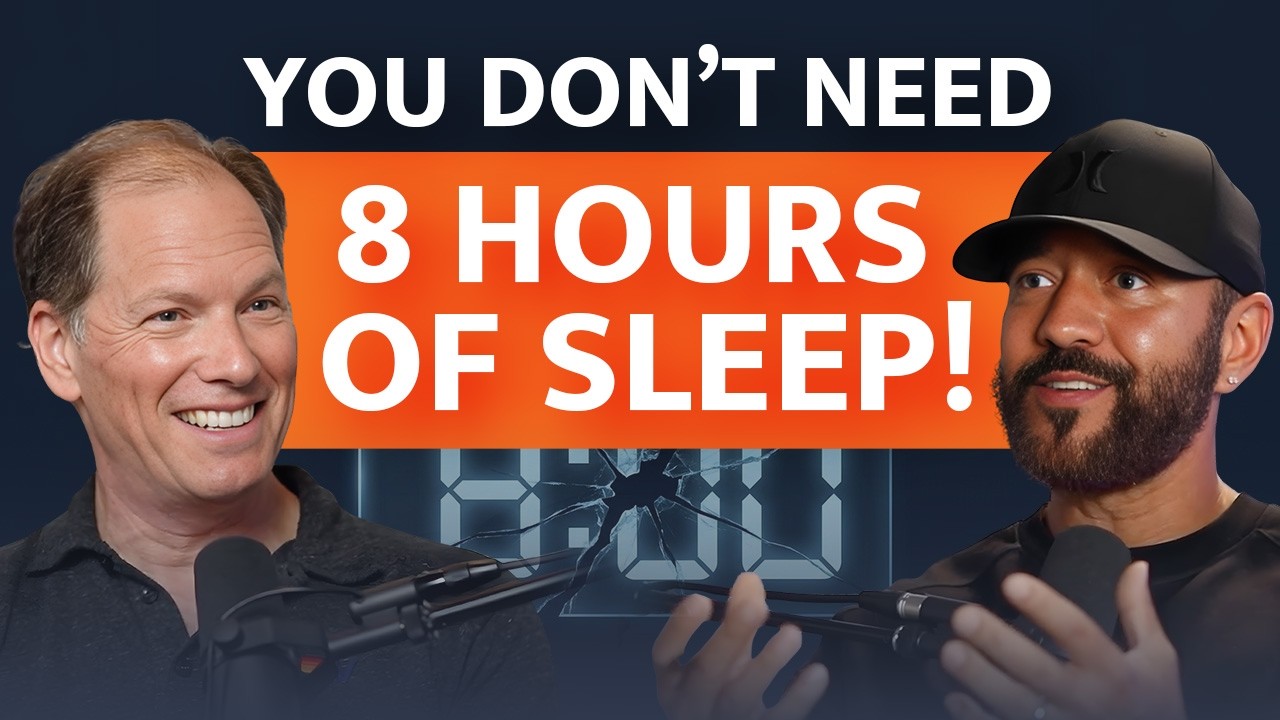
- The relationship between snoring and sleep quality.
- How weight impacts snoring and sleep apnea.
- The metabolic effects of disrupted sleep.
- Strategies for improving sleep quality to aid weight loss.
- Relevant insights from Dr. Michael Breus on sleep and health.
Snoring affects millions of individuals across the globe, yet many remain unaware of how it links to overall health and weight management. Dr. Michael Breus, a prominent sleep specialist, highlights the critical connection between snoring, sleep quality, and body weight. Recognizing this relationship can significantly enhance both sleep and metabolic health, facilitating improved lifestyle choices.
The relationship between snoring and sleep quality is intricate. Snoring often results from an obstruction in the airway during sleep, which can cause more than just annoying sounds. It may lead to fragmented sleep patterns, prompting repetitive awakenings throughout the night. These disruptions contribute to excessive daytime drowsiness, irritability, and reduced cognitive function. The prevailing notion is that the more severe the snoring, the worse the sleep quality. Consequently, individuals may not receive the restorative rest their bodies require, which sets the stage for weight gain and metabolic issues.
Weight can significantly impact snoring and sleep apnea, a condition where breathing stops intermittently. Excess body weight creates additional pressure on the neck and airway, exacerbating these conditions. Sleep apnea not only leads to restless nights but can also influence insulin sensitivity, a vital factor in weight management. Individuals struggling with obesity are more prone to sleep disorders, resulting in a vicious cycle; poor sleep can lead to weight gain, which in turn leads to further deterioration of sleep quality. Studies indicate that individuals who are overweight are more likely to snore and experience obstructive sleep apnea than those at a healthy weight.
The metabolic effects of disrupted sleep cannot be overstated. Sleep is integral to maintaining hormonal balance, including hormones that regulate hunger and appetite, such as ghrelin and leptin. Ghrelin increases appetite, while leptin signals satiety to the brain. Disrupted sleep tends to elevate ghrelin levels while suppressing leptin, which may lead to increased hunger and cravings, particularly for high-calorie foods. This hormonal imbalance may significantly contribute to unhealthy eating patterns and subsequent weight gain.
Dr. Breus suggests that prioritized sleep can aid in weight loss efforts. Improved sleep hygiene practices can establish healthier sleep patterns, ultimately influencing weight management. Simple strategies such as creating a consistent sleep schedule, optimizing the sleep environment, and practicing relaxation techniques can lead to more restorative sleep. Limiting intake of caffeine and alcohol, particularly close to bedtime, can also foster better sleep quality. Additionally, incorporating regular exercise into daily routines not only enhances physical health but also promotes more profound and restorative sleep.
Addressing snoring and enhancing sleep quality can also involve exploring underlying issues such as allergies, nasal congestion, and anatomical factors. For some individuals, utilizing devices like Continuous Positive Airway Pressure (CPAP) machines may provide relief if diagnosed with sleep apnea. Additionally, lifestyle modifications such as weight loss may lead to significant improvements in snoring and sleep quality. Breus emphasizes the importance of consulting healthcare professionals for tailored treatment plans, especially for persistent snoring or ongoing sleep disturbances.
A holistic approach that combines healthy dietary choices, reinforced sleep hygiene, and physical activity can dramatically impact both sleep and weight management. Proper nutrition supports metabolic health, influences energy levels, and contributes to maintaining a healthy weight. Emphasizing whole foods, such as fruits, vegetables, lean proteins, and whole grains, can provide the body with necessary nutrients for optimal health, thus facilitating both weight loss and improved sleep. Furthermore, managing stress through mindfulness and meditation can also promote better sleep, indirectly impacting weight.
The impact of snoring and related sleep disturbances is often overlooked in conventional weight management strategies. By addressing sleep quality and the factors contributing to snoring, individuals can achieve more effective results in their weight control efforts. Understanding the physiological connections between sleep and weight allows for informed choices that bolster overall health.
In summary, Dr. Michael Breus sheds light on the crucial links between snoring, sleep quality, and weight loss. Through enhancing sleep hygiene, making mindful dietary choices, and adopting a well-rounded lifestyle, individuals can improve their sleep and tackle weight-related challenges. Awareness of these interconnections is vital in navigating the complexities surrounding snoring and sleep health.
Fostering an understanding of how sleep and weight interrelate opens doors to improved health outcomes. Recognizing the signs of unhealthy sleep patterns, such as snoring, can encourage timely discussions with healthcare providers. Addressing the ties between sleep issues and weight can provide insights into more effective lifestyle changes.
Developing a plan that integrates dietary changes, sleep improvements, and physical activity can create a comprehensive approach to health. By prioritizing sleep quality, individuals can enhance their well-being, paving the way for sustainable change. Dr. Breus’s insights provide a valuable foundation for understanding the intricate connections between snoring, sleep, and weight management. As more individuals become aware of these links, the potential for achieving better health through improved sleep increases, ultimately leading to a more holistic approach to weight loss and overall wellness.
*****
Source Description
Sleep impacts everything—from your metabolism and hormones to your mental clarity and long-term disease risk—but most people are unknowingly sabotaging it. In this episode, sleep expert Dr. Michael Breus breaks down what’s really happening in your body when you’re sleep-deprived, including how it disrupts hunger hormones, slows fat loss, and throws off your circadian rhythm. You’ll also discover how to measure sleep quality, identify your unique chronotype, and why something as common as Daylight Saving Time could be working against your biology.
We also dive into practical, science-backed tools to upgrade your sleep immediately—from calming your mind at night to optimizing breathing, hydration, and supplementation. Dr. Breus unpacks the truth about melatonin, the surprising role your dreams play in emotional health, and real solutions for snoring (including whether mouth taping actually works). If you want deeper sleep, better energy, and a body that functions at its highest level, this episode gives you the exact roadmap to get there.
Subscribe: https://www.youtube.com/TheShawnModel?sub_confirmation=1
Watch more videos like this:
Playlist: https://www.youtube.com/watch?v=pk46A2xJcJo&list=PL3zvw5sD7WKwiaEo5PWav1ZwRIPs7IJ4x
Timestamps:
00:00 Introduction
02:06 How Sleep Deprivation Slows Your Metabolism
04:00 Sleep = Recovery (Mental, Physical & Emotional)
05:20 How to Measure Sleep Quality (Without Guessing)
08:00 Chronotypes Explained (Lion, Bear, Wolf, Dolphin)
10:00 Why the 5AM Club Doesn’t Work for Most People
12:20 How Your Chronotype Controls Your Hormones
14:40 The #1 Sleep Rule: Consistent Wake-Up Time
15:10 Sunlight, Melatonin & Your Sleep Cycle Explained
16:00 How Sleep Impacts Relationships
17:40 Snoring, Sleep Apnea & Why It’s Dangerous
19:30 Why Early Workouts Don’t Work for Everyone
20:30 How Aging Changes Your Sleep Patterns
21:40 Why Daylight Saving Time Is Hurting Your Health
23:30 The Truth About Mouth Taping (Serious Risks)
26:20 Technology & Social Media: The #1 Sleep Killer
29:30 You Need a “Sleep Runway” (Wind-Down Routine)
31:30 4-7-8 Breathing Trick to Fall Asleep Faster
35:00 Why Nightmares Disrupt Your Sleep Cycle
44:30 Sleep Supplements: What Actually Works
52:30 Sleep Divorce? How Couples Can Sleep Better
54:00 Real Solutions for Snoring (That Actually Work)
59:00 The Foundation of Health: Sleep, Drink, Breathe
1:00:10 Why You Wake Up at 1–3AM (And What to Do)
1:01:30 Temperature & Sleep Optimization Hacks
Shawn Stevenson is the author of the USA Today National bestsellers Eat Smarter and the Eat Smarter Family Cookbook, as well as the international bestselling book Sleep Smarter. He’s also the creator of The Model Health Show, featured as the number #1 health podcast in the U.S. with millions of listener downloads each year. A graduate of the University of Missouri–St. Louis, Shawn studied business, biology, and nutritional science and became the cofounders of Advanced Integrative Health Alliance. Shawn has been featured in Forbes, Fast Company, The New York Times, Muscle & Fitness, Good Morning America, ESPN, and many other major media outlets.
Get the Eat Smarter Book here: https://eatsmarterbook.com
Start the Fat Loss Code Course here: https://www.thefatlosscode.com
Order the Eat Smarter Family Cookbook here: https://eatsmartercookbook.com
Let’s Connect…
Website: https://themodelhealthshow.com
X: https://twitter.com/ShawnModel
IG: https://www.instagram.com/shawnmodel/
FB: https://www.facebook.com/TheModelHealthShow
